How Airbnb Host Communication Patterns Before Booking Reveal Property Quality and Guest Experience Red Flags
Amanda Foster
05/09/2026
4 min read
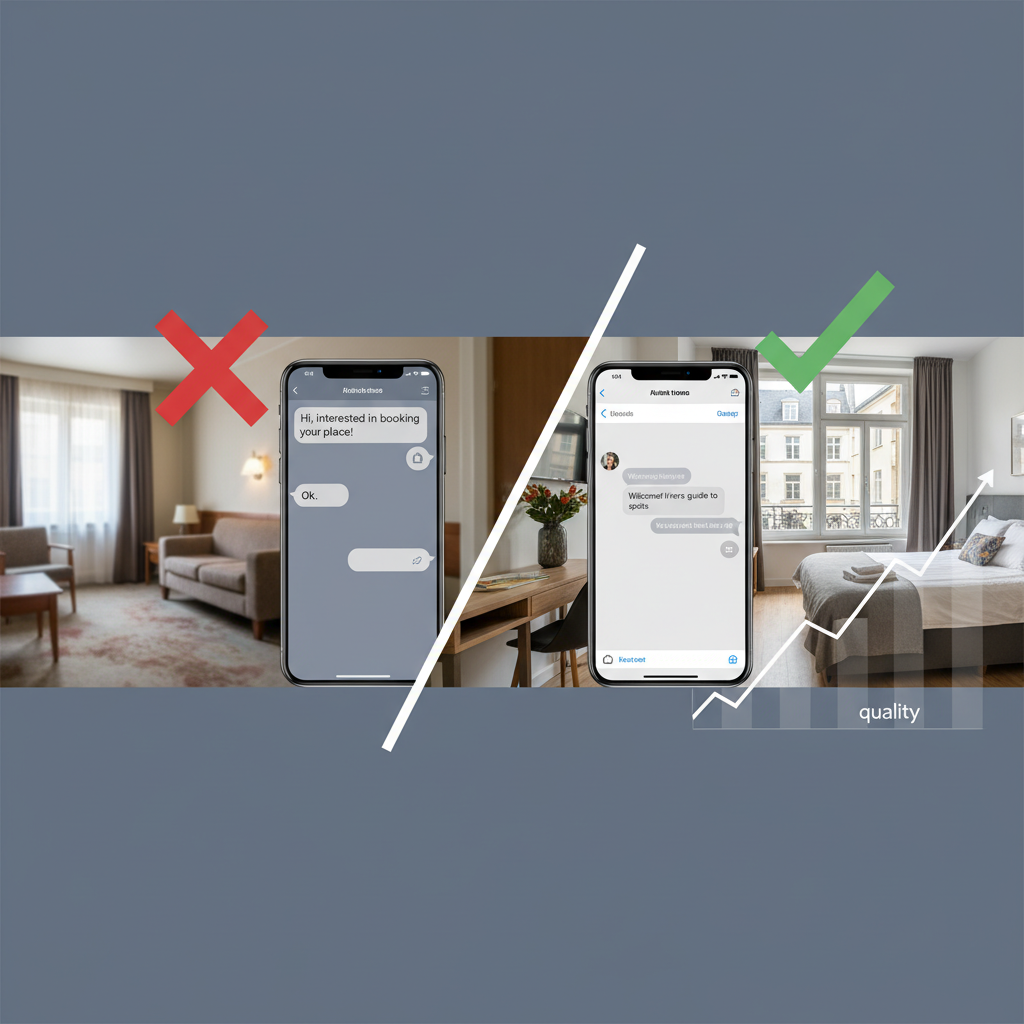
Booking the perfect Airbnb often feels like a guessing game based on photos and reviews alone. However, how hosts communicate before you book reveals more about property quality and your likely guest experience than filtered pictures or cherry-picked testimonials.
Host response patterns, message tone, and information sharing habits create a reliable preview of what awaits you. Smart travelers learn to read these communication signals early, avoiding disappointing stays and discovering exceptional hosts who go above and beyond.
Notice Response Time Patterns During Different Hours
Hosts who consistently respond within a few hours during reasonable local times demonstrate active property management. Pay attention to when they reply rather than just how quickly. A host answering messages at 2 AM might seem responsive, but could indicate poor boundaries that affect guest experience. Quality hosts typically respond during business hours and communicate their availability clearly. Delayed responses aren't always red flags, but hosts should acknowledge delays and explain their communication schedule upfront.
Analyze How Thoroughly They Answer Specific Questions
Test potential hosts with detailed questions about parking, WiFi speed, kitchen amenities, or neighborhood noise levels. Exceptional hosts provide comprehensive answers with specific details like "gigabit fiber internet with dedicated workspace" instead of just "good WiFi." Vague responses or ignored questions often predict disappointing reality versus expectations. Hosts who proactively address common concerns demonstrate experience and attention to guest needs. Properties in Brooklyn or Portland managed by detail-oriented hosts typically receive higher satisfaction ratings.
Evaluate Their Proactive Communication Style
Outstanding hosts share helpful information before you ask. They mention nearby grocery stores, public transportation options, parking challenges, or seasonal considerations affecting your stay. This proactive communication style indicates hosts who think from the guest perspective. They might recommend local restaurants, share door codes early, or provide arrival instructions automatically. Hosts who wait for you to request basic information often manage multiple properties with minimal personal attention to each booking.
Watch for Overly Rigid Rules and Policies
While reasonable house rules protect both parties, excessive restrictions often signal problematic hosts or problem properties. Be cautious of hosts demanding multiple security deposits, imposing unusual check-in procedures, or listing numerous threatening penalties. Well-managed properties typically have straightforward policies communicated respectfully. Hosts mentioning previous guest issues repeatedly might be difficult to work with themselves. Balance is key – no rules can indicate negligent hosts, while excessive rules suggest micromanagement.
Assess Their Local Knowledge and Enthusiasm
Hosts who share genuine local insights demonstrate personal investment in guest experiences. They recommend specific hiking trails near Santa Fe, mention farmers market days, or suggest avoiding certain subway lines during rush hour. Generic responses copied from guidebooks suggest distant property management or lack of local connection. Enthusiastic hosts often become valuable resources throughout your stay. Their passion for their city or neighborhood typically translates into well-maintained, thoughtfully equipped properties.
Review How They Handle Booking Logistics
Pay attention to how hosts manage payment schedules, cleaning fees, and booking confirmations. Professional hosts explain all costs upfront and provide clear timelines for check-in procedures. Red flags include requesting payments outside Airbnb's platform, changing terms after initial agreement, or providing conflicting information about fees. Reliable hosts send confirmation details, contact information, and arrival instructions systematically. Disorganized booking processes often predict chaotic property management and poor guest support.
Examine Their Response to Concerns or Modifications
Test how hosts handle minor changes like arrival time adjustments or questions about cancellation policies. Flexible, solution-oriented responses indicate hosts who prioritize guest satisfaction. Hosts who become defensive about property limitations or refuse reasonable accommodations often create stressful experiences. Notice whether they offer alternatives when your original request isn't possible. Customer service skills during booking conversations reliably predict how they'll handle issues during your actual stay.
Check Consistency Between Communications and Listing Details
Compare what hosts tell you directly with their written listing descriptions and photos. Discrepancies between private messages and public listings often reveal important details they'd rather downplay. Ask about amenities shown in photos to ensure they're still available and functional. Honest hosts acknowledge property limitations openly rather than hoping you won't notice upon arrival. Properties with significant differences between marketing and reality typically involve hosts who prioritize bookings over accurate representation.
As Airbnb continues evolving and more travelers recognize the value of pre-booking communication assessment, hosts will likely improve their responsiveness and transparency. Learning to evaluate these communication patterns now helps you consistently book better properties and build relationships with exceptional hosts who enhance rather than complicate your travel experiences.