How Reading Appliance Energy Star Ratings Against Local Utility Rates Reveals True 10-Year Ownership Costs
Jennifer Walsh
07/26/2026
5 min read
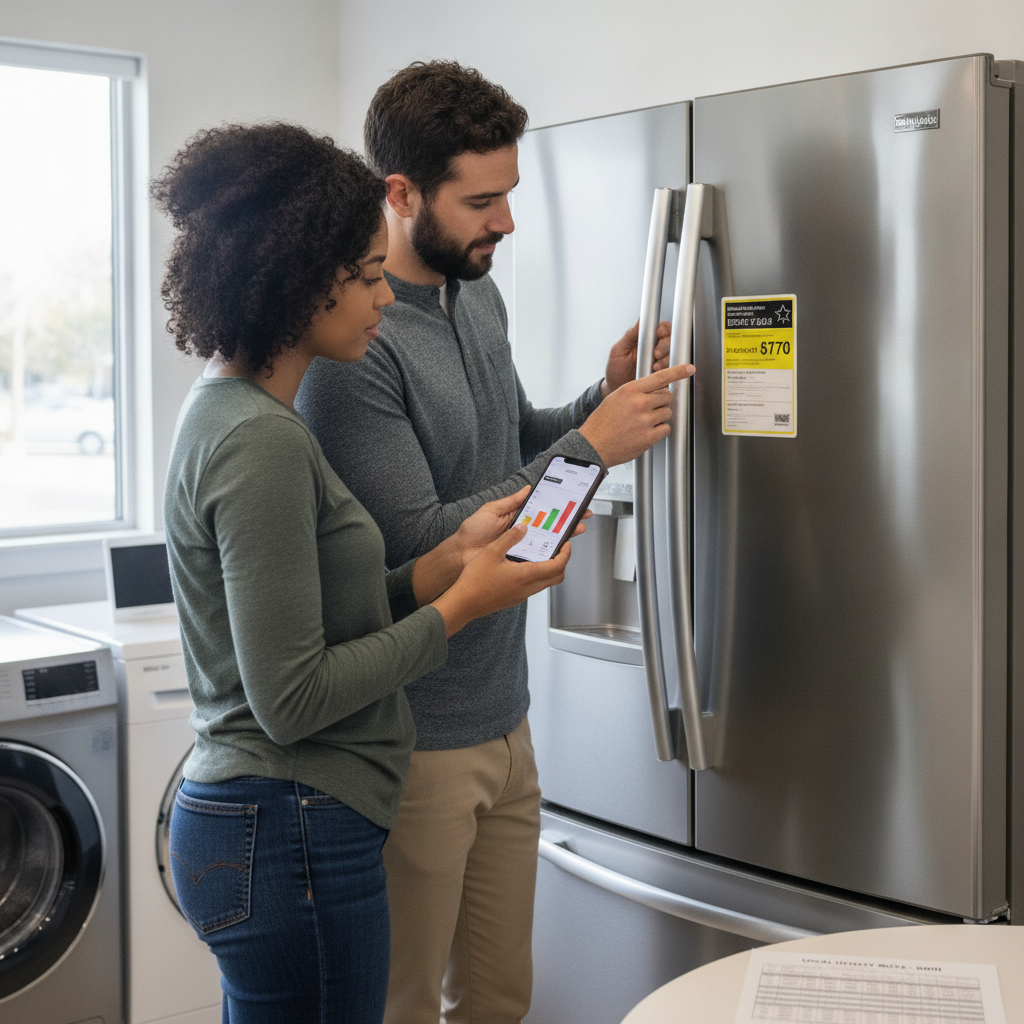
The sticker price on an appliance is really just the beginning of the conversation. What most shoppers skip — and what retailers have little incentive to highlight — is that a refrigerator, dishwasher, or washing machine will run in your home for a decade or more, quietly drawing electricity every single day. The real cost of ownership almost always looks different from the number on the tag.
Energy Star ratings give you a starting point, but they mean different things depending on where you live. A highly efficient appliance in Houston, where electricity rates are relatively low, may cost noticeably less to run than the same model in Boston or San Francisco, where rates per kilowatt-hour run significantly higher. Reading those ratings against your specific utility rate turns a vague efficiency label into an actual number you can compare at checkout.
Find Your Local Rate Before You Shop
Before stepping foot in a Best Buy or checking listings on Home Depot's site, pull up your most recent utility bill and locate your rate per kilowatt-hour. This number varies widely by state and even by utility provider within the same region. Some providers also charge tiered rates, meaning the more electricity you use, the higher your cost per unit. Knowing your rate upfront transforms every Energy Star label from a marketing badge into a real cost projection you can run at home.
Use the Yellow EnergyGuide Label as Your Starting Point
Every appliance sold in the U.S. carries a yellow EnergyGuide label that lists estimated annual energy consumption in kilowatt-hours. That number is calculated using a national average electricity rate — which probably doesn't match yours. The math to personalize it is straightforward: multiply the listed annual kilowatt-hours by your actual rate per kilowatt-hour, then multiply by ten. That gives you a rough ten-year operating cost estimate specific to your household. A fridge listed at 400 kWh annually will cost dramatically different amounts to run in Seattle versus Phoenix.
Compare Models Side by Side Using Real Numbers
Once you have your personalized operating cost, put two or three models side by side on paper or in a spreadsheet. A model from LG or Whirlpool might carry a higher upfront price but use significantly fewer kilowatt-hours annually than a budget alternative. When you spread that efficiency gap over ten years at your local rate, the premium model often comes out ahead — sometimes by a comfortable margin. Retailers display purchase price prominently because that's what drives the sale. Your job is to add the operating cost column they left out.
Factor in Appliance Category Differences
Not all appliances carry the same weight in this calculation. Refrigerators run continuously, so efficiency differences compound year after year. Dishwashers and washing machines run on demand, making usage habits a significant variable. A household that runs the dishwasher twice daily will see far more separation between efficient and inefficient models than one that runs it every other day. Understanding which appliances in your home are always-on versus usage-dependent helps you prioritize where efficiency ratings matter most and where the price premium for top-tier efficiency may not fully pay back.
Account for Water Heating Costs in Wet Appliances
Washing machines and dishwashers have a secondary cost that the electricity label alone won't capture: water heating. Models that use lower water temperatures or shorter heated cycles reduce your water heater's workload, which shows up on your gas or electric bill depending on how your water is heated. Energy Star certified washers from brands like Samsung and Electrolux typically use less hot water per cycle than standard models. When you're running numbers on ten-year ownership costs, factor in that a more efficient wash cycle isn't just about electricity — it's about every resource the appliance consumes.
Check Utility Rebate Programs Before You Buy
Many utility companies offer rebates for purchasing Energy Star certified appliances, and these can meaningfully shift the math. Programs vary by provider and change throughout the year, so it pays to check your utility's website or call before finalizing a purchase. Some states also offer additional incentives through energy efficiency programs. These rebates reduce your effective purchase price, which changes the payback calculation on a more expensive but more efficient model. The combination of a rebate plus lower annual operating costs can make the premium choice the obvious choice once you run the numbers.
Build a Simple Ownership Cost Comparison Sheet
A basic spreadsheet with four columns — purchase price, annual operating cost at your local rate, estimated ten-year operating cost, and total ten-year cost — will do more for your decision than any retailer comparison tool. Add a column for any available rebates. This doesn't need to be complicated: even a handwritten note at the store captures the information you need. Appliance purchases tend to happen quickly, often during a sale event or when something breaks unexpectedly. Having a simple framework ready means you won't default to sticker price comparison when the clock feels like it's ticking.
Revisit the Math When Rates Change
Utility rates don't stay fixed, and in many regions they've trended upward over time. If you're replacing an appliance that's still functioning but aging, modeling ten-year ownership costs based on current rates actually understates the long-run operating cost of a less efficient model. More efficient appliances provide a hedge against rising rates — each unit of electricity they don't consume is one you won't pay for regardless of where rates go. That's a real financial benefit that's easy to undervalue when you're focused on the immediate purchase price.
Taking twenty minutes to calculate true ownership costs before buying an appliance is one of the better returns on your time in personal finance. The tools are already on your utility bill and the EnergyGuide label — you just have to put them together. Start with your next purchase, even if it's something small, and the habit becomes second nature from there.