How Booking National Park Lodges Inside Park Boundaries 13 Months Ahead Secures Coveted Rooms While Slashing Transportation Costs
Jennifer Walsh
07/13/2026
5 min read
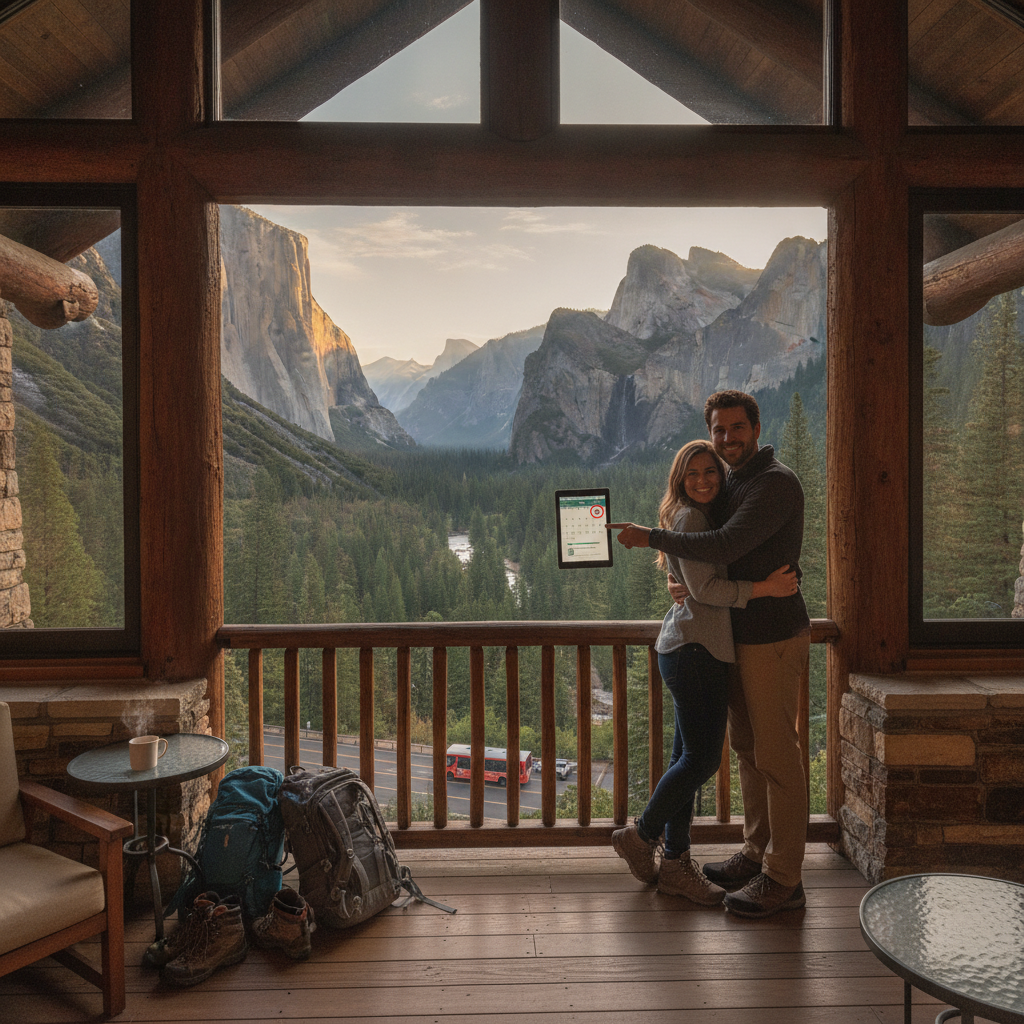
Staying inside a national park changes the entire experience — and the entire budget. When you sleep at the El Tovar Hotel on the South Rim of the Grand Canyon or wake up to a meadow view at Yosemite Valley Lodge, you're not just saving on gas and rental car hours. You're buying time inside the park itself, and that's something money can't easily replace once the coveted rooms are gone. The trick is knowing exactly how the reservation system works, because the window to secure these rooms is narrower than most people expect.
Why In-Park Lodging Changes the Math Entirely
Transportation to and from national parks adds up faster than most people budget for. Shuttle fees, parking permits, rental car mileage, and the time cost of long daily drives from off-site hotels are real expenses that compound over a multi-day trip. When you stay inside park boundaries at properties managed through Xanterra Travel Collection or Delaware North — the two major concessioners — those costs largely disappear. You walk out your door and into the park, which means earlier wildlife sightings, better light for photography, and far less time sitting in traffic on entrance roads.
The 13-Month Booking Window Is the Real Strategy
Most in-park lodges operated by national park concessioners open reservations exactly 13 months before the arrival date. That means if you want a room at the Old Faithful Inn in Yellowstone for late June, you need to be logged in and ready to book in early May of the prior year. The most popular rooms — corner rooms at the Old Faithful Inn, canyon-facing units at Crater Lake Lodge, and tent cabins at Curry Village in Yosemite — disappear within hours of opening. Setting a calendar reminder for 13 months out isn't obsessive; it's just how the system works.
Setting Up Accounts Before the Window Opens
Don't wait until the reservation window opens to create your account on recreation.gov or the specific concessioner's booking portal. Create your account weeks early, save your payment information, and know exactly which property and room type you're targeting. Some lodges have very specific room categories — lake view versus forest view at Lake McDonald Lodge in Glacier National Park, for example — and the price difference between categories can be meaningful. Knowing your preference in advance means you spend zero time deliberating when the booking window opens at midnight.
Choosing the Right Property for Your Budget
In-park lodging spans a wide price range, and the cheapest options often book just as fast as the premium ones. Tent cabins and basic lodge rooms at properties like Yosemite's Half Dome Village cost a fraction of what you'd pay for a private room, yet they still place you inside park boundaries with full access to trails and sunrise light. If the flagship historic lodge is beyond your budget, check whether the same park has a secondary property — many do. Grand Canyon National Park, for instance, has several lodging options along the South Rim at different price points, all managed through Xanterra.
Building Your Trip Around the Booking Date
Flexibility with your exact travel dates dramatically improves your chances of landing a room. Rather than deciding you want to visit Glacier in the second week of July and then trying to find lodging, approach it in reverse — check which dates have availability at your preferred property and build your itinerary from there. This sounds backward, but it's the mindset that actually works for in-park reservations. Midweek openings are often slightly easier to land than weekend dates, and shoulder-season dates in late May or early September frequently have better availability at lower nightly rates.
Stacking Transportation Savings on Top of Lodging Access
Once you're booked inside the park, lean into the free shuttle systems that most major parks operate during peak season. Yosemite's Valley Shuttle, Zion's mandatory shuttle service, and Acadia's Island Explorer bus network are all free to use and eliminate the need for a car inside park boundaries entirely. Travelers staying at in-park lodges often discover they can downsize to a smaller rental car or skip the rental altogether for part of the trip. The lodging investment frequently pays back a portion of its premium through eliminated transportation costs that off-site visitors can't avoid.
Monitoring Cancellations After the Window Closes
If you miss the initial 13-month booking rush, all is not lost. Cancellations happen regularly as travel plans change, and recreation.gov allows you to monitor availability on specific dates. Setting up alerts or checking back frequently in the weeks leading up to your trip — especially 30 to 60 days out when non-refundable deadlines hit — can surface rooms that were previously unavailable. Some travelers book a backup off-site hotel while monitoring for cancellations, then cancel the backup once they secure the in-park option they actually wanted.
What to Watch for as Park Lodging Systems Evolve
National park lodging reservations have been trending toward even higher demand as interest in domestic travel continues to grow. Several parks have been experimenting with timed entry permits layered on top of lodging reservations, which means in-park guests may receive guaranteed entry passes as part of their booking — a significant advantage when day-visitor entry is restricted. Staying current with park-specific policy changes through the National Park Service website before your planning season begins will help you understand any new rules that affect how and when to book. The 13-month window remains the single most reliable strategy available right now, and using it well is the clearest path to the experience most travelers only wish they'd planned for.