How Credit Card Minimum Payment Calculations Keep You in Debt and Strategic Payment Schedules That Eliminate Balances Years Faster
Marcus Chen
06/26/2026
5 min read
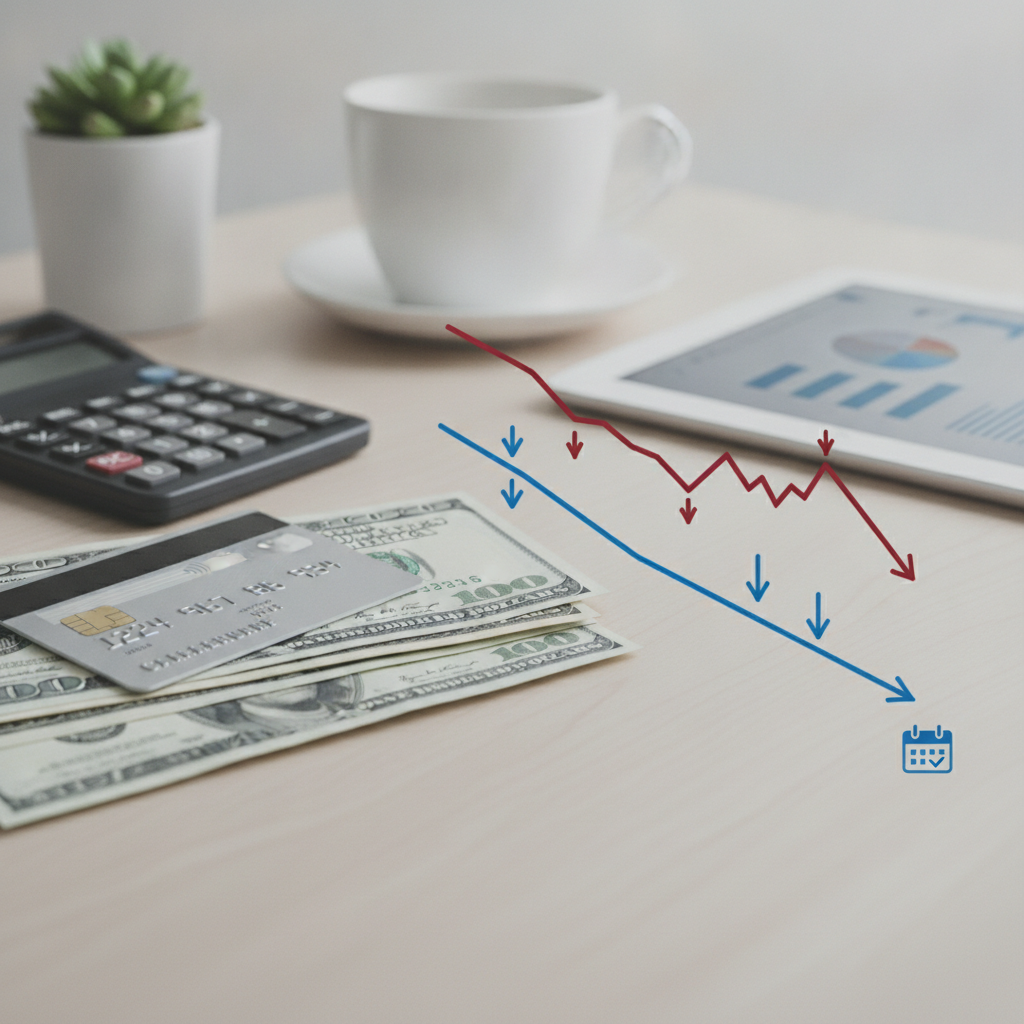
Credit card minimum payments are designed to keep balances alive, not eliminate them. If you've been making the minimum payment on a card every month and watching the balance barely budge, you're experiencing exactly what the system is built to produce. Understanding how these calculations work — and what to do instead — can mean the difference between carrying debt for a decade and clearing it in a fraction of the time.
Most issuers calculate your minimum as either a flat amount (often around $25–$35) or a small percentage of your outstanding balance, whichever is greater. Because that percentage-based figure shrinks as your balance shrinks, you end up in a slow-motion payoff cycle where most of your payment covers interest and almost nothing chips away at principal. That structure benefits the lender, not you.
Understand How Minimum Payment Formulas Actually Work
Card issuers like Chase, Citi, and Capital One each use slightly different formulas, but the logic is consistent: the minimum is calculated as a percentage of the current balance plus any fees and interest accrued. Early in a balance's life, this feels manageable. But because the balance drops slowly, so does the minimum — keeping monthly obligations low while extending the repayment window dramatically. A balance that could be cleared in two years with fixed payments might drag on for eight or more if you only pay the minimum each month.
Calculate What a Fixed Payment Actually Does
The most practical shift you can make is treating your credit card like an installment loan. Decide on a fixed monthly payment based on what you can realistically afford — one that's meaningfully higher than the current minimum — and commit to it regardless of what the statement says your minimum is. Free calculators from tools like Undebt.it or Bankrate let you model exactly how long payoff takes under different payment amounts. Running these numbers yourself often produces a sobering but clarifying moment about how much the interest is costing you.
Target the Highest-Rate Balance First
If you're carrying balances across multiple cards, the sequence of payoff matters. Directing every extra dollar toward the card with the highest annual percentage rate reduces the total interest you pay over the life of your debt. While other cards receive their fixed minimum payments, that high-rate balance takes the full force of your available cash flow. Once it's gone, that payment amount rolls into the next card. This approach is mathematically optimal and accelerates the whole timeline without requiring any increase in total monthly spending.
Make Biweekly Payments Instead of Monthly
Switching from one monthly payment to two smaller payments every two weeks is a structural trick that reduces your average daily balance — and since most issuers compound interest daily, a lower average daily balance means less interest accrues. This approach also results in 26 half-payments per year instead of 12 full ones, which quietly adds one extra full payment annually. That extra payment alone can shave months off a multi-year payoff timeline without requiring you to change your spending habits at all.
Pay Right After a Purchase, Not at Statement Close
Most cardholders wait for the statement to arrive and pay once monthly. A more effective habit is paying down purchases within days of making them, before interest has time to compound on that new charge. This is especially important for people who use rewards cards like the Chase Sapphire Preferred or an American Express cash-back card for regular expenses. The rewards are only worthwhile if the balance doesn't carry forward. Treating the card like a debit card — paying balances frequently rather than letting them accumulate — keeps interest from eroding any benefit those rewards provide.
Negotiate a Lower APR Before Increasing Payments
Before aggressively paying down a balance, a brief phone call to your card issuer is worth your time. Cardholders with a history of on-time payments often qualify for a rate reduction simply by asking. Even a few percentage points lower means a greater share of each payment goes to principal rather than interest. This doesn't work for everyone, but it works often enough that skipping the call is leaving money on the table. If the issuer won't negotiate, that's useful information too — it may signal that a balance transfer to a lower-rate card deserves a closer look.
Build a Payoff Calendar and Assign Every Debt a Target Date
Vague intentions to pay off debt "eventually" almost always yield slower results than a written schedule. Assigning each balance a specific target payoff date — and working backward to determine what monthly payment achieves that date — creates a concrete framework rather than an open-ended obligation. Apps like Tally or a simple spreadsheet work equally well for this. When each balance has a deadline, payments feel purposeful rather than routine, and it's much easier to stay committed when the endpoint is visible.
Use Windfalls as Lump-Sum Principal Payments
Tax refunds, work bonuses, or any unexpected cash infusion have an outsized impact when applied directly to a credit card balance. Because issuers compound interest on the remaining principal, reducing that principal with a lump sum compresses every future interest charge. A windfall that might otherwise get absorbed into general spending can instead eliminate months or years of slow-drip payments. The psychological effect is significant too — seeing a balance drop sharply reinforces the habit of treating debt reduction as a priority rather than a background obligation.
Credit card debt won't get structurally easier to carry as interest rate environments remain elevated. What will change is the availability of tools that make repayment more systematic — from apps that automate biweekly payments to AI-driven budgeting platforms that flag when minimum-only payments are extending your payoff timeline unnecessarily. The cardholders who build consistent, strategy-driven payment habits now will be far better positioned as those tools evolve. The mechanics of debt are predictable, which means the path out of it is too.