How Eating Fermented Foods Daily Reshapes Gut Microbiome Diversity and Reduces Systemic Inflammation Within Three Weeks
Amanda Foster
06/28/2026
4 min read
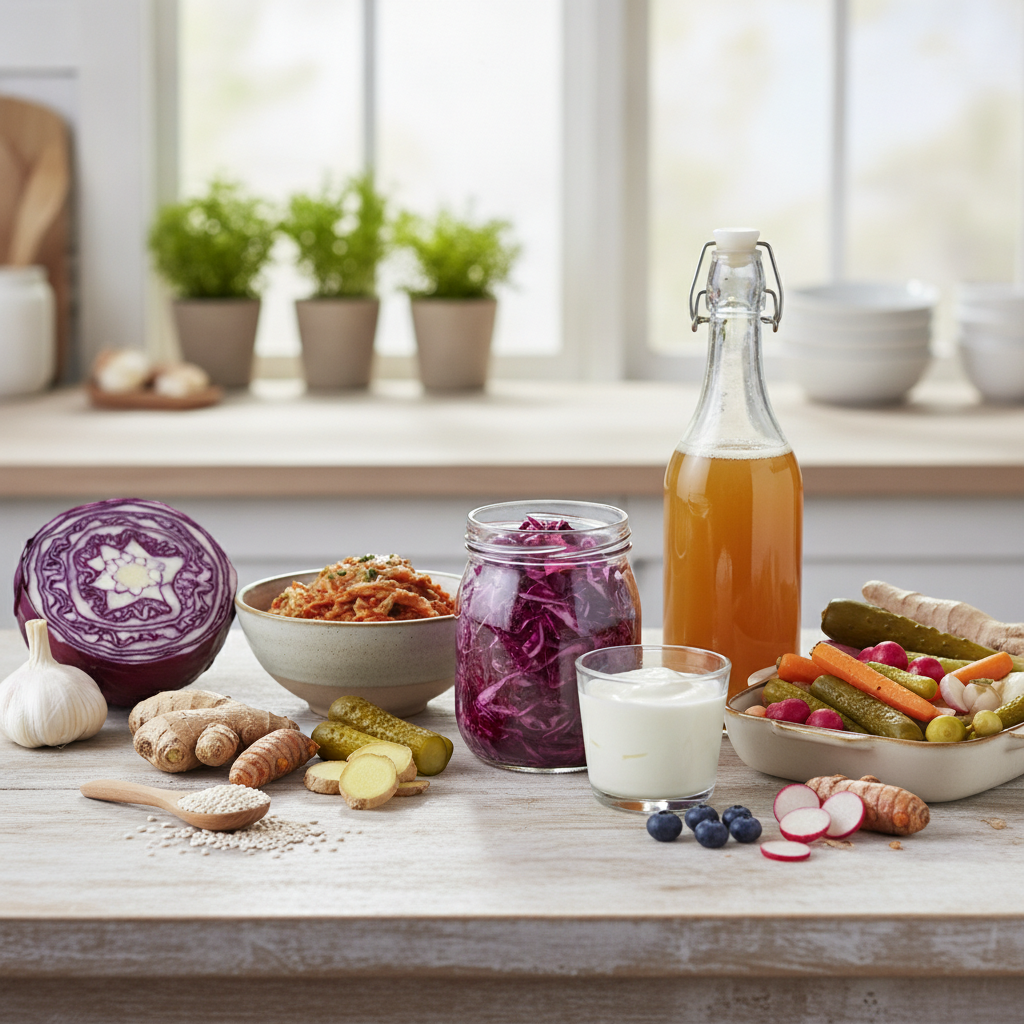
The human gut hosts trillions of microorganisms that collectively influence everything from immune response and mood regulation to metabolic efficiency and chronic disease risk. When that microbial community loses diversity — through antibiotic use, processed food diets, or chronic stress — the consequences ripple outward into the entire body in ways that researchers are only beginning to fully map. Fermented foods, which have sustained human health across cultures for centuries, are now drawing serious attention for their measurable ability to restore that diversity and quiet the low-grade systemic inflammation that underlies so many modern health conditions.
The Science of Fermentation and Microbial Restoration
Fermentation is a metabolic process in which bacteria, yeasts, or other microorganisms convert sugars and starches into acids, gases, or alcohol. The result is a food that not only preserves well but also carries live microbial cultures directly into the digestive tract. When consumed consistently, these cultures compete with less beneficial microbes, produce short-chain fatty acids that nourish intestinal lining cells, and appear to seed the gut with strains that support immune signaling. The effect is cumulative — sporadic intake produces little lasting change, but daily consumption begins shifting microbial populations within the first one to two weeks in ways that are detectable through stool analysis.
Why Systemic Inflammation Responds So Quickly
Chronic low-grade inflammation — the kind linked to cardiovascular disease, metabolic syndrome, and autoimmune conditions — often originates in part from a compromised gut lining. When intestinal permeability increases, bacterial fragments known as lipopolysaccharides enter the bloodstream and trigger immune activation throughout the body. Fermented foods appear to address this at the source by strengthening tight-junction proteins in the gut wall and reducing the translocation of inflammatory particles. The timeline for measurable improvement is shorter than many expect: immune markers associated with systemic inflammation often begin shifting within three weeks of consistent fermented food intake, particularly when the dietary change replaces processed or ultra-refined foods.
Fermented Foods Worth Adding to a Daily Routine
Not all fermented products deliver equal microbial benefit. Pasteurization kills live cultures, which means shelf-stable sauerkraut or pickles in standard grocery aisles contain no active bacteria. The most effective options are those found refrigerated and labeled with live or active cultures. Plain whole-milk yogurt from brands like Stonyfield or Straus Family Creamery, raw milk kefir, unpasteurized kimchi from brands such as Wildbrine, traditionally brewed kombucha like GT's Synergy, and naturally fermented miso all qualify. Variety matters as much as volume — rotating between several different fermented sources introduces a broader range of bacterial strains than relying on a single product daily.
How Microbiome Diversity Translates Into Broader Health Benefits
A diverse gut microbiome functions like a resilient ecosystem — when one species is disrupted, others compensate. Greater diversity correlates with more stable blood sugar regulation, more efficient nutrient absorption, stronger immune defense against pathogens, and even clearer cognitive performance through the well-documented gut-brain axis. People who consume fermented foods regularly tend to show higher populations of bacteria in the Lactobacillus and Bifidobacterium families, which produce compounds that actively suppress inflammatory pathways. These changes don't require pharmaceutical intervention; they respond to consistent, food-based input over time, which is what makes the three-week window both realistic and meaningful for most people.
Common Mistakes That Undermine Fermented Food Benefits
Introducing fermented foods too aggressively is one of the most frequent missteps. When the gut microbiome is accustomed to a low-fiber, low-probiotic diet, a sudden influx of live cultures can trigger bloating, gas, and digestive discomfort that discourages continuation. Starting with small portions — a few tablespoons of yogurt or a quarter-cup of kefir — and building gradually over one to two weeks allows the microbial community to adjust without distress. Equally important is what accompanies the fermented food. A diet high in added sugars and refined carbohydrates actively feeds pathogenic bacterial strains, counteracting the benefit of any live cultures consumed alongside them. Fiber from vegetables and whole grains acts as a prebiotic, feeding the beneficial bacteria that fermented foods introduce.
Building a Sustainable Fermented Food Practice
Consistency, rather than quantity, determines outcome when it comes to reshaping microbial diversity. You don't need large servings or specialty supplements — a single daily portion of a quality fermented food, rotated every few days to introduce different strains, is a practical and sustainable starting point. If plain yogurt feels monotonous, stirring it into smoothies, spreading miso onto roasted vegetables, or using kefir in salad dressings makes the habit easier to maintain. Kimchi folds naturally into grain bowls or scrambled eggs, and kombucha replaces sodas without requiring any additional preparation. The goal is to make fermented food a background habit rather than a deliberate effort — something that happens automatically within meals already being prepared.
As the field of microbiome research continues to expand, the connection between fermented food intake, microbial diversity, and systemic inflammation is becoming one of the clearest examples of how everyday dietary choices influence long-term health at a biological level. Emerging research is beginning to map which specific bacterial strains address which inflammatory pathways, pointing toward increasingly personalized fermented food recommendations in the years ahead. For now, the evidence supports a simple and accessible starting point: incorporate live, varied fermented foods into daily eating, give the process at least three weeks of genuine consistency, and allow the body's own microbial community to do the rest of the work.