How Morning Sunlight Through Different Window Types Affects Vitamin D Production and Seasonal Mood Regulation
Marcus Chen
05/03/2026
4 min read
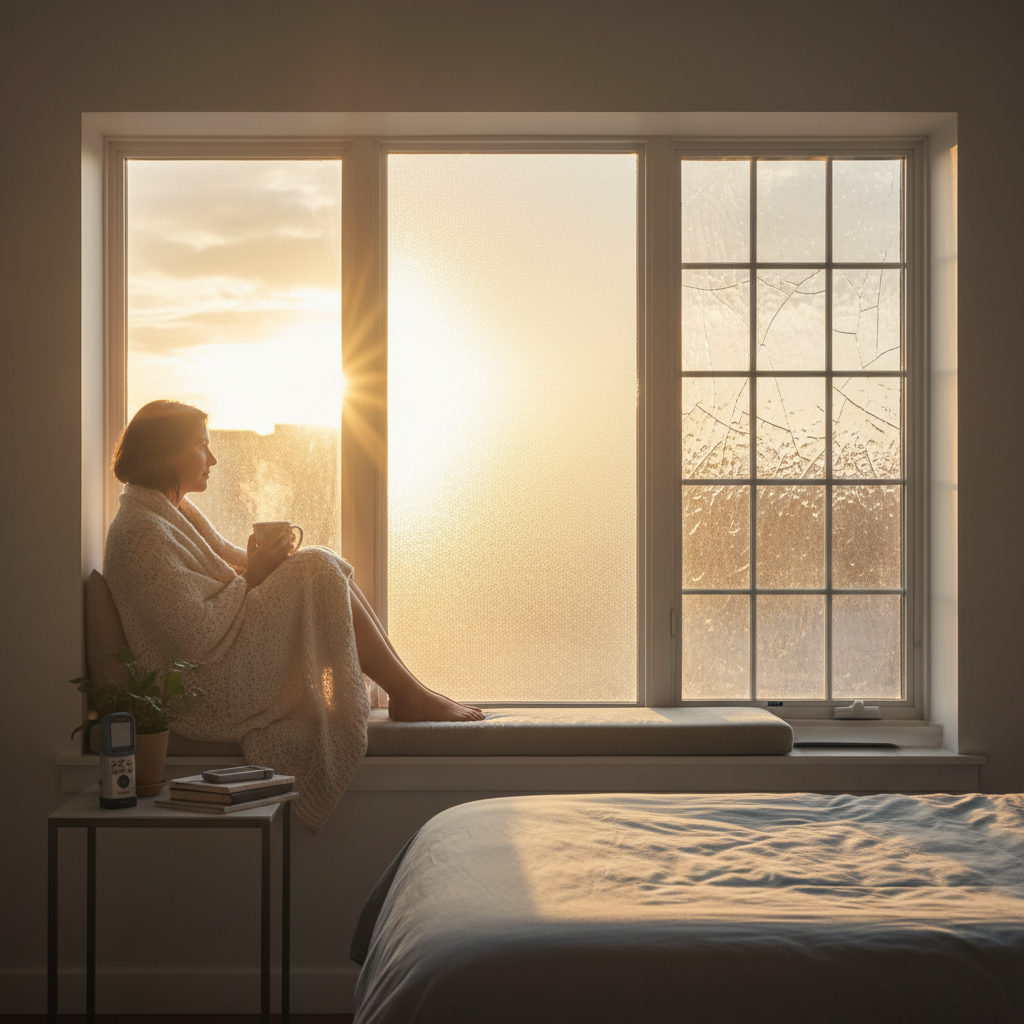
You wake up each morning hoping to catch some natural light, but the view through your windows might not be delivering the health benefits you expect. The type of glass between you and the sun makes a dramatic difference in how much vitamin D your body can produce and how effectively you can maintain stable energy levels throughout darker months.
Different window materials filter ultraviolet light in unique ways, affecting everything from your circadian rhythm to your body's ability to synthesize essential nutrients. Understanding these differences helps you optimize your daily light exposure without stepping outside.
Choose South-Facing Windows for Maximum UVB Exposure
South-facing windows receive the most direct sunlight throughout the day, making them ideal for vitamin D synthesis. Standard clear glass blocks most UVB rays needed for vitamin D production, but it allows beneficial UVA light that helps regulate circadian rhythms. Position yourself within three feet of these windows during morning hours when the sun's angle provides optimal light intensity. Companies like Andersen and Pella manufacture low-E glass that reduces UV transmission even further, so older windows often provide better vitamin D potential.
Replace Standard Glass with UV-Transmitting Alternatives
Specialized UV-transmitting glass allows up to 75% of beneficial ultraviolet rays to pass through, compared to less than 10% with standard windows. Brands like Pilkington produce Activ glass specifically designed for therapeutic light transmission. These windows cost significantly more than standard options but can provide meaningful vitamin D synthesis during winter months when outdoor exposure becomes limited. The investment pays off through reduced need for supplements and improved seasonal mood regulation.
Time Your Window Exposure Between 10 AM and 2 PM
The sun's position between late morning and early afternoon provides the strongest UVB radiation for vitamin D production, even through glass barriers. During these peak hours, even filtered sunlight through standard windows can help maintain your circadian rhythm and support mood regulation. Spend at least 15-20 minutes near your brightest windows during this timeframe. Winter months require longer exposure periods as the sun's angle reduces light intensity significantly.
Consider Window Film Removal for Better Light Transmission
Many homes feature UV-blocking window films that were installed for furniture protection or energy efficiency. These films can block up to 99% of ultraviolet light, eliminating any potential for vitamin D synthesis through windows. Professional removal typically costs between $2-5 per square foot through companies like 3M or Solar Gard. Removing film from one or two strategic windows creates dedicated spaces for therapeutic light exposure while maintaining protection on other windows.
Use Skylights and Sun Tunnels as Natural Light Amplifiers
Skylight installations capture sunlight at optimal angles throughout the day, providing more consistent exposure than vertical windows. Brands like Velux offer skylights with specialized glazing that balances UV transmission with energy efficiency. Sun tunnels from companies like Solatube direct natural light into interior spaces that lack window access. These installations require professional setup but deliver year-round benefits for vitamin D production and mood regulation.
Track Seasonal Changes in Window Light Quality
Sun angle changes throughout the year affect how much beneficial light reaches your windows. Winter positioning requires you to sit closer to glass surfaces for equivalent exposure to summer months. Keep a simple log of your energy levels and mood changes relative to your window exposure habits. Apps like Sun Surveyor help track optimal sun positioning for your specific location and window orientation throughout different seasons.
Combine Window Exposure with Reflective Surfaces
Light-colored walls and mirrors near windows amplify available natural light, increasing your total exposure without requiring direct sun contact. Position reflective surfaces at angles that bounce morning sunlight deeper into your living space. This technique proves especially valuable during winter months when direct sunlight becomes scarce. Strategic placement of mirrors can double your effective light exposure during peak vitamin D synthesis hours.
Supplement Window Light with Full-Spectrum Lamps
When window exposure proves insufficient during darker months, full-spectrum light therapy lamps provide targeted UV exposure for vitamin D synthesis. Brands like Sperti manufacture FDA-cleared devices specifically for vitamin D production. These lamps complement natural window light rather than replacing it entirely. Use them for 5-10 minutes daily during periods when window exposure falls short of your body's needs.
Window technology continues advancing with smart glass options that adjust UV transmission based on time of day and season. These innovations promise more precise control over therapeutic light exposure while maintaining energy efficiency and comfort throughout your home.