Slovenia's Lake Bled in Early Spring Draws Almost No Visitors While the Alps Still Hold Their Winter Snow
Marcus Chen
07/29/2026
6 min read
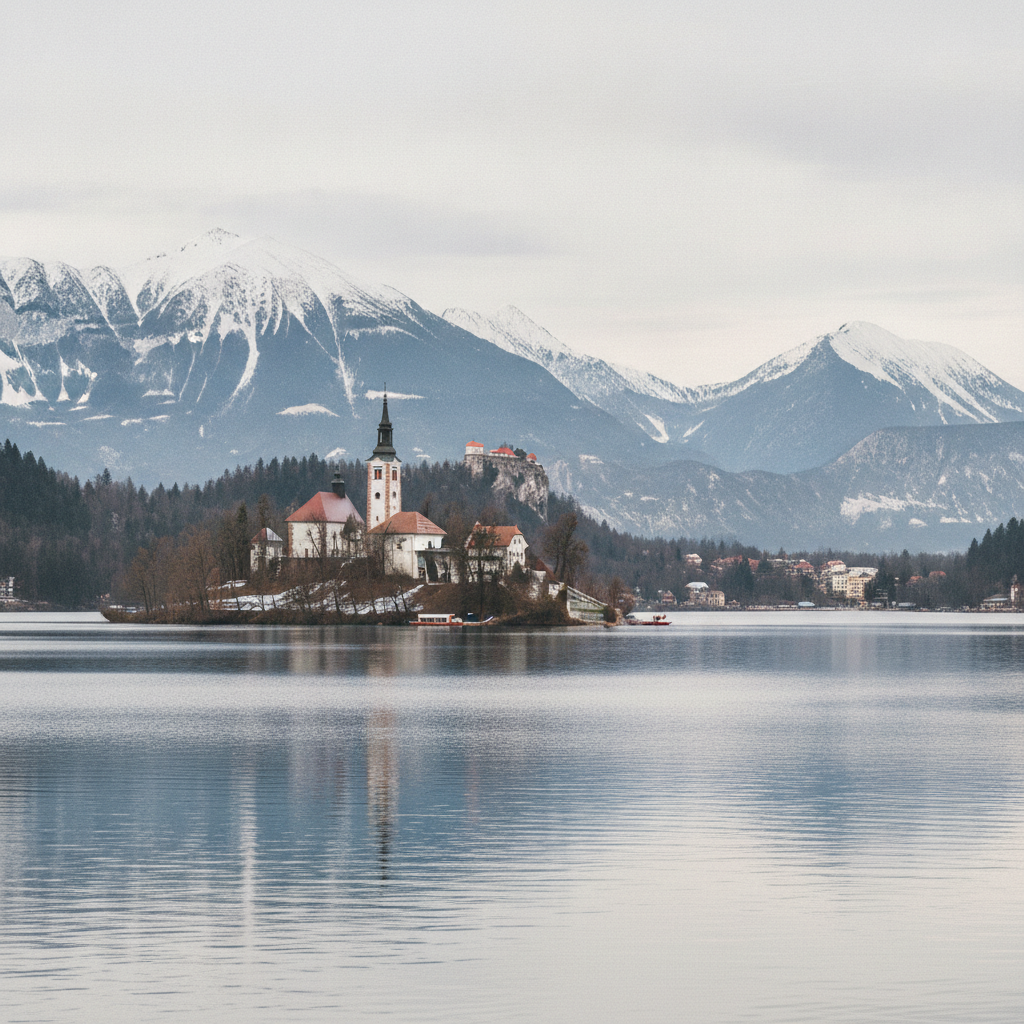
There are places in Europe so casually beautiful that photographs of them feel like overstatements. Lake Bled is one of them — a glacial lake ringed by the Julian Alps, centered on a small island church, and watched over by a medieval castle perched on a cliff. In July and August, the walking paths around its shore fill with tour groups and selfie sticks. But in early spring, when the Alps are still draped in snow and the tourist calendar hasn't yet turned over, the lake belongs almost entirely to the people willing to visit before the crowds arrive.
What Makes Early Spring the Right Window for Bled?
The shoulder season at Lake Bled roughly spans late February through mid-April, with March offering the most compelling combination of conditions. Snowcapped peaks reflect off the still, turquoise surface of the lake, creating a visual contrast that summer visitors simply don't get. Temperatures hover in the mid-40s to low-50s Fahrenheit — cool enough to require a proper jacket but entirely comfortable for walking. The famous 6-kilometer circular path around the lake takes about 90 minutes at a relaxed pace, and on a weekday morning in March, you can complete the entire loop without passing more than a handful of other walkers.
The island church, Церква Marijinega vnebovzetja — known informally as the Church of the Assumption — is reachable by traditional wooden rowboats called pletnas. During summer, pletna queues can stretch long. In early spring, you may find yourself the only passengers on the crossing, with the ferryman having time to talk and the church interior feeling genuinely contemplative rather than like a managed tourist stop.
How Does Bled Compare to Other Alpine Destinations in March?
Most travelers default to Switzerland or Austria when they think of Alpine spring trips, and the result is predictable: scenic, expensive, and busy around the popular towns. Slovenia operates on a different scale entirely. The country is small, the infrastructure is excellent, and the price of accommodation, meals, and activities sits noticeably below what you'd spend in Grindelwald or Innsbruck. A guesthouse with lake views that would cost significantly more in a comparable Swiss setting can be found in Bled for a fraction of the price, particularly when booked directly rather than through aggregator platforms.
The Julian Alps that frame Bled are part of the same range that extends into Austria and Italy, so the scenery holds its own against more famous comparisons. Triglav National Park begins just beyond the lake's western shore, and early spring brings the chance to see the park before summer hiking season opens — quieter trails, cleaner air, and a sense of having arrived before the rest of the world figured it out.
Where Should You Stay and How Should You Book?
Bled's accommodation options range from family-run guesthouses near the lake to a handful of larger hotels on the hillside. For early spring visits, the advantage sits firmly with smaller properties — they're often more willing to hold rooms at reasonable rates outside peak season, and many offer flexible check-in arrangements that suit travelers arriving by train or bus from Ljubljana.
When researching options, tools like Google Maps and Booking.com both allow filtering by review recency, which matters for a destination like Bled where small guesthouses open and close seasonally. Reading reviews from March and April visitors specifically will give you a more accurate picture of spring conditions than summer reviews written during peak operation. For the broader trip, Rome2rio is genuinely useful for planning transportation between Ljubljana's main station and Bled, since the bus and train connections aren't always obvious from standard search tools.
What Activities Reward Early Spring Timing?
Beyond the lake walk and island crossing, early spring opens a specific set of experiences that summer visitors miss. The Vintgar Gorge, a roughly 1.6-kilometer wooden boardwalk pathway carved through a narrow river gorge about 4 kilometers from Bled, is one of Slovenia's most striking natural features. In summer it's crowded; in early spring it's nearly empty, and the Radovna River running through it often carries more water from snowmelt, giving the gorge an almost theatrical energy.
Bled Castle sits 130 meters above the lake on a cliff that provides perhaps the best vantage point in the region. The castle itself houses a small museum and a restaurant where the views are part of the meal. On clear March mornings, the panorama stretches across the lake to snow-covered peaks, and the light at that time of year sits at an angle that makes photography almost effortless. The castle opens earlier in the day during shoulder season, and the absence of tour bus arrivals makes the experience feel more personal than it would in high summer.
How Do You Get There Without Overcrowplicating the Trip?
Slovenia is straightforward to reach from most of Western Europe. Ljubljana's Jože Pučnik Airport receives direct flights from a growing number of European cities, and from Ljubljana, Bled is about an hour by bus or car. The drive along Route 637 through the Sava Valley is pleasant in its own right, especially when the hillsides still carry late-season snow.
For travelers already exploring Central Europe, Bled works well as a leg of a longer journey. It sits within manageable distance of Venice, Vienna, and Zagreb, making it a natural addition to a multi-country trip rather than a standalone destination requiring a dedicated flight. Flixbus connects Ljubljana to several regional cities at low cost, and car rental from Ljubljana allows for easy detours into Triglav National Park or across the Italian border into Friuli.
What Should You Watch for as the Season Progresses?
The early spring window at Bled closes quickly. By late April, group tour operators begin their seasonal routes, accommodation prices climb, and the circular path around the lake shifts from contemplative to crowded. The snow on the peaks starts to retreat in April, which removes one of the defining visual elements of a March visit. Travelers who prioritize both scenery and solitude will find the first three weeks of March to be the most reliable window, with the caveat that weather can shift quickly at this elevation and a waterproof layer is always worth packing.
Slovenia's tourism profile has been rising steadily as travelers look for alternatives to overcrowded European destinations. Bled in particular has appeared more frequently in travel press over the past few years, which means the shoulder season advantage — still very real today — may narrow over time. For now, early spring remains one of the cleaner examples of a world-class destination that rewards timing over budget, offering a version of itself that the summer crowds simply never see. The lake will be there regardless of when you go. The quiet won't last forever.