How Tool Rental Programs at Hardware Chains Eliminate One-Time Purchase Costs for Home Projects You Only Do Once
Jennifer Walsh
07/30/2026
5 min read
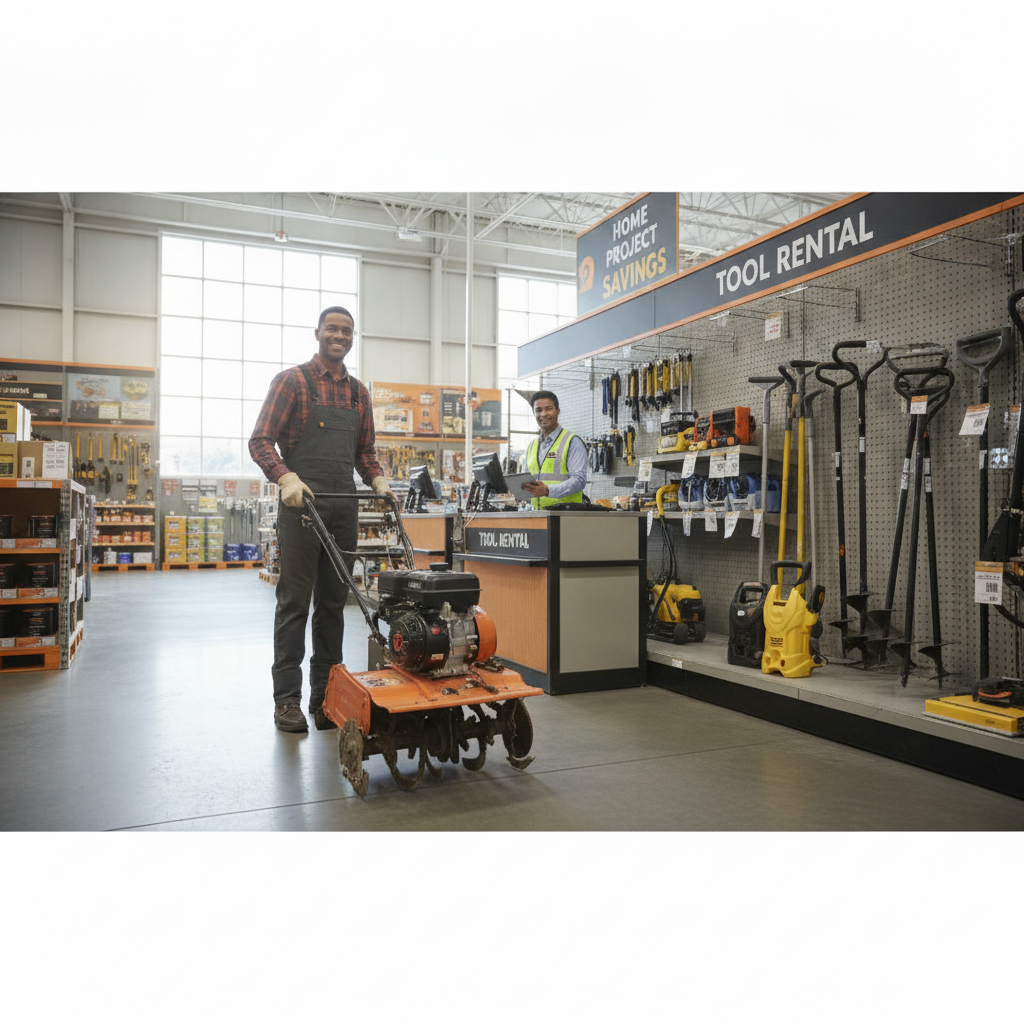
Buying a tool you'll use exactly once is one of the quietest ways to overspend on a home project. Most homeowners don't think twice about tossing a tile saw or a floor sander into the cart at Home Depot, paying full retail, finishing the job, and then storing that equipment in a garage for the next decade. Tool rental programs exist specifically to solve this problem, and they're more accessible, affordable, and flexible than most people realize.
What Do Hardware Chain Rental Programs Actually Offer?
Home Depot, Lowe's, and Menards all operate in-store tool rental departments that stock everything from basic equipment like power washers and carpet cleaners to heavy machinery like concrete mixers, air compressors, and scissor lifts. Rental periods are typically structured by the hour, half-day, full day, or week, which gives you flexibility based on how long the project actually takes. The inventory varies by location, so checking availability online or calling ahead before you plan your project weekend saves a frustrating trip.
How Does Renting Compare to Buying on a Per-Use Basis?
The math heavily favors renting when a tool serves a single purpose on a single project. A quality floor sander can cost several hundred dollars to purchase, while renting one for a weekend at Home Depot typically runs a fraction of that. Even mid-range tools like tile saws, drywall lifts, or oscillating multi-tools that you might buy at a moderate price point represent pure waste if they sit unused after one job. Renting redirects that money back into the project itself — better materials, better finishes, better results.
What Types of Projects Benefit Most From Renting?
Any project that requires specialized equipment for a defined, short window is the sweet spot. Refinishing hardwood floors, laying tile in a bathroom, jackhammering old concrete, aerating a lawn, or hanging drywall across a large ceiling all fall into this category. These aren't tasks most homeowners repeat every year. Renting a drywall lift, for example, makes a genuinely awkward solo job manageable without buying something that takes up wall space in your garage indefinitely. The one-time nature of these tasks is precisely why rental programs were designed for them.
How Do Rental Agreements and Deposits Work?
Most hardware chain rentals require a credit card hold for a security deposit, which is released when you return the equipment undamaged and on time. The rental contract outlines your liability for damage, and many stores offer optional damage waivers for a small additional fee — worth considering for expensive or delicate machinery. Reading the return time carefully matters here. A "day" rental at Home Depot typically means the equipment must be back by a specific cutoff, not 24 hours from pickup, so confirming those terms upfront prevents unexpected extra charges.
Can You Rent Specialty Tools Not Available at General Hardware Stores?
Beyond the big chains, regional rental companies like Sunbelt Rentals and United Rentals carry industrial and specialty equipment that general hardware stores don't stock. These include things like trenching machines, boom lifts, and heavy-duty generators. For larger projects — putting in an irrigation system, clearing land before a backyard project, or running temporary power during a renovation — these specialty rental outfits fill the gap. Their pricing is higher per day, but it still compares favorably to purchasing equipment that would otherwise sit idle.
What Hidden Savings Come With Renting Instead of Buying?
The obvious savings is the purchase price, but renting eliminates several less-visible costs too. You don't pay for storage space, maintenance, blade replacements, battery replacements, or depreciation. Tools that sit unused in humid garages corrode, degrade, and eventually stop working — meaning the tool you bought "just in case" may not even function when you need it again. Renting guarantees you get professionally maintained equipment in working condition, which also reduces the chance that a project gets derailed halfway through by a tool failure.
How Should You Plan a Project Around a Rental Window?
The biggest mistake people make with rentals is underestimating how long a job takes and running out of time on a day rental. Before picking up any equipment, have materials staged, the workspace prepped, and a clear sequence of steps mapped out. If you're renting a tile saw, for instance, have your tile cut list calculated and your layout marked before the rental clock starts. A half-day of prep work done the evening before turns a frantic rental day into a focused, efficient one. Calling the store to confirm pickup times and return windows lets you plan without guessing.
Are There Membership or Loyalty Perks That Reduce Rental Costs?
Home Depot's Pro Xtra loyalty program and Lowe's MyLowe's Rewards both offer occasional discounts on rental services for members. These programs are free to join, and while rental discounts aren't always advertised prominently, checking for member pricing before booking takes only a moment. Some locations also run promotional rental pricing around holiday weekends when home improvement projects peak — though availability can be tighter during those windows. Signing up for store emails often surfaces those deals a few days before they go live, which gives you time to plan your project timing accordingly.
Tool rental programs represent one of the most overlooked money-saving strategies in home improvement. Instead of filling garages with single-use equipment, renting from chains like Home Depot or Lowe's — or specialty outfits like Sunbelt Rentals for larger jobs — keeps project costs focused on materials and outcomes rather than tool ownership. For the projects you only do once, paying for access beats paying for possession every time.