Advanced Solo Female Travel Safety Strategies Beyond Standard Precautions
Michael Thompson
02/26/2026
4 min read
The usual solo female travel advice covers sharing itineraries and trusting your instincts, but seasoned travelers develop subtler safety strategies that go far beyond these basics. These advanced techniques focus on blending in naturally, managing information strategically, and creating multiple safety nets without appearing paranoid or overly cautious.
Master the Art of Strategic Misdirection
You don't need to lie outright, but controlling information flow protects you in unexpected ways. When chatting with fellow travelers or locals, mention a travel companion who's "back at the hotel" or "meeting you later." This creates the impression that someone expects to see you soon. Similarly, when checking into accommodations, casually reference your "friend who's arriving tomorrow" even if you're staying alone. Hotel staff naturally provide better attention to guests they perceive as part of a group, and potential troublemakers often seek easier targets.
Choose Your Accommodation Floor Strategically
Request a room between the second and fourth floors whenever possible. Ground floor rooms present obvious security risks with easy access from outside, while upper floors can become dangerous during emergencies when elevators stop working. Floors two through four offer the perfect balance of security and accessibility. Additionally, choose rooms closer to elevators and main hallways rather than isolated end corridors. These locations see more foot traffic, making you less likely to encounter problems without witnesses nearby.
Create Decoy Valuables and Hidden Backups
Carry an old smartphone and expired credit cards in an easily accessible wallet or purse. If confronted by thieves, you can hand over something convincing without losing your real valuables. Keep your actual phone, cards, and cash distributed across multiple hidden locations on your body and in your luggage. Airbnb hosts and hotel housekeeping staff rarely suspect items hidden inside dirty laundry bags or toiletry containers. This strategy works because thieves typically want quick, obvious grabs rather than thorough searches.
Develop Local Navigation Skills Without Looking Lost
Download offline maps for your destination using apps like Maps.me or Google Maps before arrival. Screenshot key routes and landmark photos to reference quickly without standing on street corners staring at your phone. Practice the local transportation system during daylight hours, noting which stations or stops feel safest and which areas to avoid. When you do need directions, approach families with children, shop employees, or uniformed officials rather than random strangers. These individuals are statistically more trustworthy and less likely to provide misleading information.
Build Relationships with Strategic Local Contacts
Establish friendly relationships with front desk staff, regular café employees, or neighborhood shop owners near your accommodation. These connections create informal safety networks of people who notice your routine and would recognize if something seemed wrong. Chat briefly about your daily plans so they develop expectations about when they'll see you again. Many experienced solo travelers find that simply being recognized and greeted by name in their temporary neighborhood dramatically increases their sense of security and local belonging.
Use Technology for Invisible Safety Monitoring
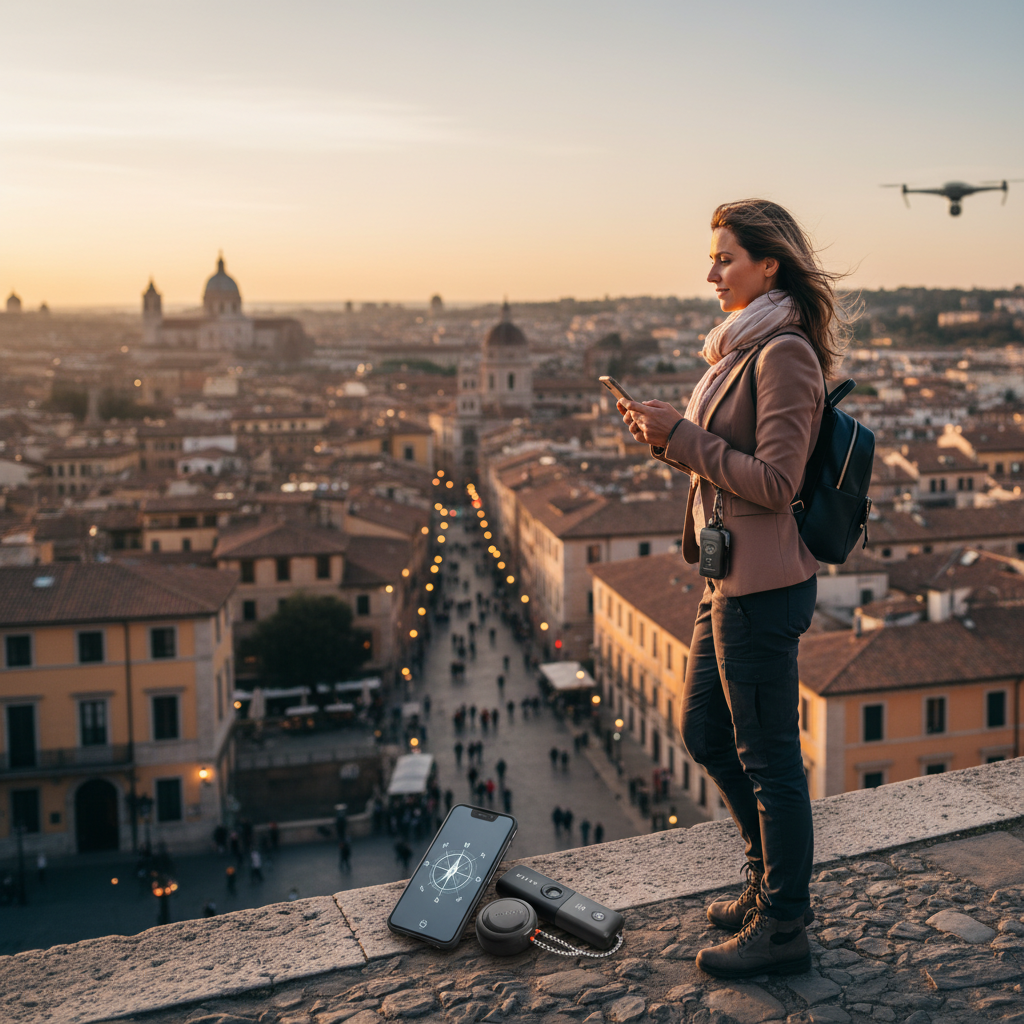
Set up location sharing with trusted contacts back home using apps like Find My Friends or Google Maps sharing features. This creates a digital breadcrumb trail without requiring constant check-ins. Program emergency contacts into your phone under names like "ICE" (In Case of Emergency) and include local embassy or consulate numbers. Consider using a GPS tracking device like Tile or AirTag hidden in your luggage for worst-case scenarios. These small investments provide peace of mind and practical recovery options if problems occur.
Practice Confident Body Language and Local Customs
Observe how local women dress, walk, and interact in public spaces, then adapt accordingly. Confident posture, purposeful walking, and appropriate cultural dress help you blend in naturally rather than standing out as an obvious tourist. Avoid behaviors that signal uncertainty like frequent map checking, photographing everything, or looking around nervously. Instead, move through spaces as if you belong there. This subtle confidence often deters unwanted attention more effectively than any obvious security measure.
Establish Communication Protocols for Different Scenarios
Create specific check-in schedules with friends or family based on your activities and locations. Daily messages work for low-risk destinations, while higher-risk areas might require morning and evening contact. Develop code words or phrases that signal different levels of concern if you need help but can't speak freely. Share your accommodation details, local transportation methods, and planned activities so your contacts understand your normal patterns and can recognize when something seems wrong.
These advanced strategies work best when they become natural habits rather than obvious security measures. The goal is creating multiple layers of protection while maintaining the freedom and spontaneity that make solo travel rewarding. Start practicing these techniques during shorter trips close to home, then gradually implement them as you explore more adventurous destinations.