How Desk Plant Placement and Species Selection Affect Indoor Air Purification and Mental Well-Being During Work Hours
Chris Martinez
05/11/2026
4 min read
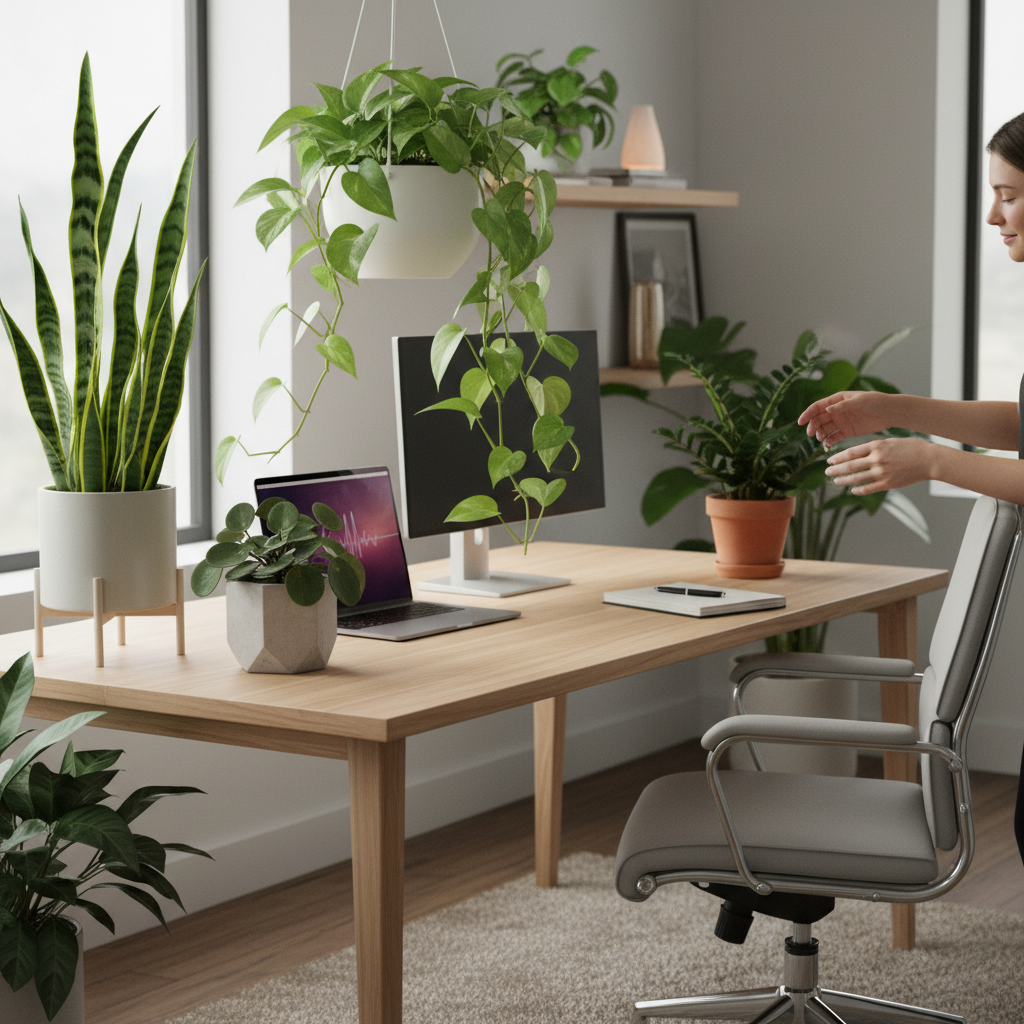
Plants positioned strategically around your workspace create measurable improvements in air quality while reducing stress hormones throughout your workday. Research shows that specific species and placement locations generate different benefits for cognitive function, with some combinations proving significantly more effective than others.
The modern office environment presents unique challenges for both air circulation and mental health maintenance. Poor ventilation systems trap pollutants from furniture, electronics, and building materials, while artificial lighting and confined spaces contribute to workplace stress. Strategic plant placement addresses both issues simultaneously, creating natural air filtration systems that also provide psychological benefits.
Position Plants Within Three Feet of Your Primary Work Area
Placing plants within arm's reach of your desk maximizes their air-cleaning impact on the space where you spend most time. NASA studies demonstrate that plants filter airborne toxins most effectively within a three-foot radius. Spider plants and pothos excel in this close-proximity role, requiring minimal maintenance while processing formaldehyde and benzene from office equipment. Position them on desk corners, nearby shelves, or hanging planters to keep them within the optimal distance range.
Choose Low-Light Species That Thrive Under Fluorescent Lighting
Most office environments lack adequate natural light for traditional houseplants, making low-light species essential for sustained growth and air purification. ZZ plants and snake plants perform exceptionally well under artificial lighting conditions, continuing their air-cleaning functions without requiring window placement. These species also tolerate irregular watering schedules common in busy work environments. Peace lilies add visual appeal while thriving in fluorescent lighting, though they require slightly more consistent moisture than other low-light options.
Select Air-Purifying Species Based on Common Office Pollutants
Different plant species target specific airborne contaminants commonly found in office environments. English ivy effectively removes formaldehyde from furniture and carpet adhesives, while rubber trees excel at processing ammonia from cleaning products. Boston ferns tackle xylene from printers and copiers, making them ideal near equipment areas. Aloe vera plants address benzene from plastics and synthetic materials while providing additional benefits like natural humidification.
Create Groupings Rather Than Single Plant Placements
Clustering multiple plants together amplifies their air purification capacity while creating more significant psychological impact than isolated specimens. Groups of three to five plants generate measurable improvements in local humidity and air quality compared to single plants. This clustering effect works particularly well with smaller species like golden pothos and philodendrons arranged at varying heights. The visual impact of plant groupings also enhances the biophilic response that reduces workplace stress and improves focus.
Position Larger Plants Near Air Circulation Sources
Placing substantial plants near heating vents, air conditioning returns, or fans maximizes their air filtration throughout your workspace. Fiddle leaf figs and large snake plants work effectively in these locations, processing greater volumes of air as it circulates through the room. These positioning strategies help distribute cleaner air more efficiently while preventing stagnant pockets where pollutants accumulate. Consider the seasonal changes in airflow patterns when positioning plants near HVAC systems.
Maintain Optimal Soil Moisture for Maximum Air Purification
Plant air purification capacity directly correlates with their overall health, making proper watering schedules crucial for maintaining benefits. Overwatering creates conditions for mold growth that can worsen indoor air quality, while underwatering reduces the plant's ability to process airborne toxins. Most office plants prefer soil that feels slightly dry between waterings, typically every seven to ten days. Use moisture meters or simple finger tests to establish consistent watering routines that support optimal plant function.
Consider Seasonal Light Changes and Plant Rotation
Office lighting conditions change throughout the year as natural daylight hours shift, affecting plant health and air purification capacity. Rotating plants between different office locations helps them maintain consistent growth and filtration abilities. Plants positioned near windows may need relocation during winter months when heating systems create dry conditions. Summer positioning should account for increased temperatures and potential direct sunlight that can stress species adapted to low-light environments.
Monitor Plant Health for Sustained Air Quality Benefits
Regular plant maintenance ensures continued air purification benefits while preventing issues that could negatively impact workspace air quality. Dead leaves and stagnant water create conditions for bacterial growth that offset air-cleaning benefits. Weekly plant inspections help identify problems before they affect air quality or plant health. Simple maintenance tasks like leaf dusting, pruning, and proper drainage keep plants functioning optimally throughout their useful life in office environments.
The integration of plants into workspace design continues evolving as more employers recognize their impact on employee well-being and productivity. Advanced hydroponic systems and smart plant monitoring technology are making office plant maintenance more predictable and effective, while new research identifies additional species suited for modern work environments.