How Desk Plant Placement and Species Selection Affect Indoor Air Purification and Mental Well-Being During Work Hours
Chris Martinez
05/11/2026
4 min read
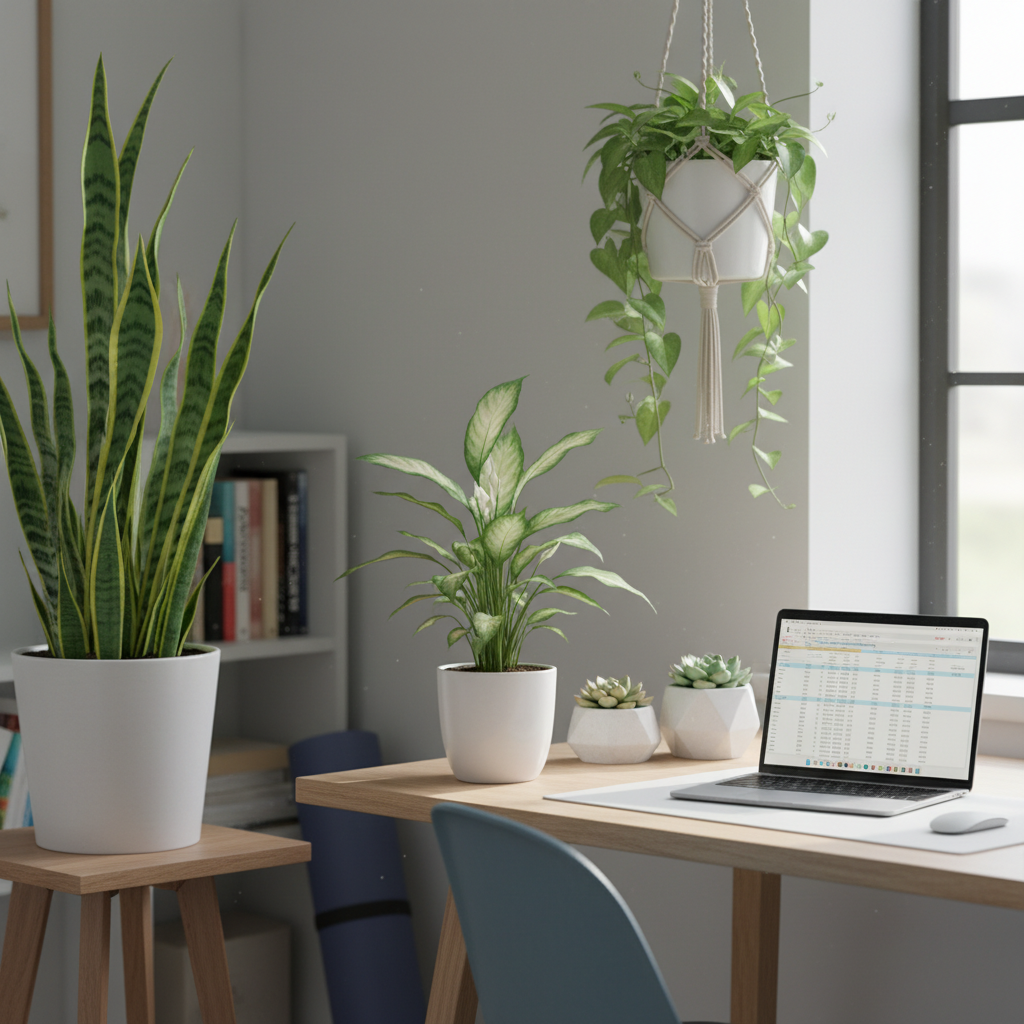
Plants in workspaces do more than add visual appeal—they actively filter toxins from the air while providing psychological benefits that enhance focus and reduce stress throughout your workday. The strategic placement of specific plant species around your desk creates measurable improvements in both air quality and mental clarity within just a few weeks.
Poor indoor air quality and sterile work environments contribute to afternoon fatigue, difficulty concentrating, and elevated stress levels. Most office buildings recirculate air that contains volatile organic compounds from furniture, carpets, and cleaning products. Meanwhile, the absence of natural elements in workspaces triggers what researchers call "nature deficit," leading to increased cortisol production and decreased cognitive performance.
Position Air-Purifying Plants Within Three Feet of Your Workspace
Place plants like snake plants, pothos, or peace lilies within arm's reach of your primary work area to maximize their air-filtering benefits. NASA research identifies these species as particularly effective at removing formaldehyde, benzene, and other common indoor pollutants. The closer the plant sits to your breathing zone, the more filtered air you'll inhale throughout the day. Even a single medium-sized plant positioned between you and your computer screen begins improving local air quality within hours.
Choose Low-Maintenance Species That Thrive in Office Lighting
Select plants that flourish under artificial lighting and require minimal care to ensure they remain healthy and continue purifying air effectively. ZZ plants, Chinese evergreens, and cast iron plants adapt well to fluorescent lighting and forgive irregular watering schedules. Dead or struggling plants release fewer beneficial compounds and may harbor mold or bacteria that worsen indoor air quality. Focus on species known for their resilience rather than those requiring specific lighting or humidity conditions.
Create Visual Barriers Using Larger Plants to Reduce Stress
Position taller plants like fiddle leaf figs or rubber trees between your desk and high-traffic areas to create a natural privacy screen that reduces visual distractions. This placement technique, called "prospect-refuge theory," satisfies your brain's preference for spaces that feel both open and protected. The psychological benefit of having a green barrier between yourself and workplace stressors can lower cortisol levels and improve concentration. Even artificial plants provide some visual stress reduction, though live plants offer superior air purification benefits.
Group Multiple Small Plants for Enhanced Air Circulation
Arrange three to five smaller plants in clusters around your workspace rather than spreading single plants throughout the room to create concentrated zones of cleaner air. Spider plants, small pothos varieties, and desk-sized snake plants work well for this strategy. Grouping plants also increases humidity in your immediate area, which helps prevent the dry air common in office buildings from irritating your respiratory system. The combined transpiration from multiple plants creates a microenvironment with noticeably fresher air.
Select Plants Based on Your Specific Air Quality Concerns
Match plant species to the particular toxins most likely present in your workspace based on the building's age, furniture materials, and ventilation system. Boston ferns excel at removing formaldehyde from new furniture, while English ivy effectively filters airborne particles from carpets and upholstery. Aloe vera plants absorb chemicals from cleaning products, making them ideal for workspaces cleaned frequently with commercial products. Research your building's construction materials and choose plants accordingly for targeted air purification.
Position Plants to Catch Natural Light Without Blocking Your View
Place plants near windows where they can access natural light while maintaining your connection to outdoor views, which provides additional mental health benefits. Window-side placement keeps plants healthy and actively photosynthesizing, maximizing their air-purifying capacity throughout daylight hours. Avoid blocking your direct sightline to windows, as visual access to natural environments reduces mental fatigue and improves mood regulation. Consider hanging plants or tall, narrow species that don't obstruct your view while still benefiting from window light.
Establish a Simple Care Routine to Maintain Plant Health
Develop a weekly watering and monthly care schedule to ensure your plants remain effective air purifiers rather than becoming workplace stressors themselves. Most office plants thrive with watering once or twice per week and occasional leaf cleaning to remove dust that impedes photosynthesis. Set phone reminders for plant care tasks, and choose self-watering planters if you travel frequently for work. Healthy plants consistently produce oxygen and filter toxins, while neglected plants may actually worsen indoor air quality through decay or pest problems.
Consider Seasonal Adjustments for Optimal Performance
Adjust plant placement and care routines based on seasonal changes in office heating, cooling, and natural light availability to maintain consistent air purification benefits year-round. Winter heating systems often create drier conditions that require more frequent watering or the addition of humidity-loving plants like Boston ferns. Summer air conditioning may necessitate moving plants away from direct vents to prevent cold damage. Seasonal light changes might require rotating plants closer to or farther from windows to maintain their health and air-filtering capacity.
As remote work and flexible office arrangements continue evolving, understanding how to optimize your immediate environment becomes increasingly valuable for maintaining productivity and well-being wherever you work. The integration of live plants into workspaces represents a simple, cost-effective approach to environmental health that requires minimal investment while providing measurable returns in both air quality and mental clarity.