How Dynamic Pricing Algorithms at Major Retailers Adjust Prices Hourly and When to Buy for Lowest Costs
Jennifer Walsh
03/17/2026
3 min read
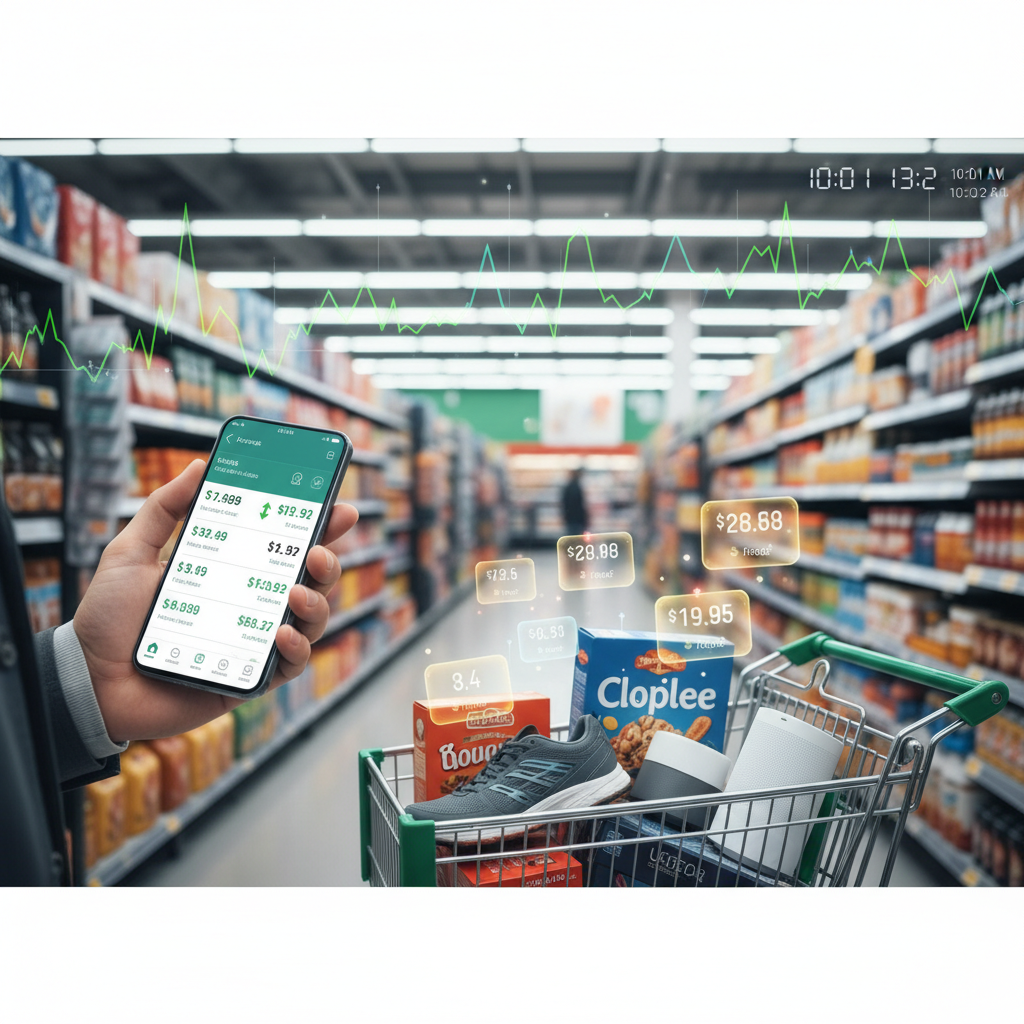
Major retailers now change prices multiple times per day using sophisticated algorithms that monitor competitor pricing, demand patterns, inventory levels, and customer behavior in real time. These dynamic pricing systems have transformed retail into a constantly shifting marketplace where the same product can cost different amounts depending on when customers check.
How Modern Pricing Algorithms Monitor Market Conditions
Retail giants like Amazon, Walmart, and Target employ machine learning algorithms that process millions of data points every hour. These systems track competitor prices across hundreds of retailers, analyze search volume trends, monitor social media mentions, and evaluate seasonal demand patterns. The algorithms also consider factors like remaining inventory, shipping costs, and even local weather conditions that might affect demand. This constant data processing allows retailers to optimize prices for maximum profit while remaining competitive in the marketplace.
Peak Times When Retailers Increase Prices
Pricing algorithms typically raise prices during high-demand periods when customers are most likely to purchase regardless of cost. Monday mornings often see price increases as algorithms anticipate weekly shopping patterns. Weekend evenings, particularly Sunday nights, frequently trigger higher prices for items people need immediately. Holiday periods, back-to-school seasons, and emergency situations like severe weather events prompt automatic price adjustments. Many retailers also increase prices during lunch hours and after work when people shop on mobile devices and make quicker purchasing decisions.
Strategic Shopping Windows for Maximum Savings
The lowest prices often occur during off-peak hours when demand decreases and retailers compete more aggressively for customer attention. Tuesday through Thursday mornings typically offer the best deals as algorithms respond to lower weekend sales and prepare for upcoming demand. Late night hours between 11 PM and 6 AM frequently feature reduced prices on electronics, clothing, and non-essential items. Mid-month periods usually provide better pricing than month-end when people receive paychecks and spending increases.
Geographic and Device-Based Price Variations
Dynamic pricing algorithms adjust costs based on customer location, device type, and browsing history to maximize revenue from different market segments. Shoppers in affluent zip codes often see higher prices for identical products, while rural customers might encounter different pricing structures entirely. Mobile device users frequently face higher prices than desktop browsers, as algorithms assume mobile shoppers prioritize convenience over price comparison. Clearing browser cookies and using incognito mode can sometimes reveal different pricing options for the same products.
Tools and Techniques for Price Tracking
Price tracking tools like Honey, CamelCamelCamel, and Keepa help consumers monitor price fluctuations and identify optimal purchasing windows. These services track historical pricing data and send alerts when items drop to desired price points. Browser extensions can automatically apply coupon codes and compare prices across multiple retailers during checkout. Setting up price alerts for non-urgent purchases allows shoppers to wait for algorithm-driven price drops rather than paying peak rates.
Timing Your Purchases for Algorithmic Advantages
You can leverage dynamic pricing patterns by timing purchases strategically around algorithm behavior. Check prices at different times throughout the day, particularly during early morning hours when fewer people shop online. Avoid purchasing items immediately after searching for them, as some algorithms increase prices for products that receive sudden attention. Consider making larger purchases during weekday business hours when B2B pricing algorithms might offer better rates. For electronics and seasonal items, monitor prices during the middle of the month when retailers often run promotions to boost monthly sales figures.
Dynamic pricing will likely become even more sophisticated as retailers integrate artificial intelligence with real-time consumer data and economic indicators. Understanding these algorithmic patterns empowers shoppers to make informed decisions about when to buy and when to wait for better deals.