Fast Fashion Alternatives Carry Unexpected Environmental and Financial Burdens
Michael Thompson
02/23/2026
3 min read
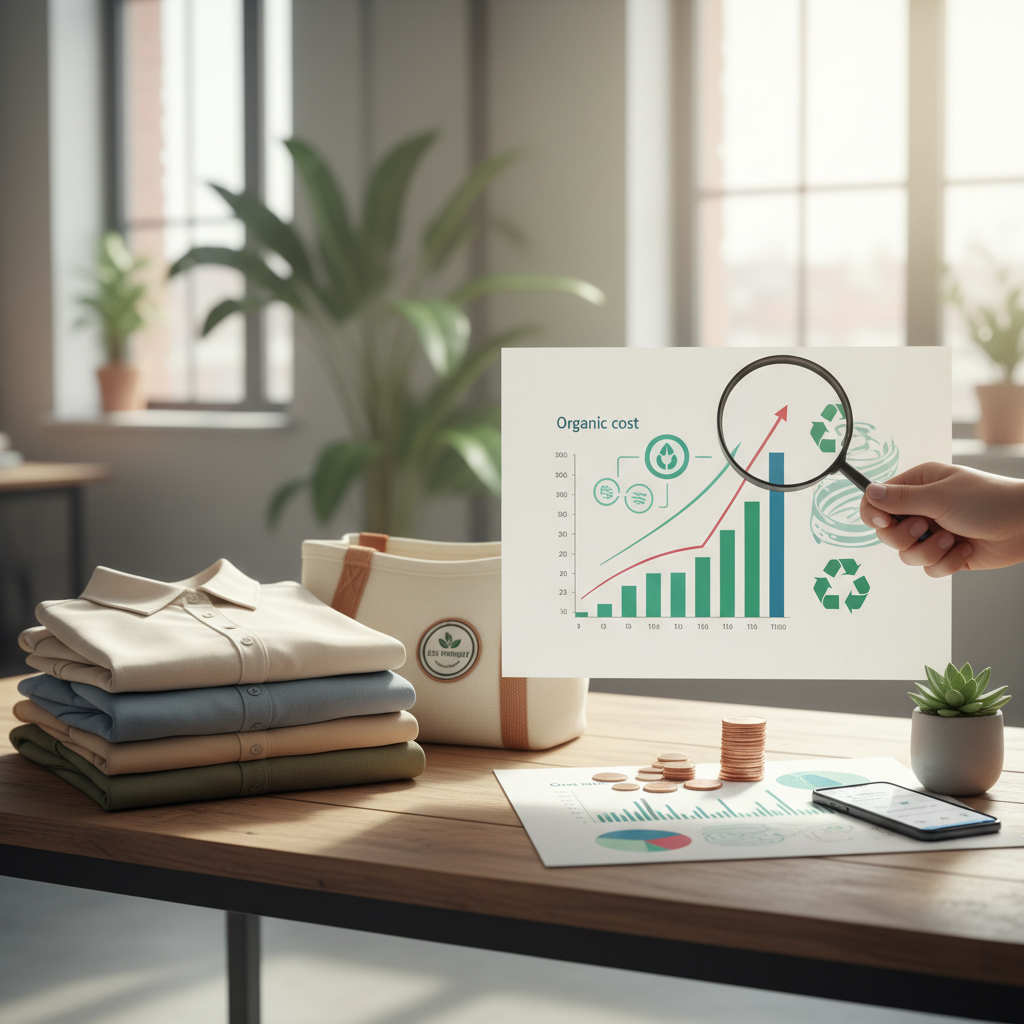
The ethical fashion movement has spawned dozens of alternatives to traditional fast fashion retailers, yet many of these seemingly responsible choices create their own environmental and financial complications. From rental subscriptions to secondhand marketplaces, the landscape of conscious consumption often masks hidden costs that can strain both budgets and the planet in unexpected ways.
The Subscription Rental Model's True Price
Clothing rental services like Rent the Runway and Le Tote promise access to designer pieces without the commitment of purchase. The reality involves significant hidden expenses that extend beyond monthly fees. Dry cleaning chemicals required between rentals create environmental waste streams that traditional ownership avoids. Late fees, damage charges, and shipping costs can push monthly spending well above what consumers initially budget.
The carbon footprint of constant shipping amplifies with each rental cycle. A single dress might travel thousands of miles between customers, generating emissions that dwarf the manufacturing impact of owning one comparable garment for years.
Secondhand Shopping's Infrastructure Demands
Thrift stores and consignment shops appear to offer the most sustainable alternative to fast fashion consumption patterns. However, the booming secondhand market now requires extensive sorting facilities, transportation networks, and quality control systems that consume significant energy resources. Platforms like ThredUp and Poshmark operate massive warehouses where textiles undergo industrial-scale processing.
The popularity of secondhand shopping has driven up prices at traditional thrift stores, making affordable clothing less accessible to low-income communities who historically relied on these resources. What began as circular economy principles has evolved into another form of retail markup that benefits platforms more than consumers or the environment.
Made-to-Order Fashion's Resource Intensity
Custom clothing manufacturers promise to eliminate waste through made-to-order production models. Companies like Reformation and Everlane market themselves as sustainable alternatives that produce only what customers request. The manufacturing reality proves more complex, requiring specialized equipment, skilled labor, and longer production timelines that increase per-unit resource consumption.
Small-batch production lacks the efficiency improvements that come with scale, often requiring more water, energy, and material waste per garment than mass production. The premium pricing of made-to-order fashion also means consumers typically purchase fewer pieces, leading to more frequent washing and higher wear patterns that reduce garment lifespan.
Sustainable Fabric Claims Under Scrutiny
Eco-friendly materials like bamboo, hemp, and recycled polyester carry their own environmental trade-offs that marketing rarely addresses honestly. Bamboo fabric production requires intensive chemical processing that transforms the plant into soft textiles through methods similar to conventional rayon manufacturing. Hemp cultivation, while requiring fewer pesticides, demands significant water resources and specialized processing facilities.
Recycled polyester extends the life of plastic bottles but creates microplastic pollution during washing cycles. The energy required to break down and reconstitute synthetic materials often exceeds the environmental cost of producing virgin materials, particularly when transportation and processing are factored into lifecycle assessments.
Repair and Alteration Service Networks
The movement toward clothing repair and tailoring represents perhaps the most genuinely sustainable alternative to replacement purchases. Local tailors, cobbler shops, and specialized repair services reduce waste while extending garment lifecycles significantly. However, the cost of skilled alterations often exceeds the price of new fast fashion items, creating economic barriers that make repair impractical for many consumers.
The disappearance of repair skills from everyday knowledge means most consumers must pay professionals for services their grandparents performed at home. Cities like San Francisco and Portland have seen repair cafes emerge as community resources, but these initiatives remain limited in scope and geographic reach.
Finding Balance in Consumption Choices
You can navigate fashion alternatives more effectively by calculating total cost of ownership rather than focusing solely on upfront prices. Consider the frequency of use, maintenance requirements, and end-of-life disposal when evaluating options. The most sustainable choice often involves buying fewer, higher-quality pieces from conventional retailers rather than engaging with alternative systems that promise guilt-free consumption.
The fashion industry continues evolving toward more transparent practices, driven by consumer demand for accountability. Blockchain technology and supply chain tracking may eventually provide the detailed information needed to make truly informed choices, moving beyond marketing claims toward verifiable environmental and social impact data.