How I-Bond Purchase Timing Within Calendar Years Maximizes Interest Earnings and Tax Benefits
Michael Thompson
04/05/2026
4 min read
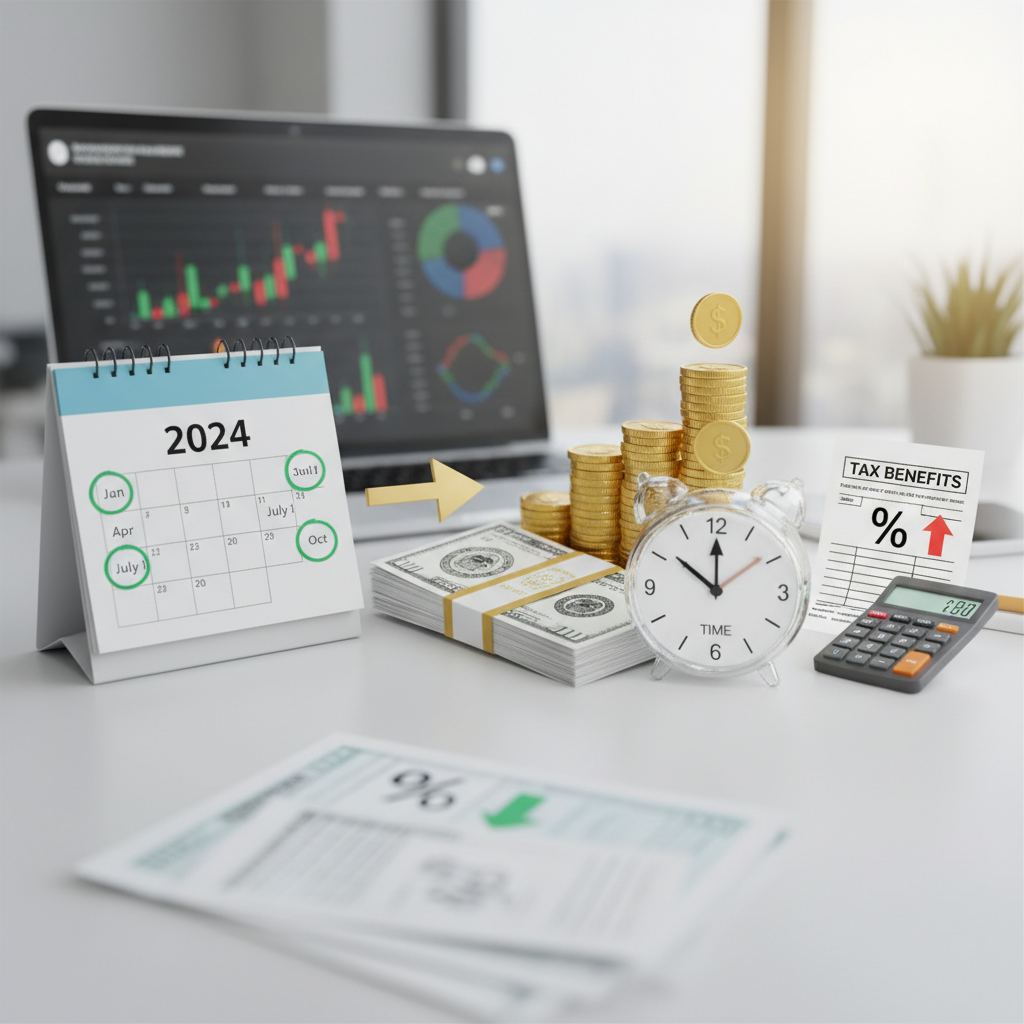
Series I Savings Bonds offer inflation protection and tax advantages that become significantly more valuable when purchased at specific times during the calendar year. The timing of your I-Bond purchases affects both the interest you earn and how those earnings impact your tax obligations.
Purchase Late in the Calendar Year to Defer Tax Reporting
Buying I-Bonds in November or December delays when you must report interest income on your tax return. I-Bonds accrue interest monthly from the first day of the month you purchase them, but you don't owe taxes until you redeem the bonds or they mature. If you purchase bonds in December, your first year of interest accumulation occurs entirely within that tax year, but the relatively small amount earned in one month creates minimal tax impact. This strategy allows interest to compound for years before creating substantial taxable income, giving you more control over when that tax burden hits your return.
Buy During High Inflation Periods for Maximum Rate Locks
I-Bond interest rates adjust every six months based on inflation data, but bonds purchased during any six-month period lock in that rate for their first six months. When inflation runs high, purchasing bonds during those periods secures favorable rates even if inflation later decreases. The Treasury announces new rates each May and November, so monitoring these announcements helps you time purchases when rates peak. Bonds purchased in high-rate periods continue earning those rates for six full months regardless of economic changes, making timing around rate announcements particularly valuable for maximizing returns.
Spread Family Purchases Across Multiple Years to Maximize Limits
The annual I-Bond purchase limit of $10,000 per person in electronic bonds applies to calendar years, not rolling twelve-month periods. Families can maximize their I-Bond holdings by having each eligible family member purchase bonds, including minor children with their own Treasury Direct accounts. Spreading purchases across December and January allows you to invest $20,000 per person across just two months while staying within annual limits. This strategy works particularly well when inflation remains elevated, as it locks in favorable rates across a larger dollar amount than single-year purchasing allows.
Time Redemptions Around Tax Year Planning
I-Bond redemption timing directly impacts which tax year reports the accumulated interest income. Bonds held for at least five years avoid the three-month interest penalty, making late-year redemptions after this threshold particularly attractive. If you anticipate lower income in a future year, holding bonds until that year arrives reduces the tax rate applied to I-Bond interest. Conversely, if you expect higher future income, redeeming bonds in lower-income years minimizes the tax impact while accessing your principal and accumulated interest.
Coordinate with Educational Expenses for Tax-Free Interest
I-Bond interest becomes completely tax-free when used for qualified educational expenses, provided your income falls below specific thresholds. Timing bond redemptions to coincide with tuition payments maximizes this tax benefit, but the bonds must have been purchased by someone at least 24 years old. Planning I-Bond purchases years before anticipated educational expenses allows interest to accumulate tax-free while ensuring you meet all qualification requirements. This strategy works particularly well for graduate school expenses or continuing education costs that occur later in life.
Purchase Early in Low-Income Years for Future High-Income Protection
Buying I-Bonds during years when your income sits temporarily lower protects against future tax rate increases from income growth. While I-Bond interest isn't taxed until redemption, purchasing bonds when you're in lower tax brackets creates flexibility for future tax planning. Professional transitions, sabbaticals, or early retirement years often present opportunities to purchase bonds that will be redeemed when income returns to higher levels. The tax deferral benefit becomes more valuable as the gap between purchase-year and redemption-year tax rates increases.
Align Purchases with Interest Rate Reset Schedules
I-Bond rates change every May 1st and November 1st, creating two annual opportunities to lock in favorable terms. Purchasing bonds just before rate decreases allows you to secure higher rates for six months, while buying just after rate increases ensures you don't miss favorable terms. The Treasury announces new rates several days before they take effect, giving you time to execute purchases strategically. Bonds purchased in April maintain their rate through September, while October purchases hold their rate through March of the following year, making these timing windows particularly important for rate optimization.
Use Paper Bond Tax Refund Purchases for Additional Allocation
Tax refunds can purchase up to $5,000 in paper I-Bonds annually, separate from the $10,000 electronic bond limit. This strategy works best when you can time tax filing to receive refunds during high-rate periods, effectively increasing your annual I-Bond allocation to $15,000 per person. Paper bonds require more administrative effort but provide additional inflation protection beyond electronic bond limits. Coordinating estimated tax payments and withholding adjustments can help generate refunds during periods when I-Bond rates remain attractive.
Strategic I-Bond timing requires balancing current inflation trends with personal tax planning goals. As inflation patterns evolve and Treasury policies adapt, monitoring rate announcements and understanding your tax situation creates opportunities to maximize both inflation protection and tax efficiency through careful purchase and redemption timing.