How Frequent Micro-Stretches During Work Hours Prevent Muscle Tension More Effectively Than Single Exercise Sessions
David Park
05/20/2026
4 min read
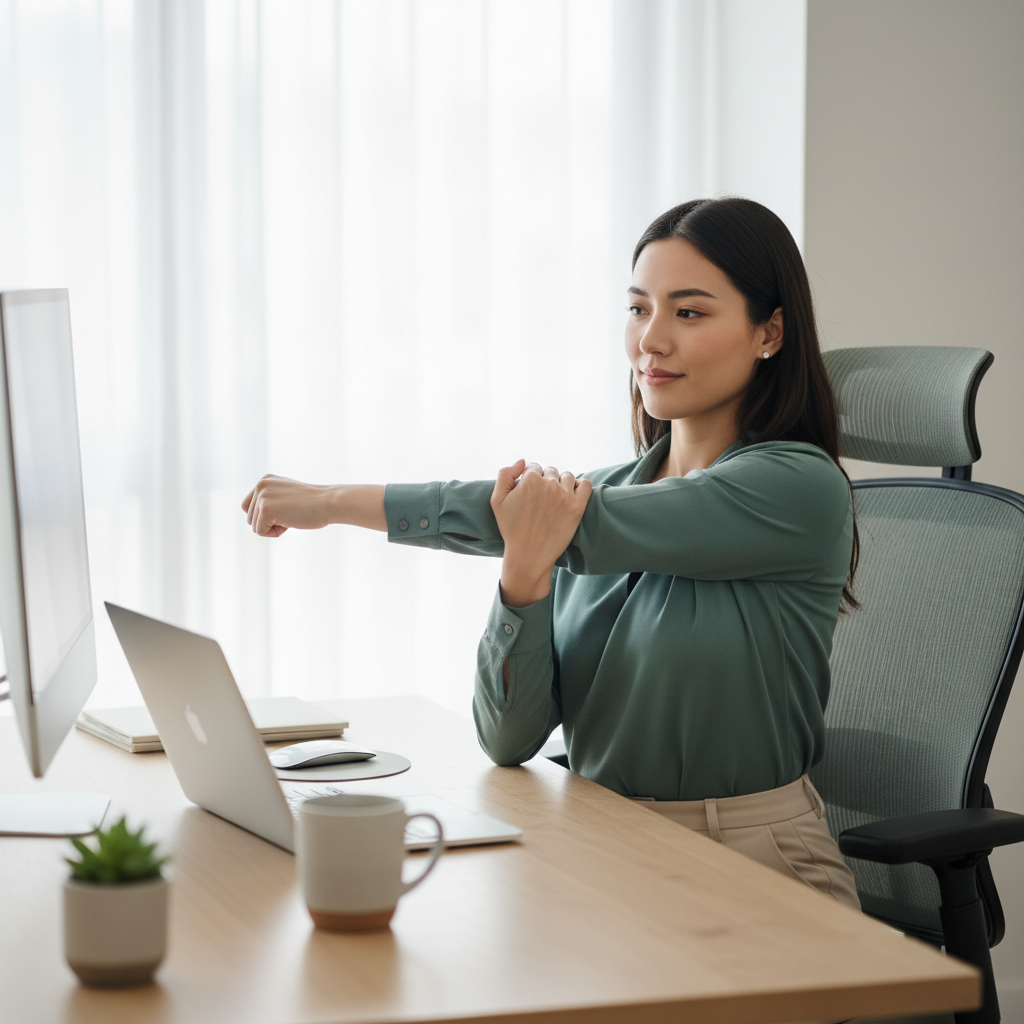
Your muscles weren't designed to stay locked in the same position for eight hours straight, yet that's exactly what modern desk work demands. While most people attempt to counteract workplace stiffness with a single workout session before or after work, research in movement science reveals a more effective approach: frequent micro-stretching throughout the workday.
The human musculoskeletal system thrives on regular movement variation. When you remain seated or standing in fixed positions for extended periods, certain muscle groups become chronically shortened while others weaken from underuse. This creates imbalances that a single exercise session, no matter how intense, cannot fully address.
Set Movement Reminders Every 30 Minutes
Your body begins developing tension patterns within 20-30 minutes of static positioning. Setting regular movement breaks interrupts these patterns before they become entrenched. Use your phone's timer, smartwatch alerts, or apps like Stand Up to remind yourself to move. During each break, perform 2-3 simple stretches targeting your neck, shoulders, and hips. Even 60 seconds of movement can reset muscle activation patterns and prevent the accumulation of tension that leads to end-of-day stiffness.
Target Your Hip Flexors With Desk-Friendly Stretches
Sitting shortens your hip flexors more than any other muscle group, creating a cascade of postural problems. Stand behind your chair and step one foot back into a gentle lunge position, keeping your torso upright. Hold for 20 seconds, then switch sides. Alternatively, while seated, place your ankle on the opposite knee and gently lean forward to stretch your hip and glute. These movements counteract the constant hip flexion of sitting and maintain healthy range of motion throughout your workday.
Activate Your Upper Trapezius and Neck Muscles
Forward head posture from computer work overactivates your upper trapezius while weakening deep neck flexors. Every hour, perform gentle neck retractions by pulling your chin back while lengthening the back of your neck. Follow this with shoulder blade squeezes, pulling your shoulder blades together and down. These movements activate underused stabilizing muscles while relieving tension in overworked areas. You can perform these stretches while remaining seated, making them ideal for busy workdays or video calls.
Include Spinal Rotation to Counter Fixed Positioning
Your spine craves rotation, but desk work keeps it locked in forward flexion. Seated spinal twists restore mobility to your thoracic spine and engage your core stabilizers. Sit tall and slowly rotate your torso to the right, placing your left hand on your right knee for gentle assistance. Hold for 15 seconds, then repeat on the opposite side. This movement pattern reduces lower back stiffness and improves circulation to spinal discs, which receive nutrients primarily through movement.
Stretch Your Wrists and Forearms Between Tasks
Repetitive computer use creates tension in your forearms and restricts blood flow to your hands. Between typing sessions, extend your arm forward with your palm facing up, then use your opposite hand to gently pull your fingers toward your body. Hold for 15 seconds, then flip your palm down and pull your hand upward to stretch the top of your forearm. These movements prevent the development of trigger points and maintain healthy circulation to your hands and fingers.
Use Transition Moments for Movement
Transform routine workplace transitions into opportunities for movement. When walking to meetings, the restroom, or kitchen, add gentle neck rolls or shoulder circles. While waiting for your computer to load or calls to connect, perform calf raises or gentle back extensions. These micro-movements accumulate throughout your day, providing consistent input to your nervous system and preventing the stagnation that occurs with prolonged static postures.
Focus on Deep Breathing During Each Stretch
Shallow breathing patterns often accompany workplace stress and muscle tension. During each stretching break, focus on deep diaphragmatic breathing. Inhale slowly through your nose, allowing your belly to expand, then exhale completely through your mouth. This breathing pattern activates your parasympathetic nervous system, enhancing the stress-relieving benefits of movement while improving oxygen delivery to your muscles.
Schedule Longer Movement Sessions for Maximum Benefit
While micro-stretches form the foundation of workplace wellness, longer movement sessions amplify these benefits. Reserve 10-15 minutes during lunch breaks for more comprehensive stretching sequences. Companies like Google and Microsoft have recognized this need by installing dedicated wellness spaces where employees can perform yoga flows or dynamic stretching routines. These extended sessions address deeper muscle restrictions while providing mental restoration.
Workplace wellness continues evolving as employers recognize the productivity benefits of movement integration. Smart furniture that reminds users to change positions and AI-powered wellness apps that customize movement breaks based on individual patterns represent the future of occupational health. The key remains consistent: frequent, small movements throughout your workday will always outperform sporadic intense sessions for preventing muscle tension and maintaining optimal circulation.