How Frequent Mini-Stretches Throughout Your Workday Beat Single Exercise Sessions for Muscle Tension and Circulation
David Park
05/20/2026
4 min read
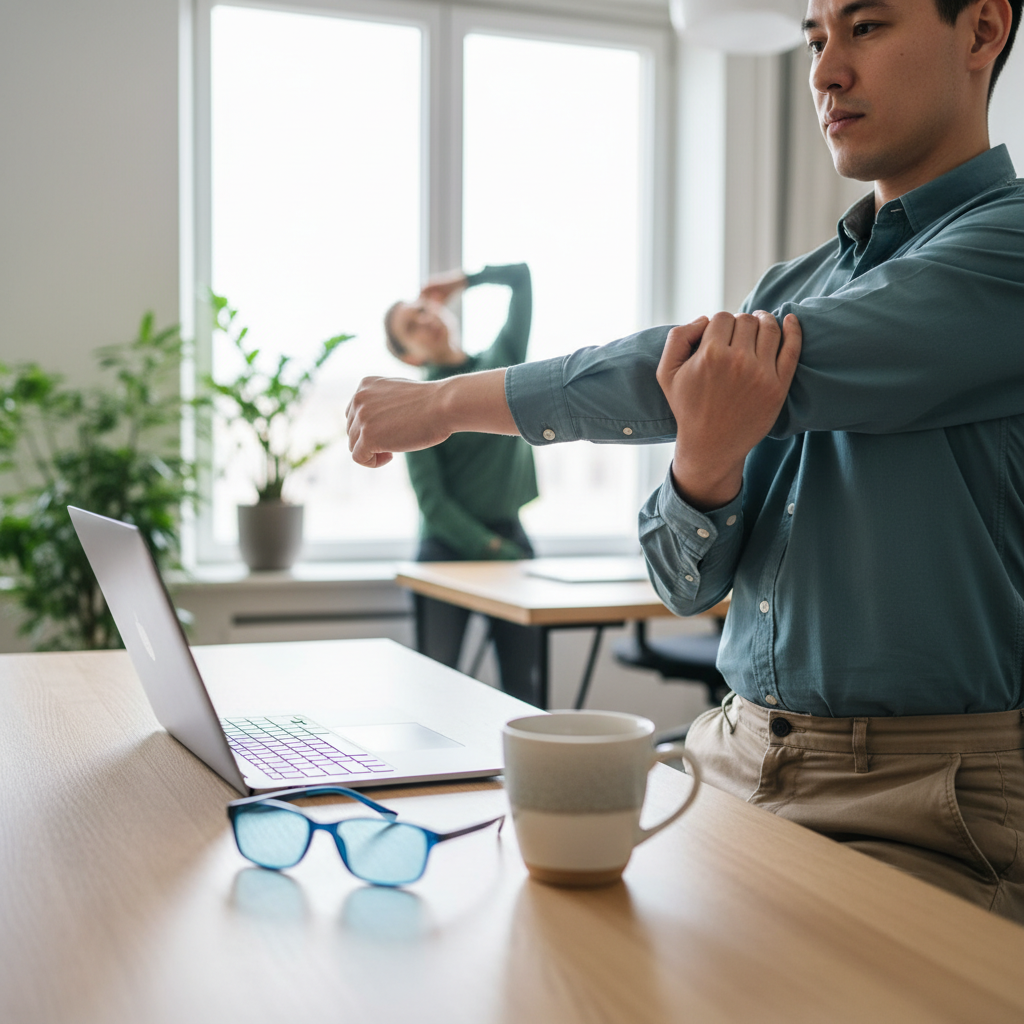
Your muscles weren't designed to stay locked in the same position for eight hours, yet that's exactly what happens during most workdays. While you might think a solid workout at the gym can undo the damage from hours of sitting or standing, research shows that frequent mini-stretches throughout the day provide superior benefits for muscle tension relief and circulation improvement.
The key lies in how your body responds to prolonged static positions. When you maintain the same posture for extended periods, your muscles develop micro-adhesions, blood pools in certain areas, and your nervous system adapts to these restricted movement patterns. A single exercise session, no matter how intense, cannot fully counteract eight hours of muscular stagnation.
Set Movement Reminders Every Thirty Minutes
Your body begins to stiffen within twenty to thirty minutes of holding any position. Setting a gentle reminder on your phone or computer helps establish consistent movement breaks before tension accumulates. Use this time for just sixty to ninety seconds of simple movements like shoulder rolls, neck turns, or gentle spinal twists. Microsoft Teams and Slack both offer reminder features that can prompt these micro-breaks without disrupting deep focus work. The goal isn't intense stretching but rather resetting your muscular patterns before they become problematic.
Focus on Your Primary Problem Areas First
Identify the three areas where you feel tension most consistently throughout your workday. For most office workers, this includes the neck, shoulders, and lower back, while people who stand frequently often experience tight calves and hip flexors. Target these areas with specific movements during each break rather than attempting full-body routines. Simple neck stretches, seated spinal twists, and calf raises can address common tension points in under two minutes. This targeted approach ensures you're addressing actual problem areas rather than following generic stretching protocols.
Incorporate Dynamic Movement Between Static Holds
Static stretching alone doesn't address circulation issues as effectively as combining gentle movement with sustained stretches. Start each mini-session with five to ten seconds of dynamic movement like arm circles or gentle marching in place to get blood flowing. Follow this with twenty to thirty seconds of static stretching for your target areas. The combination helps pump blood through previously stagnant areas while releasing muscular tension. This approach mimics natural movement patterns better than holding stretches in isolation.
Use Your Environment for Natural Stretching Opportunities
Look for ways to incorporate stretching into existing activities rather than viewing it as separate time commitment. Stretch your calves while waiting for the elevator, perform doorway chest stretches between meetings, or do gentle spinal extensions while your coffee brews. The water cooler, copy machine, and break room all provide opportunities for quick movement breaks. These environmental cues help establish stretching as part of your natural workflow rather than an additional task competing for time.
Time Your Stretches with Natural Energy Dips
Your body experiences predictable energy fluctuations throughout the day, typically around 10 AM, 2 PM, and 4 PM for most people. These natural dips often coincide with increased muscle tension and reduced circulation. Use these moments for slightly longer stretching sessions lasting three to five minutes. Your body is already signaling the need for a reset, making this an ideal time to address accumulated tension. The movement also provides a natural energy boost that helps you navigate afternoon productivity challenges.
Target Circulation Points That Affect Mental Clarity
Poor circulation doesn't just affect your muscles; it impacts cognitive function as well. Focus on movements that enhance blood flow to areas that support mental performance. Gentle neck stretches improve circulation to the brain, while thoracic spine mobility affects breathing depth and oxygen delivery. Simple ankle pumps help return blood from your lower extremities back to your heart and brain. Gentle inversions like hanging your head between your knees for fifteen seconds can provide an immediate circulation boost when afternoon fog sets in.
Build Stretching Into Transition Moments
Use the natural transitions in your workday as stretching opportunities rather than adding separate break times. Stretch while transitioning between phone calls, perform gentle movements while walking to meetings, or use bathroom breaks for quick spinal mobility work. This approach integrates movement into existing routines without requiring additional time allocation. The key is recognizing these transition moments as opportunities rather than viewing stretching as a separate activity that competes with work demands.
Track How Different Frequencies Affect Your Energy
Experiment with different stretching frequencies to find your optimal pattern. Some people benefit from brief movements every twenty minutes, while others do better with longer sessions every hour. Pay attention to how different approaches affect your energy levels, focus quality, and end-of-day tension. Apps like Apple Health or Google Fit can help you track movement frequency, while simple notes about energy and tension levels help you identify patterns. This personal data helps you optimize your approach based on your body's specific responses rather than following generic recommendations.
As workplace wellness continues evolving, more companies are recognizing the productivity benefits of supporting employee movement throughout the day. Standing desks, walking meetings, and movement-friendly office designs are becoming standard rather than perks. The research consistently shows that frequent, brief movement breaks provide superior health benefits compared to single exercise sessions for addressing workplace-related physical challenges.