How Foot Strike Patterns During Walking Affect Joint Alignment and Simple Gait Adjustments That Reduce Knee Pain Within 30 Days
Emily Rodriguez
06/12/2026
4 min read
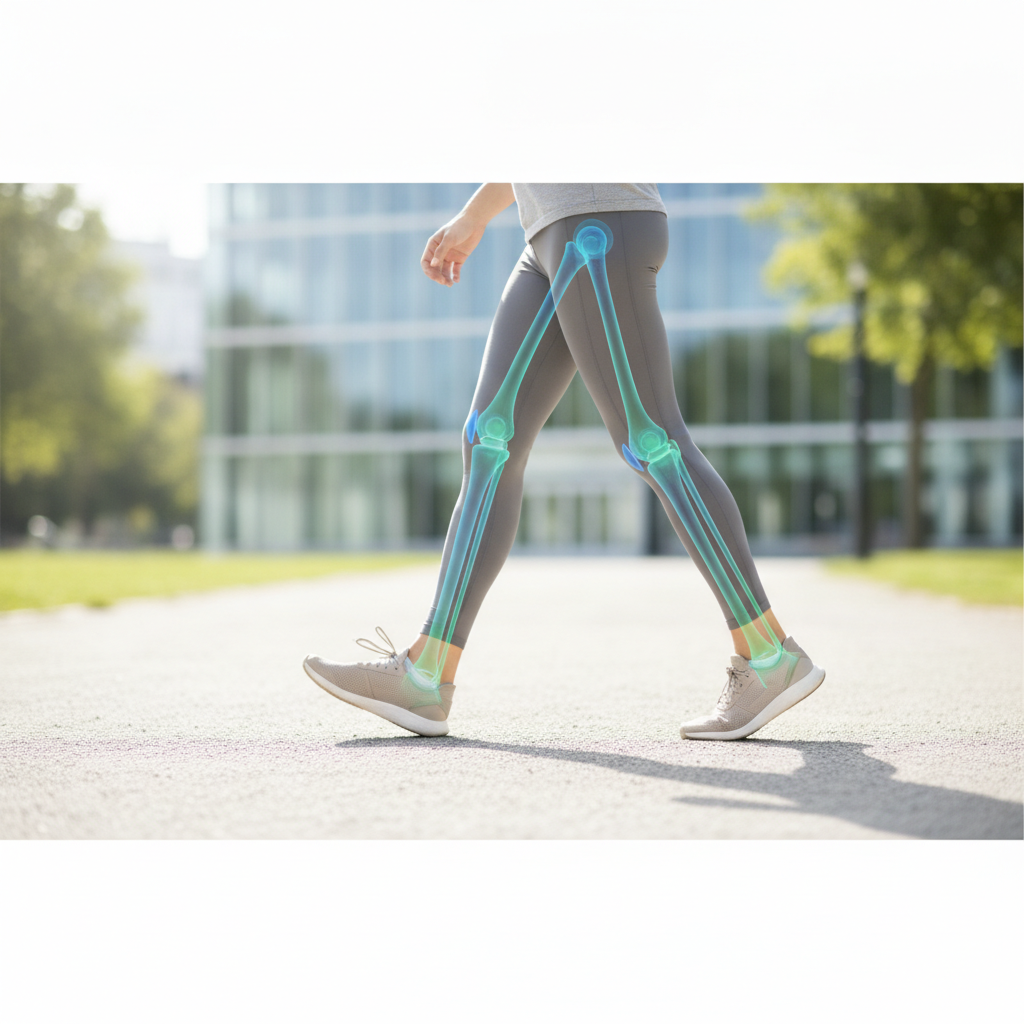
Knee pain affects millions of people daily, often stemming from walking patterns established years ago without conscious thought. Your foot strike pattern—how your foot contacts the ground with each step—creates a chain reaction through your ankles, knees, hips, and spine that either supports or undermines joint health over time.
The way you walk might seem automatic, but small adjustments to your gait can dramatically reduce knee stress and pain within weeks. Understanding how different foot strike patterns affect your joint alignment provides the foundation for making targeted changes that restore comfort and prevent future damage.
Identify Your Current Foot Strike Pattern
Most people fall into one of three categories: heel strikers who land on their heel first, midfoot strikers who land on the middle of their foot, or forefoot strikers who contact the ground with the ball of their foot. You can determine your pattern by walking on wet pavement and examining your footprints, or by listening to your footsteps on hard surfaces. Heel strikers often create louder impacts, while midfoot and forefoot strikers tend to move more quietly.
Transition Gradually from Heel to Midfoot Landing
Heel striking creates a braking force that travels up through your knee joint with each step, contributing to pain and wear over time. Shifting toward a midfoot strike reduces this impact by allowing your foot's natural arch to absorb more shock. Practice this transition for just five minutes daily, focusing on landing with your foot beneath your center of gravity rather than out in front of your body. Brooks and ASICS both design shoes that encourage midfoot striking through their midsole construction and heel-to-toe drop measurements.
Shorten Your Stride Length by 10 Percent
Overstriding forces your leading foot to land far ahead of your body, creating excessive stress on your knee joint as it works to pull your body forward. Reducing your stride length by roughly 10 percent allows your foot to land closer to your center of gravity, reducing the braking forces that contribute to knee pain. Count your steps for one minute during your normal walk, then aim to increase that number by 8-10 steps while covering the same distance.
Increase Your Cadence to 170-180 Steps Per Minute
Faster turnover naturally encourages shorter strides and softer foot impacts, reducing the load on your knee joints with each step. Most people walk at 120-140 steps per minute, but increasing to 170-180 steps creates a more efficient gait pattern. Use a metronome app like Soundbrenner or Pro Metronome to practice this rhythm for 10-15 minutes daily. The faster cadence might feel awkward initially, but most people adapt within two weeks of consistent practice.
Focus on Landing Softly with Each Step
Conscious attention to creating quieter footsteps automatically improves your foot strike pattern and reduces impact forces through your knees. Practice walking so quietly that someone nearby couldn't hear your footsteps on normal indoor surfaces. This mental cue encourages your muscles to absorb impact more effectively and promotes a more natural midfoot landing pattern. The soft landing technique works particularly well when combined with slightly bent knees throughout your stride.
Strengthen Your Hip Abductors and Glutes
Weak hip muscles allow your knee to cave inward during walking, creating misalignment that contributes to joint pain and cartilage wear. Clamshells, lateral band walks, and single-leg glute bridges specifically target these supporting muscles. Perform these exercises every other day, focusing on 2-3 sets of 12-15 repetitions. Resistance bands from TheraBand or REP Fitness provide the right tension levels for progressive strengthening without requiring gym equipment.
Practice Single-Leg Balance for 30 Seconds Daily
Improved balance enhances proprioception—your body's awareness of joint position—which helps maintain proper knee alignment during walking. Stand on one leg for 30 seconds, then switch sides, performing this exercise twice daily. Progress by closing your eyes or standing on an unstable surface like a balance pad. This simple exercise strengthens the small stabilizing muscles around your knee joint that often weaken from prolonged sitting or limited activity variety.
Monitor Your Progress with Pain and Walking Quality
Track your knee pain levels on a 1-10 scale daily, noting which gait adjustments provide the most relief. Many people notice improvements within the first week of consistent practice, with significant changes typically occurring within 30 days. Pay attention to how your knees feel during different activities—stairs, hills, and longer walks often show improvement as your gait pattern optimizes. If pain persists or worsens despite consistent gait improvements, consider consulting a physical therapist who can identify additional biomechanical factors.
These gait modifications work by addressing the root mechanical causes of knee stress rather than simply masking symptoms. As walking becomes more efficient and joint-friendly, you'll likely notice improvements in energy levels and overall mobility that extend well beyond knee pain relief.