Why Generic Medications Are Identical to Brand Names but Cost 80% Less
Jennifer Walsh
02/18/2026
3 min read
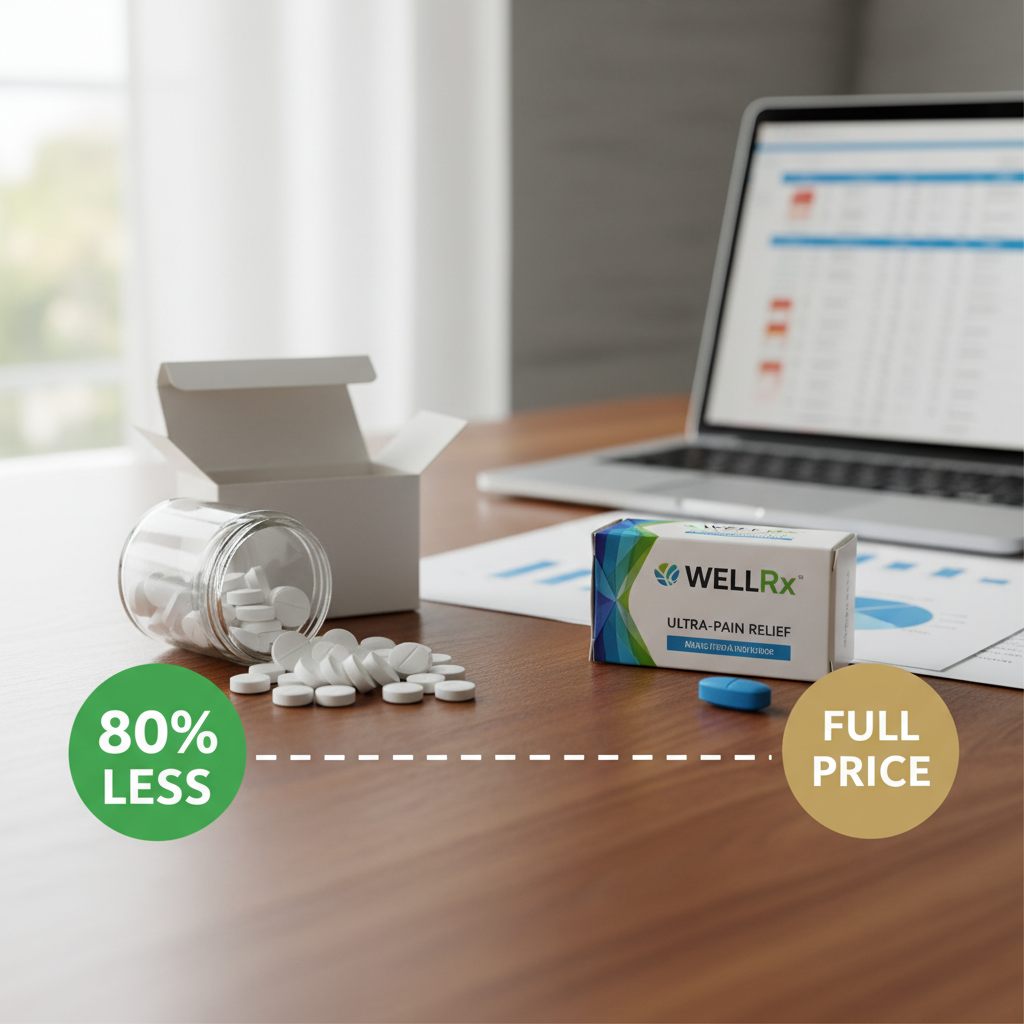
Generic medications contain identical active ingredients to their brand-name counterparts yet cost significantly less, creating one of healthcare's most accessible money-saving opportunities. Despite regulatory requirements that ensure therapeutic equivalence, many consumers remain hesitant to choose generics, often paying premium prices for chemically identical products. Understanding how generics work and why they're priced lower can transform medication expenses from a budget burden into manageable healthcare costs.
FDA Requirements Ensure Therapeutic Equivalence
Generic medications must meet stringent FDA standards proving they work identically to brand-name drugs in the human body. The active pharmaceutical ingredient, strength, dosage form, and route of administration must match the original exactly. Bioequivalence studies demonstrate that generic versions are absorbed and utilized by the body at the same rate and extent as brand names. These rigorous testing requirements mean generics deliver the same therapeutic effects, side effects, and safety profiles as their expensive counterparts.
Manufacturing Standards Mirror Brand-Name Production
Generic drug manufacturers operate under identical quality control standards as brand-name pharmaceutical companies. The same FDA inspections, current Good Manufacturing Practice regulations, and facility certifications apply regardless of whether a company produces Lipitor or its generic equivalent atorvastatin. Many generic medications are actually manufactured in the same facilities that produce brand-name drugs, using identical equipment and processes. Companies like Teva, Sandoz, and Mylan maintain manufacturing standards that rival those of Pfizer, Merck, and other major pharmaceutical brands.
Patent Expiration Creates Competition and Lower Prices
Brand-name drug patents typically last twenty years from the filing date, giving original manufacturers exclusive selling rights during this period. Once patents expire, generic manufacturers can produce chemically identical versions without the massive research and development costs that original companies invested. This competition drives prices down dramatically, as multiple companies vie for market share. Popular medications like omeprazole, which originally sold as Prilosec, now cost a fraction of the original price in generic form.
Insurance Coverage Favors Generic Options
Most health insurance plans incentivize generic medication use through tiered pricing structures that make generics significantly cheaper for patients. While brand-name drugs might require copays ranging from moderate to expensive amounts, generics often fall into the lowest tier with minimal out-of-pocket costs. Medicare Part D plans particularly favor generics, as do employer-sponsored health benefits that aim to control overall healthcare expenses. Pharmacy benefit managers negotiate better rates for generic medications, passing savings directly to consumers.
Quality Control Myths and Marketing Realities
Perceptions about generic quality often stem from pharmaceutical marketing rather than scientific evidence. Brand-name manufacturers invest heavily in advertising to maintain market share even after patent expiration, sometimes suggesting their products offer superior quality or effectiveness. However, FDA adverse event reporting shows no significant differences in safety profiles between generics and brand names for the same active ingredients. Inactive ingredients like fillers, dyes, or preservatives may vary slightly, but these differences rarely affect therapeutic outcomes or patient experiences.
Smart Strategies for Maximizing Generic Savings
You can maximize prescription savings by requesting generics from healthcare providers and pharmacists, even when brand names are initially prescribed. Ask your doctor to write "dispense as written" only when medically necessary, allowing pharmacists to substitute less expensive generic alternatives. Compare prices across different pharmacies, as generic pricing can vary significantly between chains like CVS, Walgreens, and independent pharmacies. Consider prescription discount programs like GoodRx or pharmacy membership programs that offer additional savings on generic medications. Always verify with your pharmacist that you're receiving the generic version when available, as automatic substitution policies vary by location.
Generic medications represent one of healthcare's most reliable cost-cutting opportunities without sacrificing quality or effectiveness. As more brand-name drugs lose patent protection and biosimilar alternatives enter the market, consumers will have even greater access to affordable medication options that deliver identical therapeutic benefits at fraction of the cost.