How to Experience Japan's Cherry Blossom Season Beyond Tokyo's Crowded Parks
Sarah Mitchell
02/18/2026
4 min read
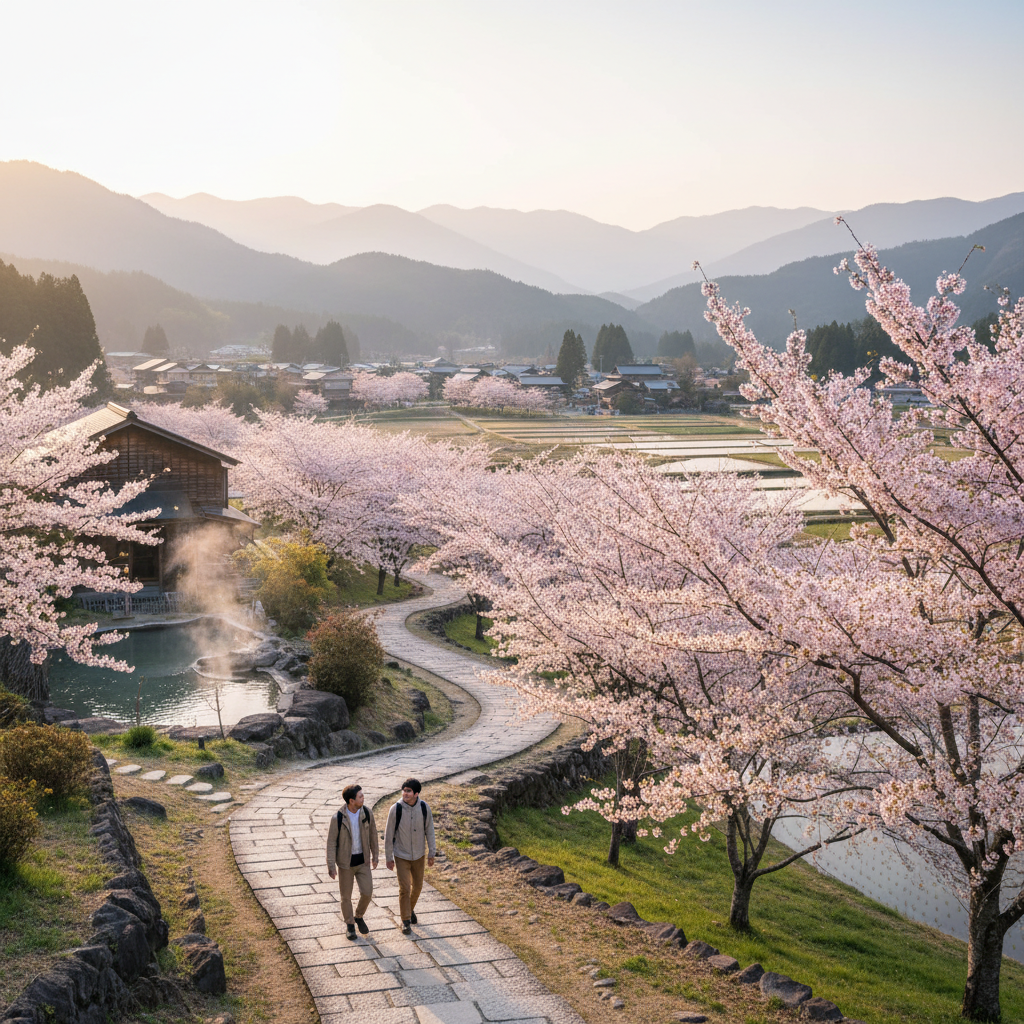
Every spring, millions of travelers descend upon Japan's capital to witness the ethereal beauty of sakura in full bloom, only to find themselves shoulder-to-shoulder with fellow admirers in Ueno Park and along the Chidorigafuchi moat. The ancient Japanese tradition of hanami—literally "flower viewing"—transforms into a logistical challenge when everyone seeks the same Instagram-worthy spots. Yet beyond Tokyo's well-trodden paths lies a Japan where cherry blossoms cascade over quiet temple grounds, frame rural train stations, and reflect in mountain lakes without the persistent hum of tour groups.
Discover Yoshino's Thirty Thousand Sacred Trees
Mount Yoshino in Nara Prefecture harbors Japan's most spectacular cherry blossom display, with over 30,000 sakura trees covering the mountainside in waves of pink and white. The UNESCO World Heritage site divides its blooming zones into four distinct elevations, creating an extended viewing season that begins in early April at the base and continues through late April at the summit. Ancient temples and shrines dot the mountain paths, including Kinpusen-ji Temple, where monks have practiced mountain asceticism for over a thousand years. The town of Yoshino offers traditional ryokan accommodations and cable car access, making this spiritual retreat accessible without sacrificing authenticity.
Follow the Philosopher's Path in Kyoto's Quieter Hours
Kyoto's Tetsugaku-no-michi, or Philosopher's Path, winds along a stone walkway beside a gentle canal lined with hundreds of cherry trees. While crowds gather during peak afternoon hours, early morning visits reveal the path's contemplative nature as petals drift across the water's surface in the soft dawn light. The two-kilometer route connects Ginkaku-ji (Silver Pavilion) with Nanzen-ji Temple, passing traditional tea houses, artisan workshops, and small Shinto shrines tucked between residential neighborhoods. Local residents often perform their morning exercises along the canal, creating an authentic glimpse of daily life beneath the blooming canopy.
Venture Into Shizuoka's Tea Country Blossoms
The rolling hills of Shizuoka Prefecture offer a unique hanami experience where cherry blossoms frame terraced green tea fields against the backdrop of Mount Fuji. The Kawazu area becomes famous for its early-blooming kawazu-zakura variety, which produces deep pink flowers from late January through early March, extending the sakura season well beyond the traditional April window. Local farmers welcome visitors to walk through their tea plantations, where cherry trees serve as natural windbreaks and the contrast between delicate blossoms and structured tea rows creates striking photographic opportunities. Traditional tea houses offer tastings of the region's finest sencha while overlooking this pastoral landscape.
Experience Hanami by Historic Steam Train
The JR Banetsu West Line through Fukushima Prefecture transforms into a moving hanami experience during peak bloom, as vintage steam locomotives pull passenger cars through tunnels of cherry blossoms between Aizu-Wakamatsu and Niitsu stations. The "SL Banetsu Monogatari" operates special sakura viewing services, allowing travelers to experience the romance of rail travel while cherry petals dance past the windows. Several stations along the route, particularly Tsugawa and Gosen, feature platform areas surrounded by mature sakura trees where the train makes extended photo stops. Local vendors sell regional specialties and hanami bento boxes designed specifically for train viewing.
Seek Solitude in Hokkaido's Late Spring
Hokkaido's northern climate delays cherry blossom season until late April and early May, offering travelers a second chance at hanami when the rest of Japan has moved past peak bloom. Matsumae Park features over 10,000 cherry trees representing more than 250 varieties, creating the longest blooming period in Japan as different cultivars flower in succession. The historic castle town atmosphere, combined with significantly fewer tourists than mainland destinations, provides an intimate setting for traditional hanami picnics beneath the branches. Hokkaido's cherry blossoms often coincide with other spring flowers, creating mixed displays of sakura, tulips, and azaleas.
Plan Your Alternative Sakura Journey
Timing becomes crucial when planning cherry blossom viewing outside Tokyo's predictable schedule. Regional bloom forecasts, available through the Japan Meteorological Agency and dedicated sakura tracking websites, help travelers coordinate their visits with peak flowering periods that can vary by weeks depending on elevation and latitude. Booking accommodations well in advance remains essential, as even lesser-known destinations experience increased demand during bloom periods. Consider purchasing regional rail passes for areas like the JR East Pass for Tohoku or the JR West Sanyo-San'in Pass, which provide economical access to multiple cherry blossom destinations within specific regions.
The most memorable hanami experiences often unfold in unexpected moments—discovering a single cherry tree reflected in a temple pond, sharing tea with strangers beneath falling petals, or watching dawn break over a mountain valley dressed in spring's most delicate colors. These quieter encounters with Japan's beloved sakura reveal why generations have found such profound meaning in the brief, beautiful cycle of cherry blossoms.