How Product Placement Height on Grocery Store Shelves Affects Pricing and Quality Perception
Jennifer Walsh
03/27/2026
3 min read
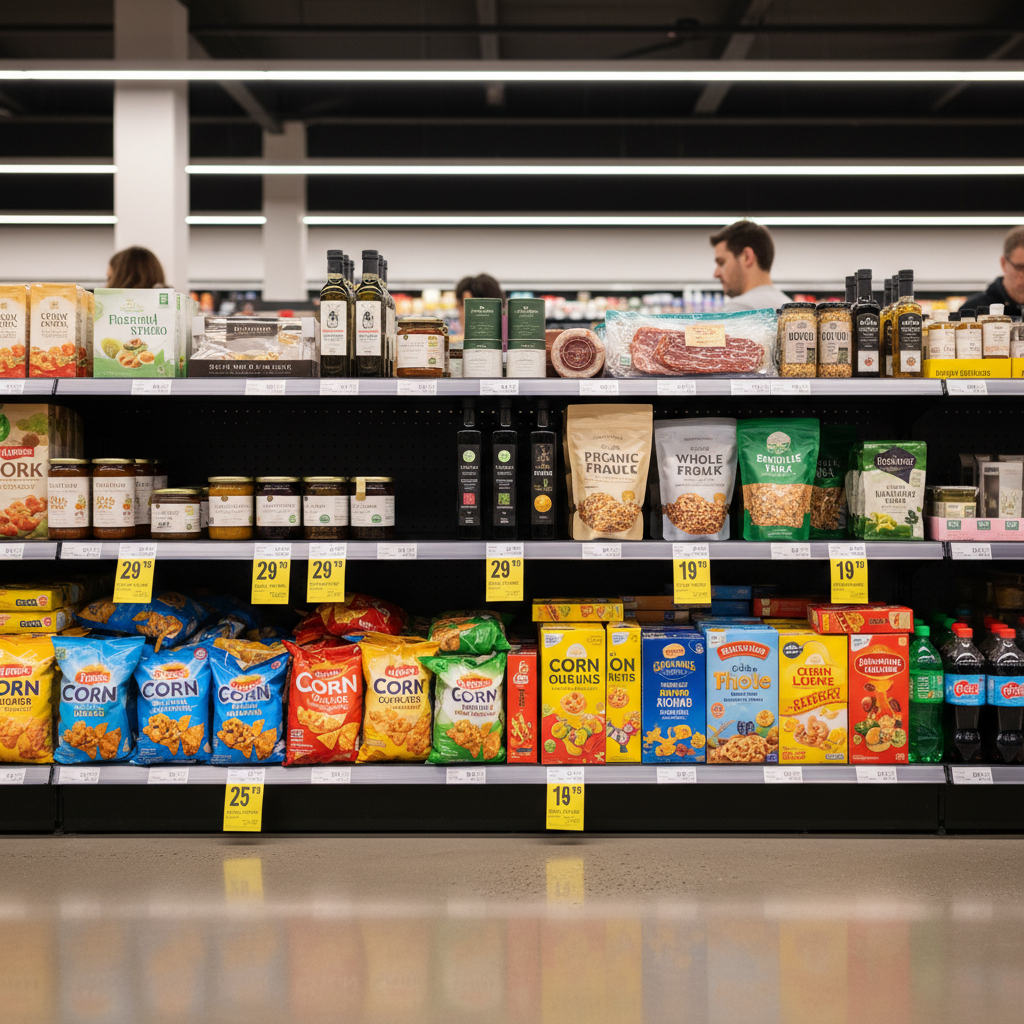
Grocery stores orchestrate every inch of their shelf space to influence what shoppers buy and how much they're willing to pay. The height at which products are positioned creates powerful psychological associations that can make identical items seem more premium or budget-friendly, regardless of their actual quality or value.
Eye-Level Equals Premium Perception
Products placed at adult eye level, typically between 5 and 6 feet high, command the highest prices and strongest quality assumptions from shoppers. This prime real estate, known as the "golden zone" in retail merchandising, houses brands willing to pay substantial slotting fees for the privilege. Major grocery chains like Kroger and Safeway charge manufacturers thousands of dollars per product per store for these coveted positions. The psychological impact is immediate and powerful—shoppers naturally assume that prominently displayed items represent the best quality available, even when comparing identical products from the same manufacturer.
The Children's Zone Creates Impulse Spending
Shelves positioned 2 to 4 feet from the ground target younger shoppers while simultaneously triggering parental spending decisions. Brightly colored cereals, snacks, and treats occupy this space deliberately, knowing that children's requests significantly influence family purchases. Retailers understand that products placed at child eye-level generate 23% more unplanned purchases compared to higher placements. This zone also houses smaller package sizes and single-serving options that carry higher per-unit costs but appear more affordable due to lower total prices. The strategy works because parents often choose the path of least resistance when managing shopping trips with children.
Bottom Shelf Bargains Hide Quality Options
The lowest shelves, often overlooked by hurried shoppers, frequently contain the best value propositions in any grocery category. Store brands and generic alternatives occupy much of this real estate, offering identical quality to name brands at 20-40% lower prices. Manufacturers of premium products sometimes place larger, family-sized packages on bottom shelves, creating better per-unit value for budget-conscious consumers willing to bend down and compare. Smart shoppers who make bottom-shelf scanning a habit consistently reduce their grocery bills without sacrificing quality. The physical inconvenience of crouching creates a natural barrier that retailers exploit to maintain higher margins on more visible products.
Top Shelf Psychology Signals Luxury
Products positioned above eye level often carry luxury positioning and premium price points that shoppers accept without question. Organic foods, specialty imports, and artisanal products frequently occupy these heights, benefiting from the psychological association between elevation and quality. Whole Foods and other upscale grocers use this principle extensively, placing their most expensive olive oils, vinegars, and gourmet items on the highest accessible shelves. The slight effort required to reach these products creates a subconscious feeling of exclusivity and specialness. Shoppers interpret the extra reach as evidence that they're selecting something superior, justifying higher prices even when comparable alternatives exist at lower levels.
Strategic Shopping Techniques for Smart Consumers
Once you understand shelf psychology, you can shop more strategically and save substantial money on groceries. Always scan the entire vertical space of each product category rather than grabbing the first item at eye level. Compare unit prices on shelf tags to identify the best values, which often hide on bottom shelves or high corners. Look for store brands placed below their name-brand equivalents—they're frequently manufactured by the same companies using identical recipes and quality standards. Pay attention to package sizing tricks, where smaller containers at eye level cost more per ounce than larger options positioned less conveniently. Bring a small step stool for shorter family members, or ask store employees to retrieve high-placed items when better deals await above your comfortable reach.
The Future of Retail Psychology
Grocery stores continue evolving their shelf strategies as consumer awareness grows and shopping patterns shift toward online purchasing. Smart shelving technology now allows real-time price adjustments and targeted promotions based on shopper demographics and purchasing history. Retailers are experimenting with transparent pricing strategies that clearly display savings comparisons, while others double down on psychological manipulation through increasingly sophisticated placement algorithms. Understanding these tactics helps consumers maintain control over their purchasing decisions and budgets in an environment designed to encourage impulse spending.