How Grocery Store Shelf Placement Psychology Drives Impulse Purchases and Strategic Shopping Techniques to Resist Manipulation
Jennifer Walsh
03/17/2026
4 min read
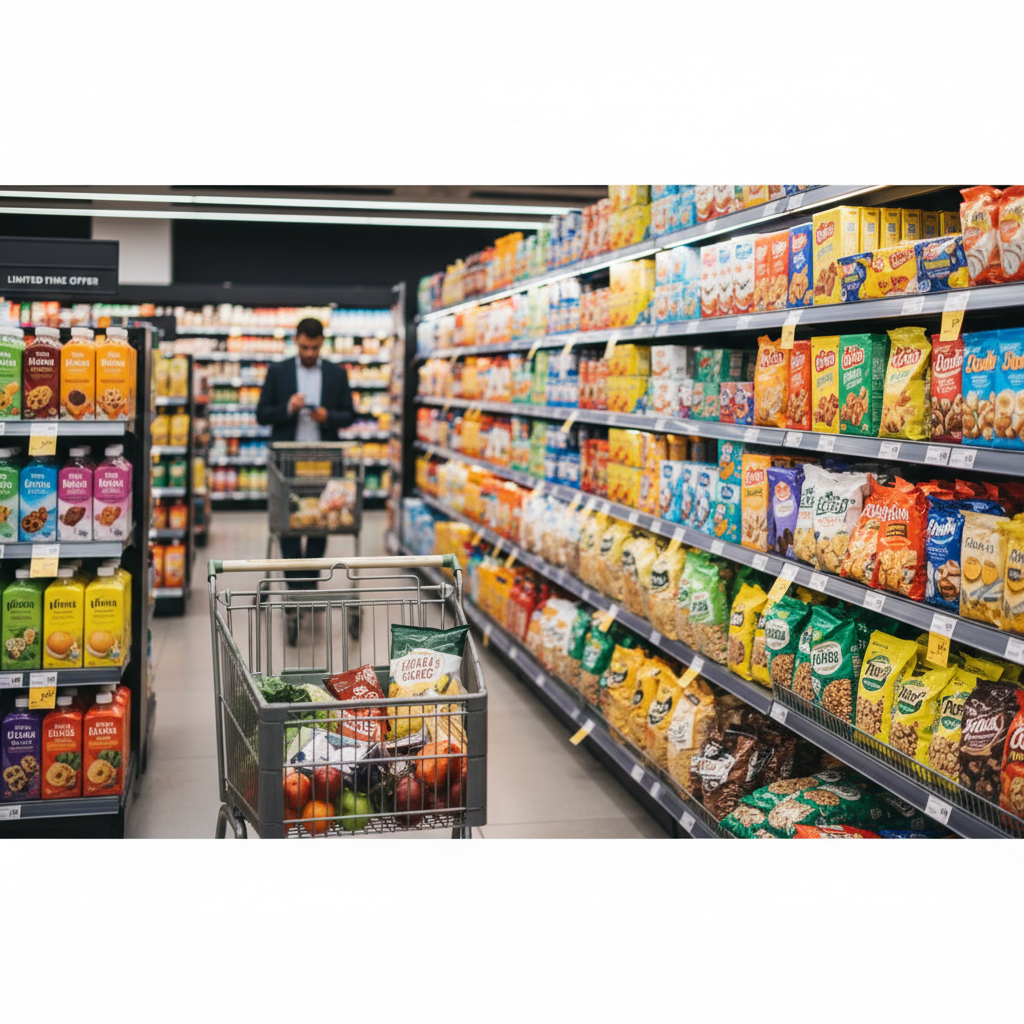
Grocery retailers spend millions studying how shoppers move through stores, where their eyes naturally fall, and which product placements generate the highest sales. Every aspect of store layout, from the width of aisles to the height of displays, reflects decades of behavioral research designed to maximize revenue per customer visit.
The average shopper makes roughly 60% of their purchasing decisions inside the store, not from a carefully planned list. This statistic drives grocery chains like Kroger, Walmart, and Target to invest heavily in merchandising psychology that influences these spontaneous choices.
Why Eye-Level Placement Commands Premium Prices?
Products positioned at eye level generate significantly higher sales than those placed above or below the average shopper's natural sight line. This prime real estate, known in the industry as the "bull's eye zone," typically costs manufacturers substantial fees to secure. Companies like General Mills and Unilever pay grocery chains premium placement fees because products at eye level sell three to four times more frequently than identical items placed on bottom shelves.
Children's cereals occupy lower shelves to align with young shoppers' eye levels during family shopping trips. Store planners calculate these heights based on demographic data about their typical customers. The manipulation extends beyond height to include colorful packaging and cartoon characters designed to capture attention at critical decision moments.
How Endcap Displays Create False Urgency?
Endcaps, the displays at the end of grocery aisles, psychologically signal special deals or limited-time offers to shoppers. Retailers stock these prominent positions with items that appear discounted but often carry regular or even inflated prices. The placement itself suggests value, triggering impulse purchases from customers who assume the prominent positioning indicates a genuine bargain.
Major chains like Safeway and Publix rotate endcap merchandise frequently to maintain the illusion of constantly changing deals. These displays typically feature seasonal items, new products, or overstocked inventory that stores need to move quickly. The psychological effect works so well that many shoppers grab endcap items without comparing prices to identical products within the aisles.
What Makes Checkout Lane Psychology So Effective?
The final moments before payment represent retailers' last opportunity to increase transaction totals through carefully curated impulse items. Checkout lanes stock small, inexpensive products that shoppers can justify as minor additions to larger grocery bills. Magazines, candy, travel-sized toiletries, and phone accessories cluster around registers because customers have time to browse while waiting in line.
Retailers like Whole Foods and Fresh Market design checkout areas to maximize browsing time through strategic queue layouts. The products chosen for these displays require minimal consideration – items priced under ten dollars that solve immediate problems or satisfy sudden cravings. This placement strategy capitalizes on decision fatigue that builds throughout shopping trips.
How Store Layout Guides Traffic Flow?
Grocery stores position essential items like milk, bread, and eggs in distant corners to force customers through maximum store sections during basic shopping trips. This strategic placement, called the "racetrack" layout, exposes shoppers to hundreds of additional products they hadn't planned to purchase. The produce section typically sits near the entrance because fresh fruits and vegetables create positive first impressions that put customers in a buying mood.
Stores deliberately place related items in separate sections to encourage multiple stops throughout the shopping journey. Salad dressings might sit far from lettuce, and tortillas could be aisles away from cheese and ground beef. Each additional stop increases the likelihood of unplanned purchases as customers encounter strategically placed temptations along their routes.
Which Counter-Strategies Actually Work for Smart Shoppers?
You can significantly reduce impulse purchases by shopping with a detailed list organized by store layout and sticking strictly to planned items. Write your list in the order you'll encounter products during your typical shopping route through your regular store. This preparation minimizes backtracking and reduces exposure to tempting displays designed to trigger unplanned spending.
Time your shopping trips for less crowded periods when you can move efficiently through the store without getting stuck in high-manipulation zones like checkout lines or busy aisles. Early morning or late evening shopping allows you to maintain focus on your planned purchases without fighting crowds or waiting in impulse-heavy checkout areas.
Shop the perimeter first for fresh items like produce, meat, and dairy, then tackle interior aisles systematically. This approach helps you secure necessary items before decision fatigue sets in and makes you more susceptible to marketing psychology. Use store apps or websites to check prices beforehand so endcap displays can't fool you with false urgency about supposed deals.
Grocery retailers continue evolving their psychological tactics through digital integration, personalized apps, and increasingly sophisticated customer tracking. Understanding these techniques helps shoppers maintain control over their purchasing decisions while still enjoying efficient, pleasant shopping experiences. Smart consumers who recognize these influence patterns can navigate stores strategically while staying within their budgets and buying only what they actually need.