How Shelf Height Shapes Your Perception of Price and Quality
Jennifer Walsh
03/27/2026
4 min read
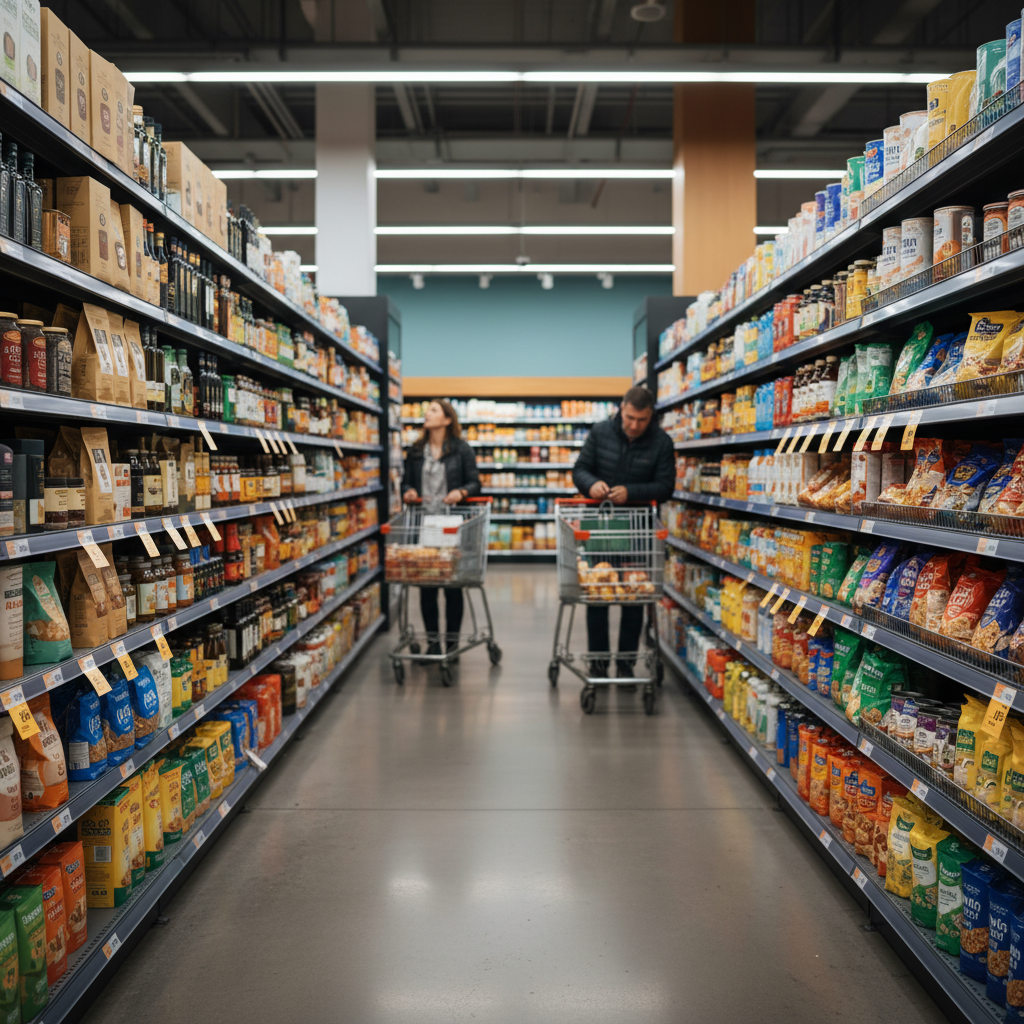
Grocery stores orchestrate every detail of product placement with surgical precision, and shelf height serves as one of their most powerful tools for influencing shopper behavior and spending patterns. The strategic positioning of products at eye level, waist height, or floor level creates unconscious associations about quality, value, and desirability that can dramatically affect purchasing decisions.
The Psychology of Eye-Level Premium Placement
Products positioned at eye level occupy the most coveted real estate in grocery aisles, and retailers charge premium placement fees that can reach thousands of dollars per store annually. This prime positioning creates an immediate assumption of quality and popularity among shoppers who naturally gravitate toward items within their direct line of sight. Major brands like Coca-Cola, Pepsi, and General Mills secure these spots not just for visibility, but because eye-level placement subconsciously communicates market leadership and trustworthiness. The psychological principle works so effectively that shoppers often perceive eye-level products as higher quality even when comparing identical items from the same manufacturer.
The Hidden Value Zone Below Eye Level
Products positioned on lower shelves frequently offer superior value propositions, yet shoppers consistently overlook these options due to their inconvenient placement. Store brands and generic alternatives typically occupy these lower positions, creating an artificial perception that they represent inferior quality when the reality often proves quite different. Target's Good & Gather line and Walmart's Great Value products demonstrate identical nutritional profiles and manufacturing standards to their name-brand counterparts positioned above them. This shelf psychology creates a pricing paradox where consumers pay premium prices for convenience and perceived status rather than actual product superiority.
Top Shelf Strategies and Impulse Positioning
The highest shelf positions serve dual purposes in retail psychology, housing both premium specialty products and items designed to trigger impulse purchases through curiosity. Gourmet and artisanal products occupy top shelves to reinforce their exclusive positioning, while everyday items placed at these heights often carry inflated profit margins that retailers hope shoppers won't notice. Children's cereals and snacks dominate top shelf real estate specifically because young shoppers must ask parents to reach these products, creating additional sales opportunities through persistence. This strategic placement transforms physical inconvenience into psychological value perception, making elevated products seem more desirable simply because they require extra effort to obtain.
The Floor Level Bargain Basement Effect
Products positioned at floor level face an uphill battle against consumer perceptions of inferior quality and discount positioning, regardless of their actual manufacturing standards or ingredient quality. Bulk items, large containers, and promotional products frequently occupy these lowest positions, creating associations with warehouse shopping and bargain hunting that can undermine brand perception. However, smart shoppers recognize that floor-level placement often indicates the best per-unit pricing available, particularly for household essentials like paper towels, cleaning supplies, and canned goods. The physical inconvenience of bending down creates a natural barrier that retailers exploit to maintain higher margins on more conveniently placed alternatives.
Strategic Shopping Techniques for Savvy Consumers
You can turn grocery store psychology to your advantage by systematically shopping from bottom to top rather than focusing solely on eye-level convenience. Start by checking floor-level options for bulk savings and generic alternatives that offer identical quality at significantly reduced prices. Compare unit prices across different shelf heights to identify where placement fees inflate costs without adding value. Look for store brands positioned below name-brand equivalents, as these products often originate from the same manufacturing facilities with identical specifications. Create shopping lists organized by actual needs rather than brand preferences, allowing you to evaluate options based on value rather than shelf psychology manipulation.
Reading Between the Shelves for Maximum Value
Develop a habit of scanning entire shelf sections vertically instead of shopping horizontally at eye level, as this approach reveals pricing patterns and quality comparisons that retailers prefer to keep hidden. Pay attention to promotional end caps and special displays, which often feature overstock items or products with approaching expiration dates at genuine discounts. Notice how organic and natural products occupy premium shelf positions despite varying quality levels within those categories, and compare ingredients rather than relying on placement cues for quality assessment.
Understanding shelf psychology empowers consumers to make purchasing decisions based on actual value rather than retailer manipulation techniques. As grocery shopping increasingly moves online and retailers experiment with personalized digital layouts, these physical placement strategies will likely evolve while maintaining their core purpose of influencing spending behavior through psychological positioning.