Transform Long Train Layovers Into Mini European City Adventures
Robert Kim
03/29/2026
4 min read
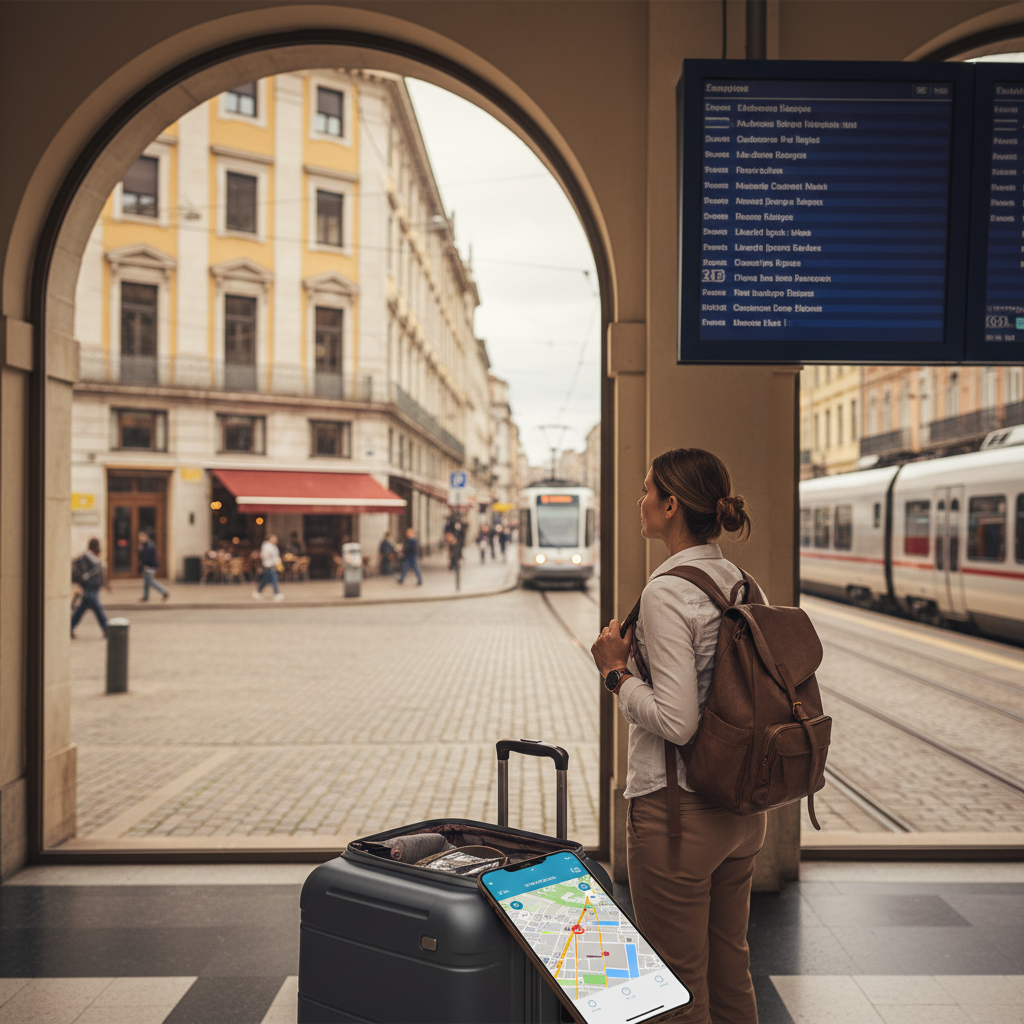
Those lengthy train connections between European cities often feel like dead time, but extended layovers actually unlock opportunities to explore major transportation hubs without paying for additional accommodation. Most European train stations sit in city centers, making quick urban adventures surprisingly feasible during 4+ hour connections.
Map Your Distance From the Station First
Before stepping off your connecting train, check how far the city center extends from the station. Major hubs like Amsterdam Centraal, Berlin Hauptbahnhof, and Madrid Atocha place you within walking distance of significant attractions. Download offline maps that work without international data, and identify a 1-2 mile radius you can realistically cover on foot. This preliminary research prevents you from wandering aimlessly and ensures you can return with time to spare for your next departure.
Store Luggage to Move Freely Through the City
Dragging suitcases through cobblestone streets kills the spontaneity of layover exploration. Most major European stations offer luggage storage services, either traditional staffed counters or modern automated lockers that accept contactless payments. Expect to pay 3-8 euros for several hours of storage, which easily justifies itself through increased mobility and comfort. Frankfurt Hauptbahnhof and Zurich Hauptbahnhof have particularly reliable storage systems that operate extended hours, matching early morning and late evening train schedules.
Plan Your Return Journey Before You Leave
European train stations can be maze-like during peak hours, especially if you're unfamiliar with the layout. Before heading into the city, walk through your return route and note platform numbers, departure boards, and any construction or service disruptions. Take photos of key directional signs and identify multiple entry points back to the station. This advance preparation becomes crucial when you're tired from exploring and potentially dealing with crowds during your return rush.
Target Walking-Distance Neighborhoods Over Tourist Hotspots
Skip the attractions that require subway rides or taxi transfers, and instead focus on areas immediately surrounding the station. Brussels Central puts you steps away from the Royal Quarter and traditional bistros. Vienna Hauptbahnhof connects easily to the Belvedere district with its baroque architecture and local cafes. These neighborhoods often provide more authentic experiences than crowded tourist zones, and the shorter travel times leave more opportunity for leisurely exploration without watching the clock constantly.
Build Buffer Time That Accounts for Delays
European trains generally run on schedule, but strikes, weather, and mechanical issues can create unexpected delays in your city exploration. Plan to return to the station at least 45 minutes before your departure, giving yourself time to retrieve luggage, find your platform, and handle any surprises. This buffer also prevents the stress of rushing, which can turn a pleasant mini-adventure into an anxiety-inducing sprint through unfamiliar streets back to your connection.
Pack Light Essentials in a Day Bag
Even with luggage storage, carry a small backpack with water, snacks, your phone charger, and any medications you might need during extended walking. Include a portable battery pack since you'll likely use your phone heavily for navigation, photos, and translation apps. Keep your passport and train tickets in an easily accessible but secure pocket, as some European cities require ID for certain activities, and you'll need quick access to your boarding documents when returning to the station.
Research Local Food Markets Near Major Stations
Train station areas often feature excellent food markets that showcase regional specialties without the markup of tourist-focused restaurants. Munich Hauptbahnhof sits near the Viktualienmarkt, while Lyon Part-Dieu provides access to traditional bouchons and local food halls. These markets offer affordable meals, local atmosphere, and the flexibility to eat quickly if your schedule tightens. Many vendors accept contactless payments, eliminating the need to manage unfamiliar currency during short visits.
Download Translation Apps Before You Need Them
Language barriers can slow down your exploration and create confusion when asking for directions back to the station. Download offline translation apps like Google Translate before your trip, ensuring they work without internet connectivity. Learn basic phrases for asking directions to the train station in the local language, and save the station name in your phone's notes with correct local spelling. Having these tools ready reduces stress and helps you navigate interactions with locals more confidently.
Long layovers will become increasingly common as European rail networks expand and integrate, offering more connecting routes through major hubs. These brief urban explorations often become trip highlights, providing unexpected cultural immersion between planned destinations.