Transform Long Train Layovers Into Free European City Adventures
Robert Kim
03/29/2026
4 min read
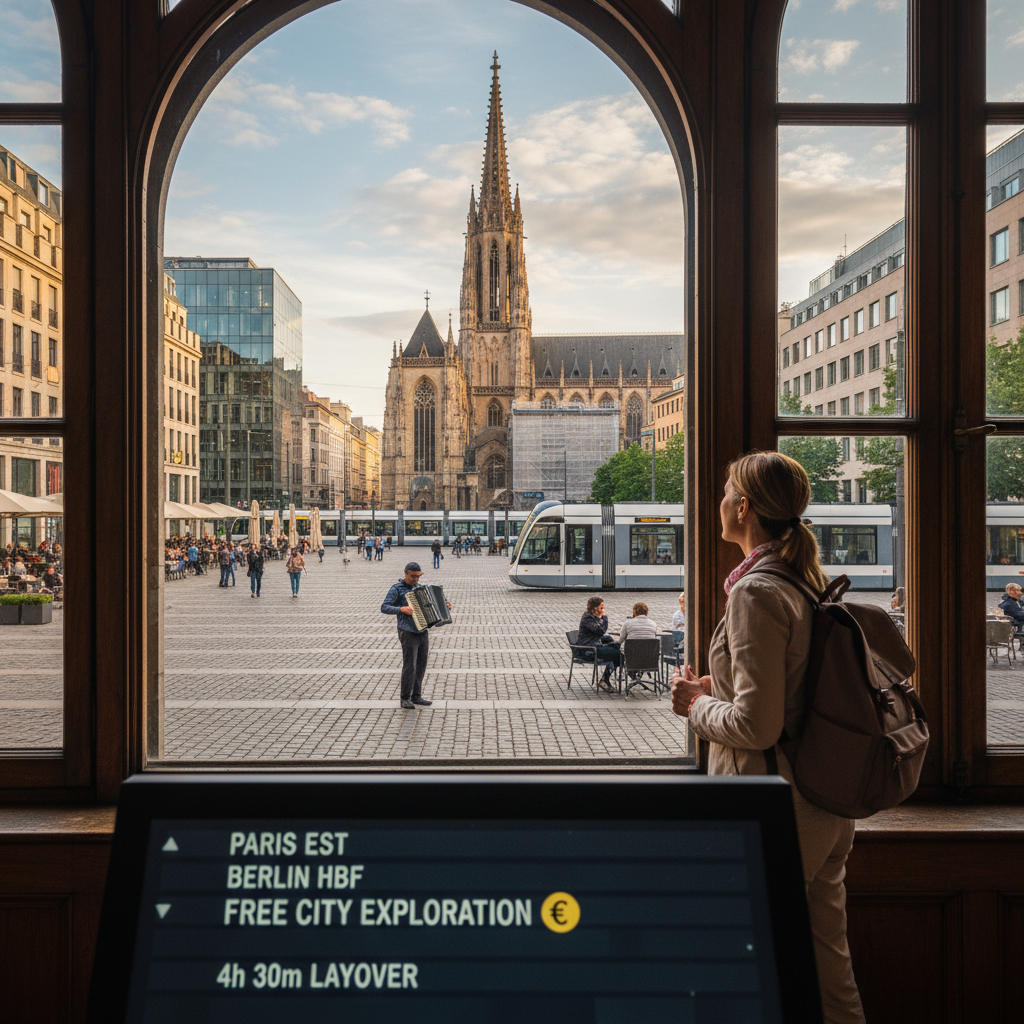
Extended train layovers feel like dead time, but major European rail hubs offer perfect launching pads for spontaneous city exploration. Four-hour connections that initially seem inconvenient transform into opportunities to experience world-class destinations without hotel costs or additional transportation expenses.
Store Your Luggage Before Venturing Out
Most European train stations provide secure luggage storage facilities that cost between 3-8 euros for several hours. Amsterdam Centraal, Berlin Hauptbahnhof, and Paris Gare du Nord feature both traditional lockers and staffed storage counters that accommodate oversized bags. Download the Bounce app to locate nearby luggage storage options in local shops and hotels when station facilities reach capacity. Traveling light with just essentials allows greater mobility and reduces security concerns while exploring unfamiliar neighborhoods.
Plan Walking Routes From Central Stations
European cities deliberately position main train stations within walking distance of historic centers and major attractions. From Brussels Central, you can reach Grand Place in twelve minutes on foot, while Milan Centrale connects to Duomo via a twenty-minute metro ride. Frankfurt Hauptbahnhof sits just fifteen minutes from the historic Römerberg square through pedestrian-friendly streets. Use offline maps like Maps.me to pre-download walking routes that work without international data, and prioritize destinations clustered within a thirty-minute radius of your departure station.
Target Attractions With Flexible Timing
Choose sights that don't require advance reservations or specific entry times during short layovers. Public squares, outdoor markets, and architectural landmarks provide immediate cultural immersion without scheduling constraints. Barcelona's Gothic Quarter, Vienna's Naschmarkt, and Prague's Old Town Square offer authentic local experiences that adapt to your available timeframe. Museums and guided tours create unnecessary pressure during brief visits, while street-level exploration reveals city character through casual wandering and spontaneous discoveries.
Calculate Return Time With Safety Buffers
Build generous cushions into your exploration schedule by working backward from departure times. International connections typically require thirty to forty-five minutes for security checks and platform changes, while domestic transfers need fifteen to twenty minutes. Factor in walking time from your furthest destination back to the station, plus potential delays from crowds or navigation errors. Set phone alarms for multiple checkpoints throughout your adventure, and consider purchasing flexible tickets that accommodate schedule changes without hefty rebooking fees.
Master Local Transportation Passes
Many cities offer short-term transit passes perfect for layover exploration that cost less than individual tickets. Amsterdam's GVB day pass, Berlin's AB zone ticket, and Rome's integrated transit card provide unlimited access to buses, trams, and metros within city centers. Purchase these passes directly at station kiosks using contactless payment methods that work internationally. Local transportation extends your exploration radius significantly, allowing visits to neighborhoods and attractions beyond comfortable walking distance from the train station.
Embrace Food Markets and Street Vendors
European train stations and surrounding areas feature exceptional food markets that provide authentic culinary experiences without restaurant time commitments. Munich's Viktualienmarkt, Lyon's Les Halles de Lyon, and Copenhagen's Torvehallerne offer regional specialties perfect for mobile dining during exploration. Street food and market vendors accept cash universally, eliminating concerns about international card processing fees. These venues also provide natural gathering spots where you can observe local culture while refueling for continued sightseeing.
Research Station-Specific Departure Procedures
European stations vary dramatically in their boarding processes and platform accessibility requirements. Some locations like London St. Pancras require passport control and security screening similar to airports, while others allow platform access until minutes before departure. Zurich Hauptbahnhof and Vienna Hauptbahnhof display track assignments thirty minutes early, whereas Italian stations often announce platform changes just ten minutes prior to boarding. Download your rail carrier's official app for real-time updates and departure notifications that prevent missed connections due to last-minute changes.
Keep Essential Documents Easily Accessible
Organize travel documents in a secure but readily available format that streamlines station re-entry and boarding processes. Keep physical tickets, passport, and emergency cash in a dedicated travel wallet separate from your exploration money and cards. Photograph important documents and store copies in offline-accessible apps like Google Drive or Dropbox in case originals are misplaced during sightseeing. European border controls can appear unexpectedly even on domestic routes, making proper documentation essential for smooth transitions between exploration and onward travel.
Long layovers increasingly become strategic opportunities rather than travel inconveniences as European rail networks expand and cities enhance their walkable infrastructure. The growing integration between transportation hubs and urban centers makes spontaneous exploration more accessible and rewarding for travelers willing to venture beyond station waiting areas.