How meal timing affects hormone regulation and sustained energy levels throughout your workday
Emily Rodriguez
04/07/2026
4 min read
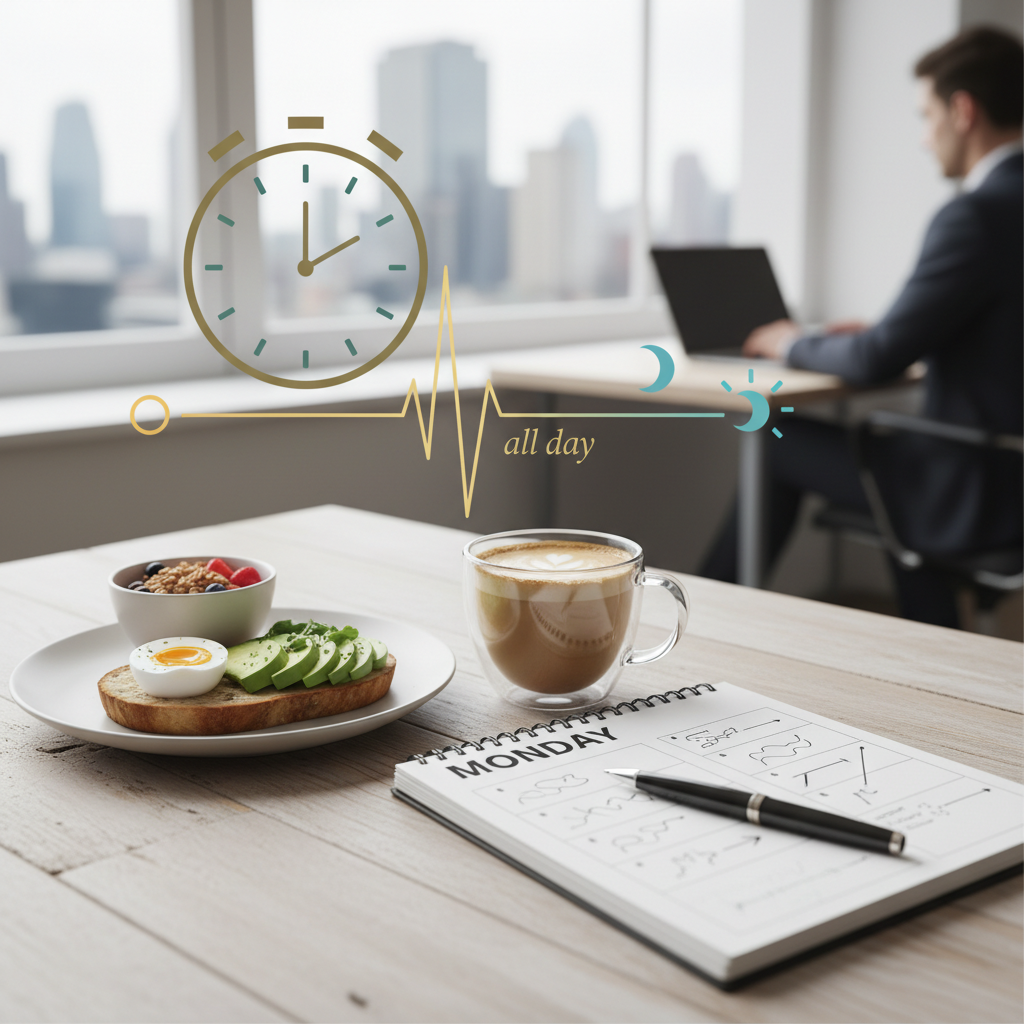
Energy crashes at 2 PM, afternoon brain fog, and that mid-morning slump aren't just inevitable parts of your workday. These familiar struggles often stem from meal timing patterns that work against your body's natural hormone cycles rather than supporting them.
Your body operates on sophisticated hormonal rhythms that respond directly to when and what you eat. Insulin, cortisol, and ghrelin fluctuate throughout the day in predictable patterns, and strategic meal timing can work with these cycles to maintain steady energy and sharp mental focus from morning until evening.
Start Your Day Within Two Hours of Waking
Your cortisol levels peak naturally in the morning, preparing your body for the day ahead. Eating within two hours of waking helps regulate this cortisol response and prevents mid-morning energy crashes. A protein-rich breakfast triggers steady insulin release while supporting sustained blood sugar levels. Skip breakfast, and you'll likely experience energy swings as cortisol remains elevated and hunger hormones spike unpredictably. Companies like Thrive Market and Whole Foods stock convenient protein options like Greek yogurt, eggs, and nut butters that support this morning hormone balance.
Time Your Largest Meal for Peak Digestive Efficiency
Your digestive system operates most efficiently between 10 AM and 2 PM when digestive enzymes reach their peak production. This window aligns with your body's natural insulin sensitivity, meaning you'll process nutrients more effectively and avoid the energy dips that come from taxing your system during less optimal times. Planning your largest, most complex meal during this period supports steady afternoon energy levels. Your evening meals can then be lighter, supporting better sleep quality and next-day hormone regulation.
Create Consistent Meal Spacing of Four to Five Hours
Regular meal intervals help stabilize ghrelin and leptin, your primary hunger and satiety hormones. Spacing meals four to five hours apart allows insulin levels to return to baseline between eating periods, preventing the hormone rollercoaster that leads to energy crashes and cravings. This timing also supports your body's natural circadian rhythms. Apps like MyFitnessPal and Cronometer can help you track meal timing patterns until this spacing becomes automatic. Consistency matters more than perfection – aim for the same general eating windows each day.
Stop Eating Three Hours Before Bedtime
Late-night eating disrupts multiple hormone cycles that affect next-day energy levels. Insulin elevation close to bedtime interferes with growth hormone release during sleep, which is crucial for overnight recovery and morning energy. Additionally, active digestion can raise your core body temperature, making it harder to achieve the temperature drop needed for deep sleep. Restaurants like Chipotle and Sweetgreen offer earlier dinner options that support this three-hour window, helping you maintain social eating while protecting your hormone cycles.
Include Protein at Every Meal for Stable Blood Sugar
Protein triggers the most stable insulin response compared to carbohydrates and fats, preventing the blood sugar spikes and crashes that drain your energy. Each meal should include at least 20-30 grams of protein to support steady hormone signaling throughout your workday. This approach also helps regulate ghrelin, keeping hunger levels predictable rather than overwhelming. Quality protein sources from brands like Applegate, Vital Proteins, and Simply Organic provide convenient options for busy workdays when meal prep time is limited.
Schedule Strategic Snacks When Needed
Not everyone needs snacks, but if your workday extends longer than five hours between meals, strategic snacking prevents hormone disruption. The key is choosing combinations that support rather than spike insulin levels – pairing protein with fiber-rich carbohydrates creates steady energy release. Think apple slices with almond butter or vegetables with hummus. Avoid isolated carbohydrates or sugary snacks that create the hormone swings you're trying to prevent. Timing matters: aim for snacks midway between meals rather than close to eating periods.
Hydrate Consistently to Support Hormone Transport
Hormones travel through your bloodstream, and even mild dehydration affects their efficient transport and signaling. Consistent hydration throughout your workday supports optimal hormone function and prevents the fatigue that comes from sluggish circulation. Water needs vary by individual, but maintaining steady intake rather than playing catch-up prevents the stress response that elevates cortisol unnecessarily. Companies like Hydro Flask and Nalgene make it easier to track intake, while apps like WaterMinder provide gentle reminders to maintain consistency.
Consider Your Individual Chronotype for Optimal Timing
Your natural circadian rhythm affects how your body responds to food at different times. Morning types often function best with earlier, larger meals, while evening types may need different timing strategies to feel their best during traditional work hours. Pay attention to when you naturally feel most hungry and energetic – these patterns often align with your optimal meal timing. Platforms like Oura Ring and Fitbit track sleep and activity patterns that can help you identify your personal chronotype and adjust meal timing accordingly.
Understanding how meal timing affects your hormones provides a powerful tool for maintaining consistent energy and focus throughout your workday. Small adjustments to when you eat often produce more noticeable improvements than dramatic changes to what you eat, making this one of the most practical approaches to supporting your body's natural energy systems.