How Meal Timing Affects Hormone Regulation and Sustained Energy Throughout Your Workday
Emily Rodriguez
04/07/2026
4 min read
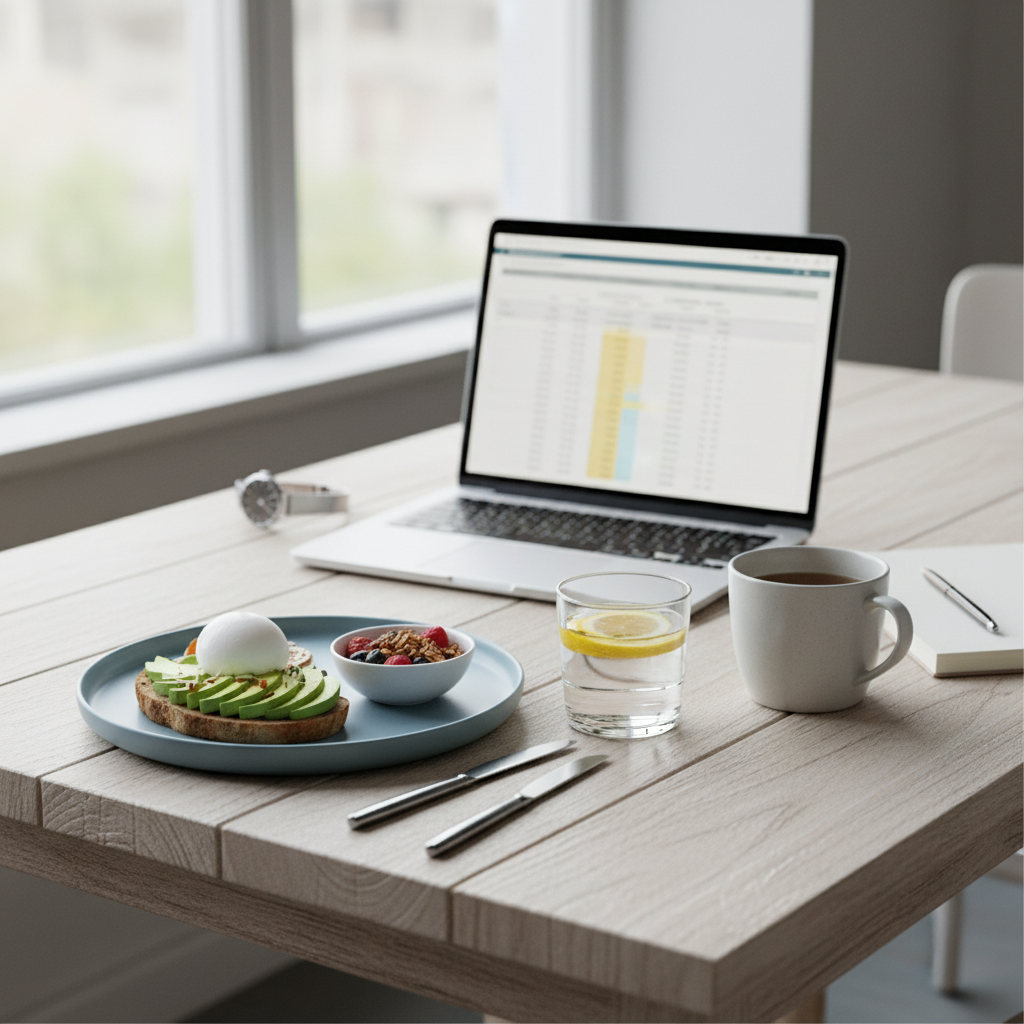
Your energy crashes at 3 PM despite eating lunch, you feel sluggish after morning meetings, or you reach for a third cup of coffee just to power through the afternoon. These patterns aren't character flaws — they're often the result of misaligned meal timing that disrupts your body's natural hormone rhythms.
The timing of your meals influences cortisol, insulin, and blood sugar patterns more significantly than many people realize. When you eat affects how efficiently your body processes nutrients, maintains steady energy levels, and supports cognitive function during demanding work periods. Small adjustments to when you consume food can transform how you feel and perform throughout your professional day.
Align Your First Meal With Natural Cortisol Patterns
Eating within two hours of waking helps stabilize cortisol levels that naturally peak in the early morning. Your body expects fuel when stress hormones are highest, and skipping this window can lead to sustained cortisol elevation throughout the day. This creates afternoon energy dips and makes it harder to wind down in the evening. Focus on protein-rich options like Greek yogurt with nuts, eggs with vegetables, or a smoothie containing protein powder. These choices provide amino acids that support neurotransmitter production while preventing the blood sugar spikes that refined carbohydrates can cause.
Schedule Protein Intake Every Four Hours
Consistent protein timing maintains steady amino acid availability in your bloodstream, which supports stable energy production and hormone synthesis. Aim for 20-30 grams of protein every four hours rather than loading most of your protein into dinner. This approach keeps your metabolism active and prevents the energy valleys that occur when blood sugar drops between meals. Consider options like hummus with vegetables, a handful of almonds, or a small portion of leftover chicken. The key is consistency rather than perfection — your body responds better to regular fuel than sporadic large meals.
Time Your Largest Meal for Mid-Day Energy Demands
Eating your most substantial meal between 12 PM and 2 PM aligns with your body's natural insulin sensitivity patterns and digestive capacity. Your metabolism operates most efficiently during these hours, making it easier to process complex carbohydrates and larger portions without experiencing the sluggishness that often follows heavy evening meals. This timing also supports better sleep quality since your digestive system won't be working overtime when you're trying to rest. Include a balance of lean protein, healthy fats, and complex carbohydrates to sustain energy through your afternoon responsibilities.
Avoid Eating Within Three Hours of Bedtime
Late evening meals disrupt melatonin production and growth hormone release, both crucial for recovery and next-day energy levels. When your digestive system is active during sleep hours, it competes with restorative processes that repair tissues and consolidate memory. This interference shows up as morning grogginess and difficulty maintaining focus during early work tasks. If you must eat late due to schedule constraints, choose easily digestible options like a small portion of yogurt or a banana with a tablespoon of almond butter. These provide nutrients without overwhelming your system.
Use Strategic Snacking to Bridge Energy Gaps
Well-timed snacks prevent the blood sugar drops that trigger cravings and mental fatigue. The most effective snacks combine protein and fiber, such as apple slices with peanut butter or carrots with hummus. These combinations slow glucose absorption and provide sustained energy rather than quick spikes followed by crashes. Timing matters more than the specific food — eating small amounts between meals maintains steady fuel availability. Companies like KIND and RXBAR offer convenient options that travel well and don't require refrigeration.
Coordinate Caffeine Intake With Natural Energy Rhythms
Caffeine works most effectively when timed with your body's natural adenosine patterns rather than against them. Consuming coffee or tea between 9:30 AM and 11:30 AM, then again between 1:30 PM and 3:30 PM, aligns with periods when alertness naturally dips. Avoid caffeine immediately upon waking when cortisol is already elevated — this can create jittery feelings and interfere with your natural wake-up process. Similarly, cutting off caffeine intake six hours before bedtime prevents sleep disruption that affects next-day energy levels.
Match Meal Size to Activity Levels
Adjusting portion sizes based on your upcoming activities optimizes energy utilization and prevents post-meal lethargy. Eat larger portions before periods of high mental or physical demand, and choose lighter options when you'll be sedentary for extended periods. This approach prevents the drowsiness that occurs when blood flow is diverted to digestion during low-activity times. For example, if you have back-to-back meetings all afternoon, opt for a moderate lunch that won't leave you struggling to stay alert.
Create Consistent Eating Windows
Maintaining regular meal times helps synchronize your circadian rhythms and stabilizes hormone production patterns. Your body begins preparing for food intake at predictable times when you eat consistently, improving digestion efficiency and nutrient absorption. This regularity also supports better sleep patterns since your internal clock relies on multiple cues, including meal timing, to maintain proper cycling. Apps like MyFitnessPal can help track timing patterns until they become habitual.
As research continues to reveal the connections between meal timing and metabolic health, expect to see more personalized nutrition approaches that consider individual chronotypes and work schedules. The fundamental principle remains consistent: aligning your eating patterns with your body's natural rhythms creates sustainable energy and better overall well-being throughout your working life.