Mediterranean Shoulder Season Travel Delivers Perfect Weather and Authentic Island Experiences
Sarah Mitchell
03/28/2026
4 min read
The blazing August sun beats down mercilessly on packed beaches while cruise ship passengers jostle for space at every scenic overlook, transforming the Mediterranean's pristine islands into crowded theme parks. This scene repeats across Santorini, Mykonos, and the French Riviera each summer, where temperatures soar past comfortable levels and authentic local culture gets buried under layers of tourist infrastructure. Yet experienced travelers have discovered a secret hiding in plain sight: the Mediterranean's shoulder seasons of late spring and early fall offer everything summer promises, minus the overwhelming crowds and oppressive heat.
The Sweet Spot Climate Window
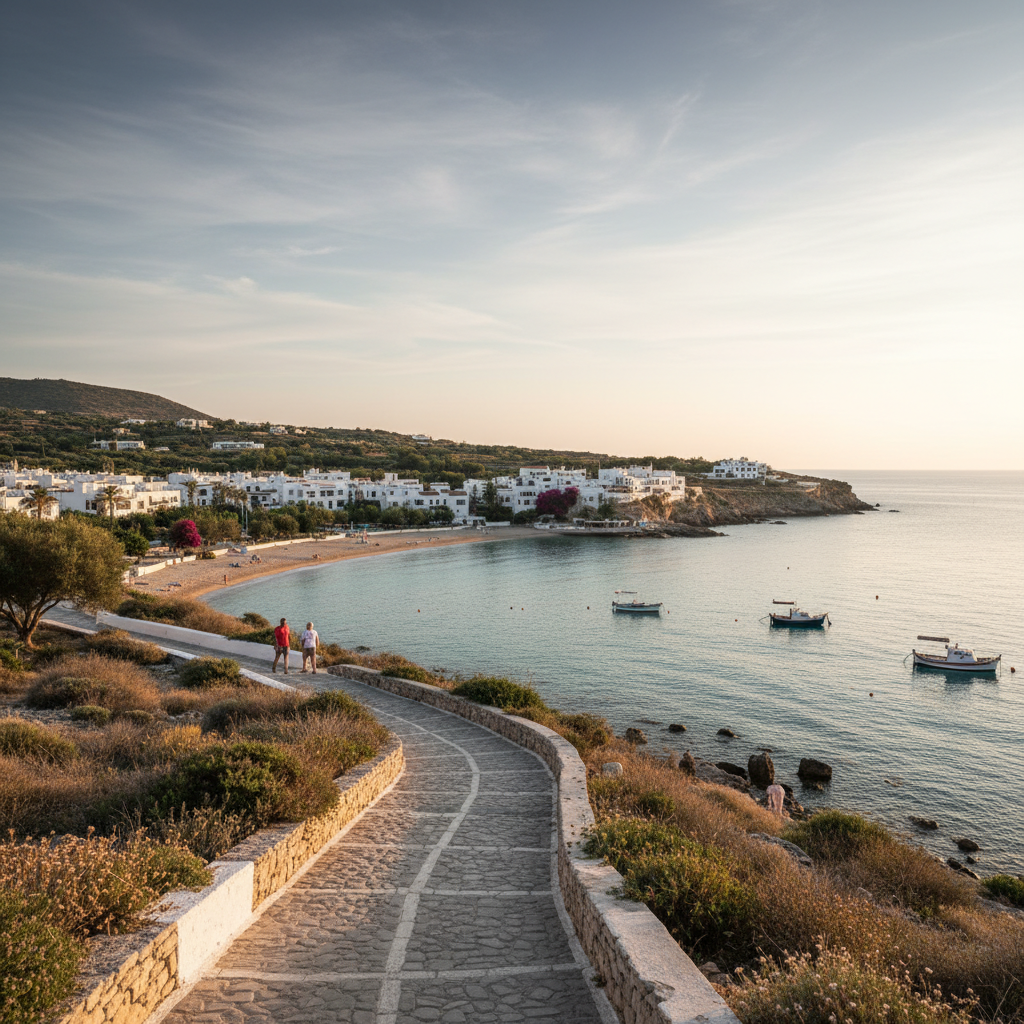
Mediterranean shoulder seasons span roughly from mid-April through early June and September through mid-October, delivering what many consider ideal travel conditions. Temperatures during these periods hover between 68-78°F, perfect for both beach lounging and exploring hillside villages without breaking into a sweat. The notorious meltemi winds that plague Greek islands in summer calm to gentle breezes, while the sea remains warm enough for swimming well into October thanks to months of accumulated heat.
Rainfall patterns work in travelers' favor during shoulder seasons, with brief, refreshing showers that clear quickly rather than the bone-dry conditions that leave landscapes parched by late summer. The golden light photographers prize becomes more accessible throughout the day instead of being confined to the harsh shadows of peak summer hours. Islands like Cyprus and Malta experience their most pleasant weather during these transitional months, when humidity drops and the relentless intensity of summer heat gives way to comfortable warmth.
Cultural Authenticity Returns to Island Life
Local rhythms reassert themselves once the summer tourist tsunami recedes, revealing the authentic character that draws people to these islands in the first place. Restaurants reopen their kitchens to serve traditional dishes instead of tourist-friendly international fare, while tavernas become gathering places for locals rather than photo opportunities for visitors. Fishermen return to morning routines undisturbed by crowds, and you'll witness the genuine daily life that summer tourism often obscures.
Shoulder season timing aligns perfectly with local festivals and celebrations that locals schedule around their own preferences rather than tourist calendars. Grape harvest festivals across Greek islands and wine regions of Sicily occur in September and October, offering authentic cultural experiences impossible to replicate during peak season. Religious celebrations and traditional feast days emerge from the shadows of summer commercialization, providing glimpses into island life that have remained unchanged for generations. The pace slows enough for meaningful conversations with locals who have time to share stories rather than rushing to accommodate endless waves of summer visitors.
Practical Advantages and Cost Savings
Accommodations drop dramatically in price during shoulder seasons while often maintaining the same service levels as peak periods. Boutique hotels and luxury resorts that command premium rates in July and August become accessible to broader budgets, frequently offering the same rooms at 40-60% lower rates. Airlines follow similar patterns, with flights to Mediterranean destinations costing significantly less than summer peak pricing while offering better availability and more convenient scheduling options.
Booking platforms like Airbnb and Vrbo show their greatest variety during shoulder seasons, as properties reserved for summer-long rentals become available for shorter stays. Restaurant reservations become possible again, eliminating the frustration of being turned away from coveted dining spots that remain booked solid throughout summer months. Popular hiking trails and archaeological sites regain their contemplative atmosphere when visitors can explore without competing for space or rushing through due to overwhelming heat.
Apps like Rome2Rio and Omio become more useful during shoulder seasons as transportation options expand beyond the limited, overcrowded services that characterize summer travel. Ferry schedules offer more flexibility while maintaining frequent connections between islands, and car rentals become both more available and affordable. Travel planning apps such as TripIt can better optimize itineraries when attractions operate normal hours rather than the extended but crowded schedules they maintain during peak season.
The Mediterranean's shoulder seasons represent travel at its finest, combining optimal weather conditions with authentic cultural experiences and practical advantages that enhance rather than complicate the journey. These transitional months offer the rare combination of warm seas, comfortable temperatures, and islands that feel lived-in rather than performed, creating memories rooted in genuine discovery rather than managed tourist experiences. Consider marking your calendar for these golden windows when the Mediterranean reveals its true character to those wise enough to avoid the summer stampede.