How Exposure to Natural Sunlight During Lunch Breaks Regulates Vitamin D Production and Afternoon Energy Levels
Marcus Chen
04/21/2026
4 min read
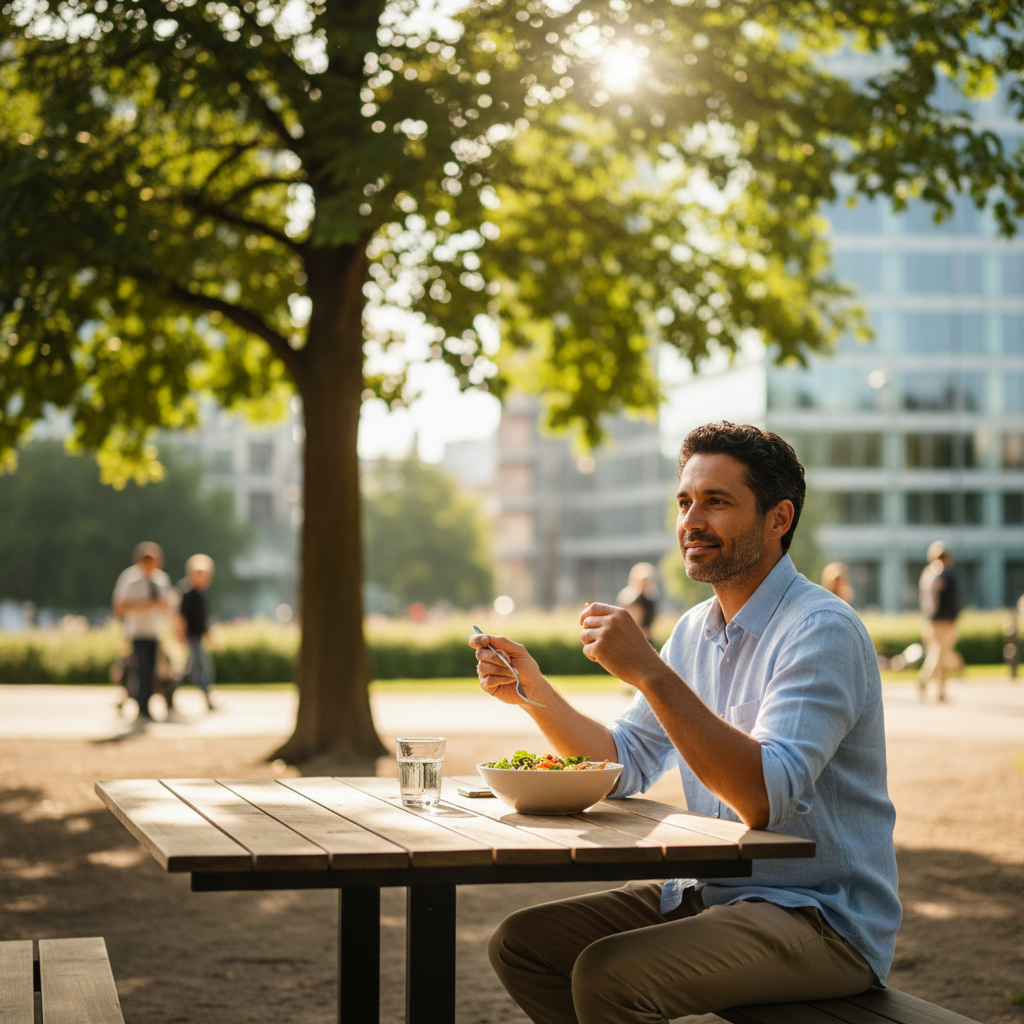
Your afternoon energy crash doesn't have to be inevitable. While most people blame their post-lunch slump on heavy meals or natural circadian dips, the real culprit might be simpler: too little natural sunlight exposure during the day.
Spending your lunch break indoors under fluorescent lights robs your body of crucial sunlight that regulates both vitamin D synthesis and energy-sustaining hormones. The good news is that strategic sunlight exposure during your midday break can transform your afternoon productivity and overall well-being.
Step Outside Within Your First 15 Minutes
Start your lunch break by immediately heading outdoors, even if you plan to eat inside later. Your body's vitamin D production peaks when the sun is highest, typically between 11 AM and 1 PM. Even a brief 10-15 minute walk around the building or sitting on an outdoor bench gives your skin the UVB exposure needed to kickstart vitamin D synthesis. This early sunlight exposure also signals your brain to reduce melatonin production, keeping you alert for the afternoon ahead.
Find Consistent Outdoor Lunch Spots
Identify three reliable outdoor locations near your workplace where you can spend at least 20-30 minutes. Whether it's a nearby park, plaza, or even your company's parking lot, having predetermined spots removes the decision fatigue of where to go. Companies like Google and Apple have invested heavily in outdoor workspace areas specifically because they understand the productivity benefits of natural light exposure. Consistency in location also helps you build a sustainable routine that sticks even during busy periods.
Expose Arms and Face for Optimal Absorption
Your body produces vitamin D most efficiently when larger skin areas receive direct sunlight. Roll up sleeves and avoid wearing sunglasses for the first 10-15 minutes to allow your face and arms maximum UVB exposure. People with darker skin tones need approximately 3-6 times longer sun exposure than those with lighter skin to produce equivalent vitamin D levels. If you work in a conservative office environment, consider keeping a short-sleeved shirt at your desk specifically for lunch breaks.
Time Your Exposure Based on Season
Winter months require longer outdoor exposure periods because the sun's angle reduces UVB intensity. During December through February, aim for 30-45 minutes outside compared to just 15-20 minutes in summer months. Cities like Seattle or Portland see significantly less winter sunshine, making consistent daily exposure even more critical. Track sunset times throughout the year and adjust your lunch timing accordingly to maximize the available natural light window.
Combine Movement with Sun Exposure
Walking while getting sunlight doubles the energy-boosting benefits by increasing circulation and oxygen flow to your brain. A 20-minute walk in natural light stimulates both vitamin D production and endorphin release, creating sustained energy that lasts well into the evening. Popular lunch-break destinations like Central Park in New York or Golden Gate Park in San Francisco offer perfect combinations of green space and sunlight. Even urban environments with limited green space provide sufficient light exposure when you keep moving.
Monitor Your Afternoon Energy Patterns
Track how your energy levels change during the first week of consistent outdoor lunch breaks. Most people notice improved focus and reduced fatigue within 3-5 days of regular sunlight exposure. Note specific times when you typically experience energy dips and compare them to your new routine. Apps like Daylio or even simple phone notes can help you identify patterns and fine-tune your outdoor timing for maximum afternoon productivity.
Adjust for Weather Without Abandoning the Routine
Cloudy days still provide beneficial natural light, though UVB levels decrease significantly. During overcast conditions, extend your outdoor time to 30-40 minutes and focus on areas with the brightest available light. Light rain or snow shouldn't completely derail your routine - covered outdoor areas like building overhangs or gazebos still offer dramatically more natural light than indoor spaces. The key is maintaining consistency rather than perfect conditions.
Plan Light Meals That Support Energy
Heavy, carb-dense lunches counteract the energy benefits of sunlight exposure by triggering blood sugar spikes and crashes. Opt for protein-rich meals with healthy fats that provide steady energy release throughout the afternoon. Portable options like Greek yogurt with nuts, turkey wraps, or quinoa salads work well for outdoor eating. Many urban areas now feature healthy food trucks near business districts, making nutritious outdoor dining more convenient than ever.
The science behind sunlight's impact on energy regulation continues evolving, with researchers discovering new connections between vitamin D levels, circadian rhythms, and cognitive performance. As more companies recognize these benefits, expect to see increased workplace policies supporting outdoor breaks and natural light access throughout the traditional workday.