How Exposure to Natural Sunlight During Lunch Breaks Regulates Vitamin D Production and Afternoon Energy Levels
Marcus Chen
04/21/2026
4 min read

That familiar afternoon slump hits harder when you've spent the entire morning under fluorescent office lighting. Your energy crashes around 2 PM, your focus wavers, and you find yourself reaching for another cup of coffee or an energy drink to power through the rest of your workday.
The solution might be simpler than you think. Getting natural sunlight exposure during your lunch break can transform both your vitamin D production and your afternoon energy levels. This daily habit works by resetting your circadian rhythm, supporting hormone regulation, and providing essential vitamin D synthesis that your body craves.
Start with Just 15 Minutes of Direct Sunlight
You don't need to spend your entire lunch break outdoors to see benefits. Begin with 15 minutes of direct sunlight exposure between 11 AM and 2 PM when UVB rays are strongest for vitamin D production. Remove sunglasses and allow natural light to reach your eyes, which helps regulate melatonin and cortisol production. This brief exposure signals your circadian system that it's midday, preventing the natural dip in alertness that typically occurs in early afternoon.
Choose Outdoor Lunch Spots Over Indoor Break Rooms
Swap your usual indoor lunch routine for outdoor alternatives. Many office buildings have patios, courtyards, or nearby parks like Bryant Park in Manhattan or Rittenhouse Square in Philadelphia. Even eating at an outdoor café or food truck provides significantly more natural light exposure than indoor dining. The combination of fresh air, natural light, and a change of scenery helps reduce stress hormones while supporting vitamin D synthesis.
Walk During Your Lunch Hour Instead of Sitting
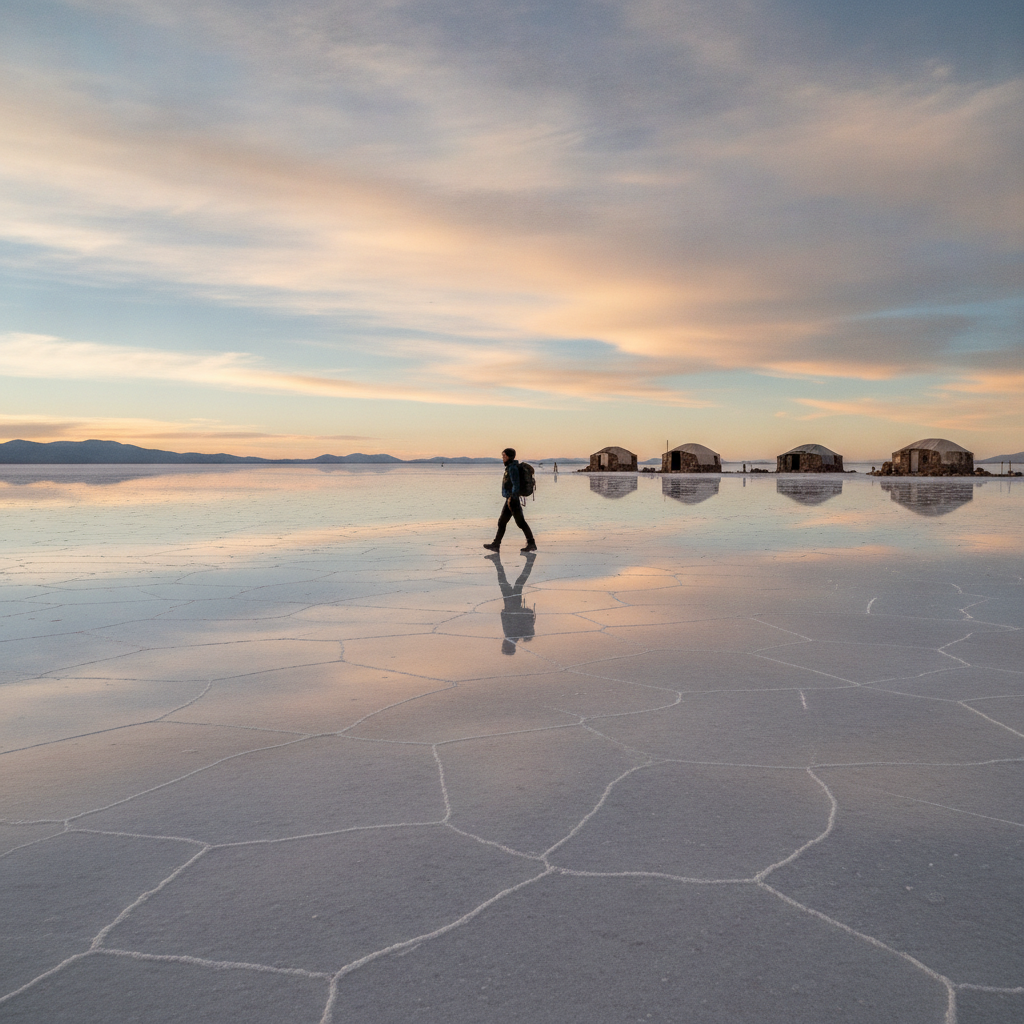
Combine sunlight exposure with gentle movement by taking walking meetings or solo walks during lunch. Walking outdoors for 20-30 minutes provides optimal vitamin D production while boosting circulation and mental clarity. The rhythm of walking paired with natural light exposure helps regulate your internal clock more effectively than static sun exposure. This combination consistently improves afternoon focus and energy levels.
Position Yourself Near Windows When Outdoor Access Is Limited
When weather or work constraints prevent outdoor lunch breaks, sit as close to windows as possible. While window glass blocks most UVB rays needed for vitamin D production, natural light still helps regulate circadian rhythm and mood. Large corporate campuses like those at Google or Microsoft often feature floor-to-ceiling windows in their cafeterias specifically to maximize natural light exposure for employees during meal breaks.
Time Your Lunch Break for Peak Vitamin D Production
Schedule your lunch break between 11 AM and 1 PM when the sun's angle provides optimal UVB radiation for vitamin D synthesis. This timing also aligns with your body's natural cortisol decline, making sunlight exposure more effective for afternoon energy regulation. People with darker skin tones may need slightly longer exposure times, while those with fair skin should start with shorter durations to prevent burning while still gaining benefits.
Gradually Increase Exposure Time Based on Skin Type
Build your tolerance slowly to prevent sunburn while maximizing vitamin D production. Fair-skinned individuals should start with 10-15 minutes and gradually increase to 20 minutes over several weeks. Darker skin tones can often handle 20-30 minutes initially. The goal is slight pinkness that fades within a few hours, indicating optimal vitamin D synthesis without skin damage. This approach ensures consistent afternoon energy benefits without health risks.
Track Your Energy Patterns After Lunch
Monitor how your afternoon energy levels change after implementing regular sunlight exposure during lunch. Most people notice improved alertness within the first week, with more sustained energy lasting until evening. Keep notes in apps like Apple Health or Fitbit about your energy levels, sleep quality, and mood changes. This data helps you fine-tune your sunlight exposure timing and duration for maximum benefit.
Supplement Strategically During Winter Months
When seasonal changes reduce available sunlight, consider vitamin D3 supplements while maintaining outdoor lunch habits when possible. Even winter sunlight provides circadian rhythm benefits, though vitamin D production decreases significantly. Combining brief outdoor exposure with targeted supplementation maintains the energy regulation benefits you've established during sunnier months.
As remote work and indoor lifestyles become more common, the importance of intentional sunlight exposure continues to grow. Simple changes to your lunch routine can provide lasting improvements to your daily energy patterns and overall well-being, making your afternoons more productive and enjoyable.