How Off-Peak Train Travel in Europe Costs 60% Less Than Flying While Offering Superior Scenery and City-Center Convenience
Robert Kim
03/18/2026
5 min read
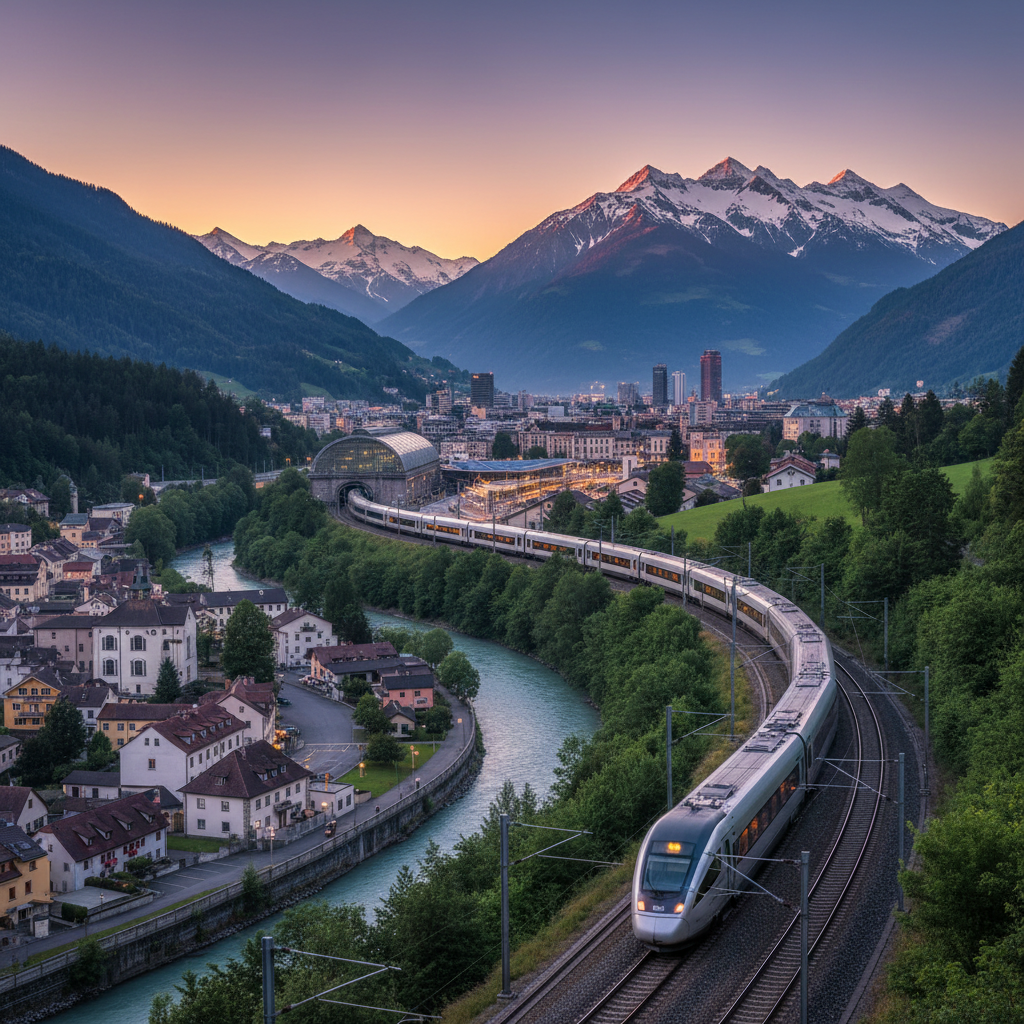
European train networks offer travelers a compelling financial and experiential advantage over air travel, with off-peak journeys routinely costing 60% less than flights while delivering passengers directly to city centers. This cost differential becomes even more pronounced when you factor in airport transfers, baggage fees, and the time value of avoiding lengthy security procedures.
The numbers speak clearly: while a last-minute flight from Paris to Barcelona might cost €180-250, an off-peak train ticket on the same route typically runs €60-90. Beyond pure economics, rail travel transforms the journey itself into part of the vacation experience rather than an obstacle to endure.
Book Advance Off-Peak Tickets for Maximum Savings
European rail operators release their best fares 3-4 months in advance, with dramatic price differences between peak and off-peak travel times. Mid-morning departures (10 AM - 2 PM) and early evening trains (after 7 PM) offer the deepest discounts compared to rush-hour services. Deutsche Bahn's Super Sparpreis tickets can cost as little as €19 for long-distance routes when booked early, while SNCF Connect offers similar advance purchase discounts across France. Weekend travel generally costs more than weekday journeys, particularly on Friday evenings and Sunday afternoons when business travelers dominate the passenger mix.
Compare Multi-Country Rail Passes Against Point-to-Point Tickets
Eurail passes work best for travelers visiting 4+ countries over 15+ days, but point-to-point tickets often cost less for shorter trips or single-country travel. The Eurail Global Pass costs around €280 for 5 days within one month, which breaks even if your individual tickets would total more than that amount. Regional passes like the German Rail Pass or France Rail Pass provide better value for country-specific travel. Calculate your planned routes individually before committing to a pass, since advance-purchase tickets for specific trains frequently undercut pass prices, especially during off-peak periods when operators slash fares to fill seats.
Target Tuesday and Wednesday Departures for Lowest Fares
Mid-week travel delivers the most significant savings on European rail networks, with Tuesday and Wednesday typically offering fares 30-40% lower than weekend departures. Business travelers concentrate their trips Monday through Thursday mornings and Friday afternoons, creating pricing opportunities for leisure travelers who can travel during off-peak windows. Trenitalia's economy fares drop most dramatically on Tuesday and Wednesday, while Renfe's AVE high-speed trains in Spain show similar patterns. Even popular routes like London to Paris via Eurostar offer substantial mid-week discounts, particularly for late morning or early afternoon departures that avoid business rush periods.
Use Split-Ticketing Strategies on Longer Routes
Breaking longer journeys into separate tickets can reduce total costs by 20-30%, particularly on routes crossing multiple countries or rail networks. A journey from Amsterdam to Rome might cost less when booked as Amsterdam-Munich and Munich-Rome segments rather than a single through ticket. Split-ticketing works best on routes with major connection hubs like Frankfurt, Munich, or Lyon where multiple train operators compete. Apps like Trainline automatically suggest split-ticket options, though booking directly with each operator often provides additional savings. This strategy requires staying on the same train or allowing sufficient connection time between segments.
Choose Regional Trains Over High-Speed Services When Time Permits
Regional and intercity trains cost 40-60% less than high-speed services while offering equally comfortable seating and often superior scenery viewing. The journey from Nice to Monaco takes 45 minutes on regional TER trains for €4, compared to €25+ on faster services that save only 15 minutes. Germany's regional trains connect major cities at fraction of ICE high-speed costs, with the added benefit of no seat reservations required. Italy's regional trains provide access to smaller towns and countryside views that high-speed routes bypass entirely, making the slower pace part of the travel experience rather than an inconvenience.
Pack Light to Avoid Airline Baggage Fees and Restrictions
Train travel eliminates baggage fees and weight restrictions that can add €50-100 to flight costs, while allowing you to bring liquids, food, and oversized items without penalty. European trains accommodate large suitcases, bicycles, and ski equipment without additional charges, unlike airlines that nickel-and-dime travelers for checked bags and sporting gear. You can board with multiple bags, full-sized toiletries, and meals purchased outside the station, creating significant savings compared to airport food courts and liquid restrictions. This freedom extends to bringing regional wines, local specialties, and gifts that would be prohibited or expensive to ship home from airport shops.
Leverage City-Center Arrival Points to Skip Transfer Costs
Train stations sit in downtown cores while airports require expensive transfers that can add €15-40 each way to your total transportation costs. London's St. Pancras International places you steps from the British Museum, while Charles de Gaulle Airport requires €10+ and 45+ minutes to reach central Paris. Milan's Centrale station connects directly to the metro system, eliminating the €8 Malpensa Express fee plus subway costs from the airport. Barcelona's Sants station provides immediate access to the Gothic Quarter and Las Ramblas, while Barcelona Airport necessitates a €5.90 Aerobus ride plus potential taxi costs for final destination access.
Take Advantage of Onboard Amenities That Airlines Charge Extra For
European trains include WiFi, power outlets, spacious seating, and often restaurant cars in their base fares, while airlines charge separately for seat selection, meals, and connectivity. First-class train upgrades cost €10-30 compared to business class flight premiums of €200-500, yet provide similar comfort levels with larger windows and quieter environments. You can walk around freely, work productively with reliable internet, and enjoy panoramic views of the Alps, Tuscan hills, or Rhine Valley that no airplane window can match. Many routes offer observation cars or panoramic coaches specifically designed for sightseeing, turning transportation into entertainment without additional fees.
The European rail renaissance continues gaining momentum as operators invest in new rolling stock, expanded routes, and integrated booking systems. Night train services are returning to popular routes, offering sleeper accommodations that save hotel costs while covering long distances overnight, further expanding the economic advantages of rail travel over flying.