How Off-Peak Train Travel in Europe Costs 60% Less Than Flying While Offering Superior Scenery and City-Center Convenience
Marcus Chen
03/18/2026
5 min read
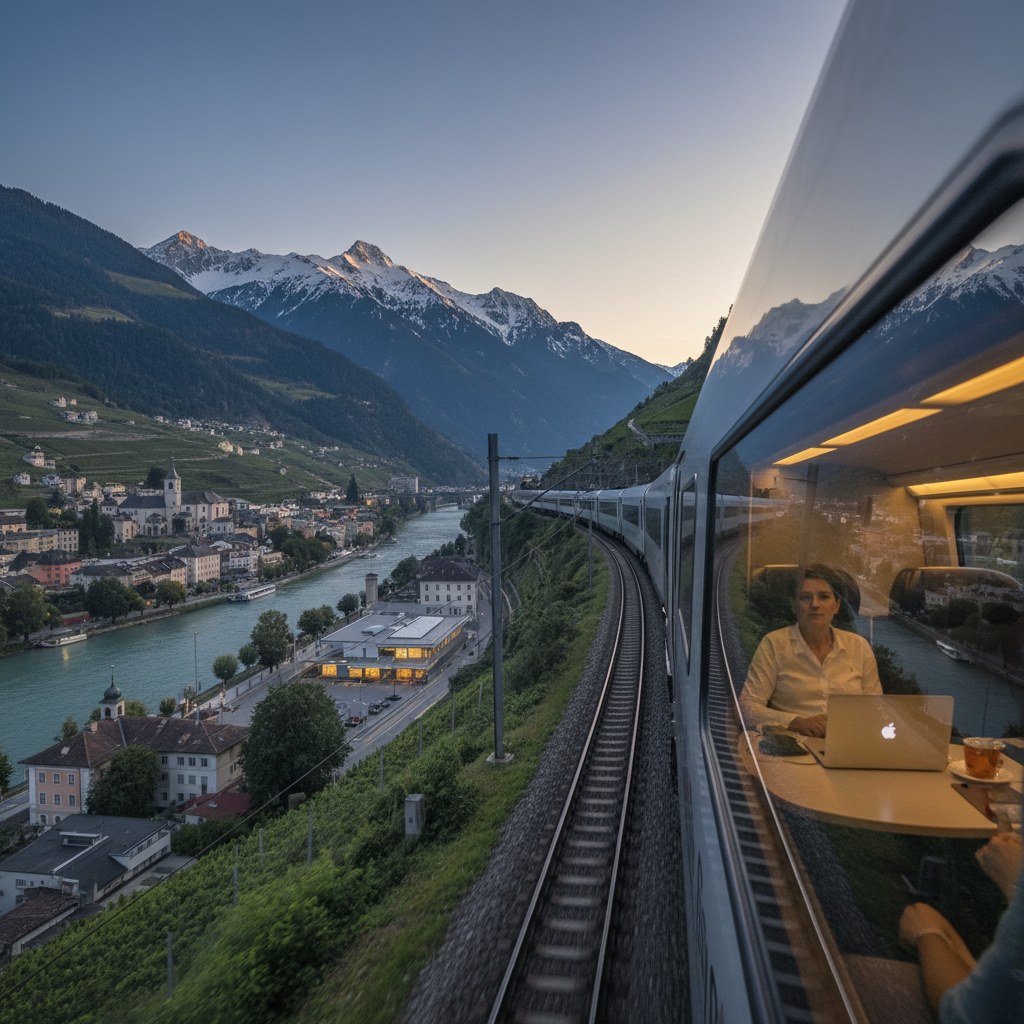
European train travel during off-peak periods consistently costs 60% less than comparable flights while delivering travelers directly to city centers with expansive scenic views throughout the journey. Airlines charge premium prices during peak travel months and holidays, while European rail operators like Deutsche Bahn, SNCF, and Trenitalia offer significant discounts for advance bookings and flexible travel dates.
You can transform expensive European vacations into budget-friendly adventures by understanding when and how to book discounted train tickets. The savings extend beyond transportation costs, as train stations position you within walking distance of major attractions, eliminating expensive airport transfers and taxi rides.
Book Advance Tickets During Shoulder Season Windows
European rail operators release discounted advance tickets 3-4 months before departure dates, with the steepest savings available for travel between late September and early November, plus mid-January through March. Deutsche Bahn's Super Sparpreis fares can cost as little as €19 for cross-border routes that would cost €200 by air during peak season. SNCF offers similar Prem's tickets for high-speed TGV routes, while Trenitalia provides Super Economy fares on their Frecciarossa services. These advance purchase tickets typically require specific train reservations but deliver savings of 40-70% compared to flexible fares.
Choose Flexible Regional Routes Over High-Speed Direct Services
Regional trains and slower intercity services cost significantly less than high-speed rail options while offering more frequent departures and flexible ticketing. A journey from Munich to Vienna takes 4.5 hours on regional trains for €35 compared to €89 on the express railjet service. You'll see more countryside, small towns, and local life through the larger windows of regional trains. These routes also allow hop-on, hop-off exploration with Eurail passes or regional day tickets, turning transportation into sightseeing opportunities rather than rushed point-to-point transfers.
Target Tuesday and Wednesday Departures for Maximum Savings
Mid-week train departures cost 30-50% less than weekend travel across all European rail networks. Business travelers dominate Monday and Friday routes, while weekend leisure demand drives premium pricing. Tuesday and Wednesday represent the lowest-demand travel days, resulting in abundant availability and reduced fares. This pricing pattern remains consistent year-round, making mid-week departures your most reliable strategy for affordable rail travel. Airlines typically charge uniform pricing regardless of departure day, giving trains a significant mid-week advantage.
Leverage City-Center Arrival Points to Eliminate Transfer Costs
European train stations position you directly within historic city centers, eliminating the €30-60 airport transfer costs that airlines don't include in ticket prices. London's St. Pancras International, Paris Gare du Nord, and Rome Termini place you within walking distance of major attractions and hotel districts. Airport connections require additional time, money, and logistics planning that train travel eliminates entirely. Many European airports sit 20-45 minutes outside city centers, while train stations occupy prime downtown real estate. This convenience factor adds substantial hidden value to train ticket purchases beyond the base fare comparison.
Maximize Scenic Route Selection for Added Value
Certain European train routes deliver world-class scenery that justifies the journey as entertainment itself, adding recreational value beyond transportation. The Glacier Express through Swiss Alps, regional trains along Germany's Rhine Valley, and coastal routes through Cinque Terre provide sightseeing experiences that cost €50-100 as standalone tours. Flying eliminates landscape viewing entirely, while trains position you at ground level with panoramic windows designed for scenery appreciation. Route planning around scenic sections transforms necessary transportation into vacation highlights, effectively reducing your overall entertainment budget.
Combine Overnight Train Options to Replace Hotel Stays
Overnight train services across Europe eliminate hotel costs while covering long distances during sleep hours, doubling your transportation savings. The ÖBB Nightjet network connects major cities like Vienna, Munich, Berlin, and Rome with sleeper compartments starting at €29 for couchette beds. These services replace both transportation and accommodation expenses, while flights require airport hotels for early departures or late arrivals. Modern sleeper trains include shower facilities, dining cars, and comfortable bedding that rivals mid-range hotel quality. A Vienna to Rome overnight journey costs less than separate flight and hotel bookings while maximizing your daytime sightseeing hours.
Monitor Flash Sales and Last-Minute Deals Through Rail Apps
European rail operators release unsold inventory through mobile apps and websites 1-7 days before departure, offering last-minute deals for flexible travelers. The DB Navigator app, SNCF Connect, and Omio platform aggregate these flash sales across multiple carriers. Last-minute flight deals rarely materialize for European routes due to consistent business demand, while trains offer more variable pricing based on actual seat utilization. These deals work best for spontaneous travel plans and can deliver savings of 50-80% below standard fares. Setting price alerts through these platforms notifies you when target routes drop to your desired price range.
Plan Multi-City Itineraries Using Regional Rail Passes
Eurail passes and national rail passes become cost-effective for multi-destination trips spanning 4+ cities within 2-3 weeks, especially when combined with off-peak travel timing. A 15-day Eurail pass costs €498 and covers unlimited travel across 33 countries, while equivalent flights between 5-6 European cities would cost €800-1200 during off-peak periods. These passes include regional trains, metros in some cities, and ferry connections, creating comprehensive transportation coverage. The flexibility to change plans without rebooking fees adds significant value for exploratory travel styles that airlines penalize with change fees and fare differences.
European rail networks continue expanding high-speed connections while maintaining extensive regional services, creating more options for budget-conscious travelers seeking authentic travel experiences. The combination of predictable off-peak pricing, city-center convenience, and scenic journey value makes trains increasingly attractive alternatives to flying across Europe.