Where Organic Foods Actually Cost Less: A Store-by-Store Breakdown
Jennifer Walsh
02/18/2026
4 min read
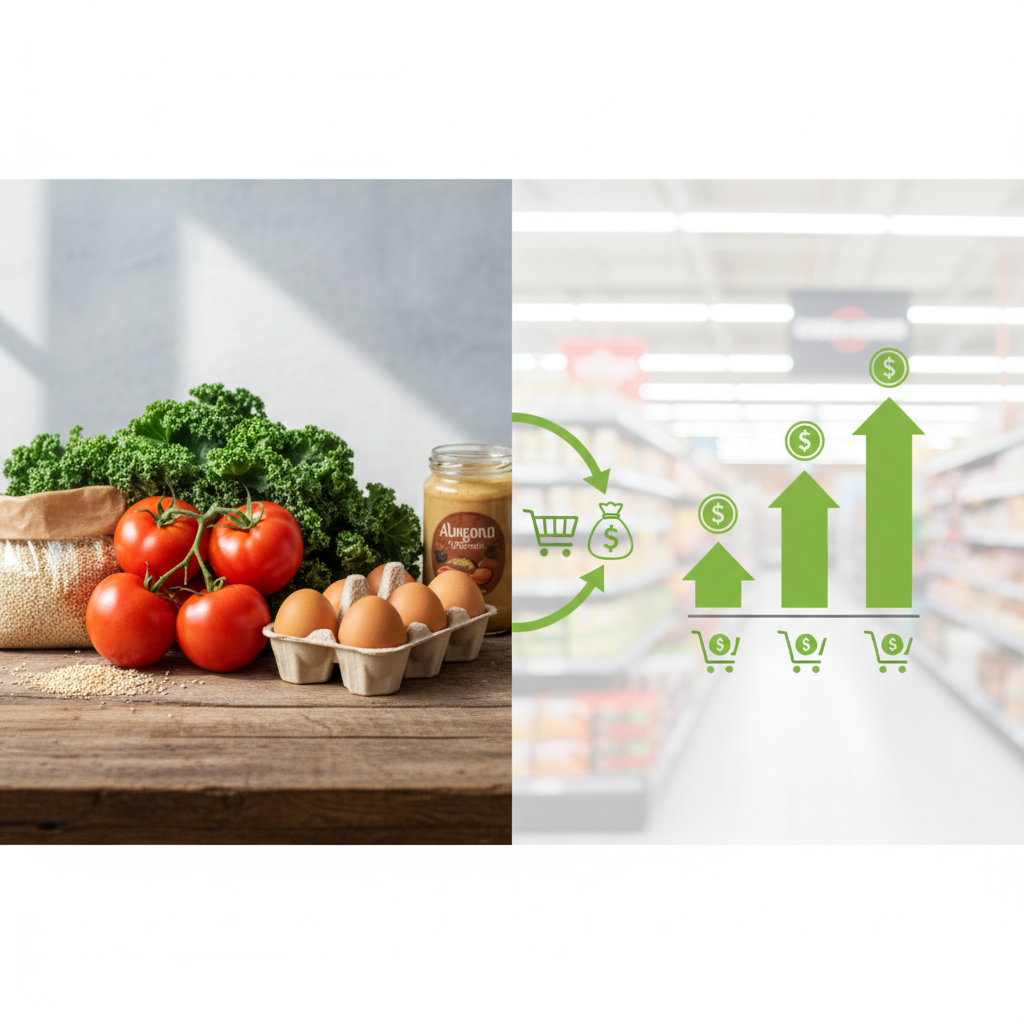
Organic produce prices vary dramatically between store types, with some retailers charging nearly double what others ask for identical items. The conventional wisdom that organic always means expensive doesn't account for the strategic pricing differences found across grocery chains, warehouse clubs, natural food stores, and discount retailers. Smart shoppers who understand these pricing patterns can significantly reduce their organic grocery bills without compromising on quality or selection.
Price Patterns Across Major Grocery Chains
Traditional supermarket chains like Kroger, Safeway, and Publix typically position organic products as premium offerings with corresponding markup strategies. These stores often charge between 20-40% more for organic versions of conventional produce, with the highest premiums found on items like organic bell peppers, berries, and leafy greens. The pricing reflects both higher wholesale costs and the positioning of organic as a lifestyle choice rather than a commodity. However, these same chains frequently run promotional cycles on organic items, particularly seasonal produce, creating windows of opportunity for significant savings. Store brand organic lines, such as Kroger's Simple Truth or Safeway's O Organics, generally offer better value than national organic brands while maintaining comparable quality standards.
Warehouse Club Advantages and Limitations
Costco and Sam's Club present a different organic pricing model entirely, leveraging bulk purchasing power to offer substantial per-unit savings on organic products. Costco's Kirkland Signature organic line delivers some of the most competitive organic pricing available, particularly for pantry staples like organic quinoa, nuts, and frozen vegetables. The warehouse model works exceptionally well for families who can consume larger quantities before spoilage occurs, though the upfront investment requires careful planning. Fresh organic produce at warehouse clubs often costs 15-25% less per pound than traditional grocery stores, but the pre-packaged quantities may lead to waste for smaller households. Seasonal availability can be more limited, and the selection tends to focus on high-turnover items rather than specialty organic products.
Natural Food Stores and Competitive Positioning
Whole Foods Market, Sprouts Farmers Market, and Fresh Market occupy a unique position in organic pricing, often surprising shoppers with competitive rates despite their upscale reputations. These retailers benefit from dedicated organic supply chains and higher volume purchasing in the organic category, allowing them to offer better prices on certain items than conventional grocery stores. Whole Foods' 365 Everyday Value brand frequently undercuts traditional supermarket organic prices, while Sprouts leverages its produce-focused model to offer particularly strong values on organic fruits and vegetables. The key advantage these stores provide extends beyond pricing to include broader selection, better turnover ensuring freshness, and knowledgeable staff who can guide purchasing decisions. Weekly sales cycles at natural food stores often feature deeper discounts on organic items than conventional retailers, making strategic shopping particularly rewarding.
Discount Retailers Enter the Organic Market
Target, Walmart, and Aldi have aggressively expanded their organic offerings while maintaining their low-price positioning, creating new opportunities for budget-conscious organic shoppers. Walmart's Great Value Organic line competes directly on price with conventional products in many categories, effectively eliminating the organic premium on staples like organic pasta, canned goods, and dairy products. Target's Good & Gather organic products offer premium packaging and quality at competitive prices, while Aldi's Simply Nature brand provides exceptional value on organic essentials. These retailers have disrupted traditional organic pricing by treating organic products as loss leaders or low-margin items designed to attract health-conscious customers. The trade-off often involves more limited selection and less specialized knowledge among staff, but the savings can be substantial for basic organic items.
Strategic Shopping for Maximum Organic Value
Effective organic shopping requires matching specific product categories to the retailers that offer the best combination of price, quality, and convenience for each item type. Pantry staples and frozen organic products typically offer the best value at warehouse clubs or discount retailers, while fresh produce quality and pricing often favor natural food stores or specialty chains. Seasonal shopping patterns become more pronounced with organic products, as harvest timing and supply chain factors create significant price fluctuations throughout the year. Store loyalty programs and apps provide additional savings opportunities, with many retailers offering exclusive organic product discounts to program members.
You can maximize your organic purchasing power by developing a multi-store strategy that leverages each retailer's strengths while accounting for your household's consumption patterns and storage capabilities. Consider splitting your organic shopping between two or three store types based on category-specific advantages rather than defaulting to one-stop convenience shopping.
The organic food retail landscape continues evolving as mainstream adoption grows and supply chains mature, with pricing premiums gradually decreasing across most categories. Emerging online grocery platforms and direct-from-farm delivery services are beginning to influence traditional retail pricing, suggesting that organic food accessibility and affordability will continue improving for consumers willing to explore diverse shopping options.