Outlet Mall Pricing Tiers Separate Genuine Overstock From Lines Built to Be Cheap
Jennifer Walsh
07/14/2026
4 min read
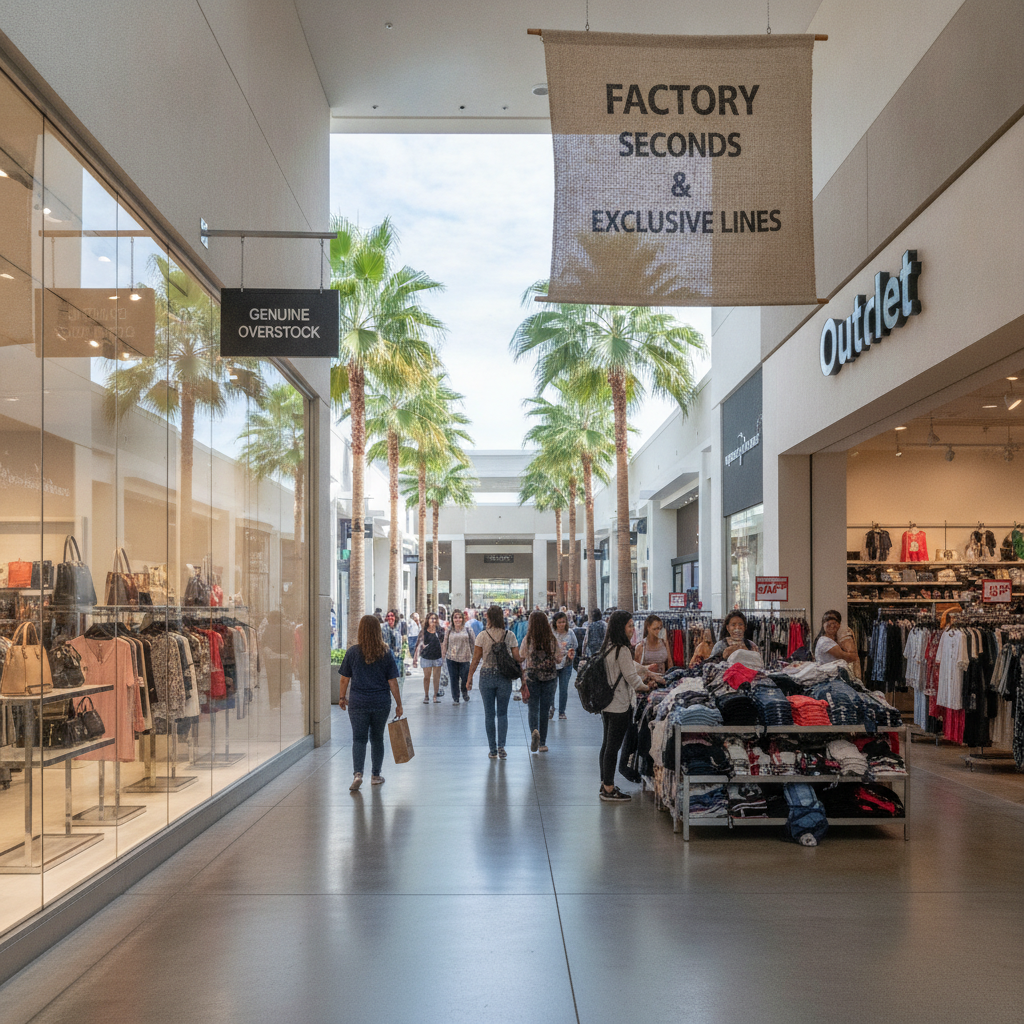
Outlet malls have become one of the most visited retail destinations in America, yet most shoppers walk through their doors without understanding the fundamental divide running through every store on the property. The gap between a genuine factory overstock item and a product manufactured specifically for the discount channel isn't always visible to the naked eye — but it's almost always present, and it shapes the actual value of everything on those racks.
The Two Tiers Most Shoppers Never Notice
Retailers have quietly built two-track product systems that allow them to maintain premium pricing at flagship stores while still capturing budget-conscious traffic at outlets. The first track sends authentic overstock, discontinued colors, and prior-season merchandise to the discount floor. The second track produces goods under the same brand name, sometimes with nearly identical branding, but built to different specifications from the start. Stores like Coach, J.Crew, and Pottery Barn all operate outlet concepts that blend both tiers together, which makes the sorting process surprisingly difficult for the average shopper.
How to Read the Labels Before You Buy
The most reliable indicator of which tier a product belongs to lives on the garment tag or item label. Authentic overstock typically carries the same product codes found on the brand's main website or full-price catalog. Outlet-manufactured goods often display different item numbers, abbreviated style descriptions, or labels that read something like "Outlet Exclusive" or "Made for Outlet." Gap, for instance, has used explicit outlet-specific labeling in the past, while other brands obscure the distinction entirely. Spending thirty seconds comparing a potential purchase to the brand's full-price online listing can reveal whether the product you're holding ever existed in a flagship store.
Material Differences Hidden Behind Familiar Branding
Where outlet-manufactured goods most consistently cut corners is in material composition. A cashmere-blend sweater at a full-price Banana Republic location might carry a meaningfully different fiber ratio than a sweater sold under the same brand at an outlet center. The outlet version may use a higher percentage of synthetic fill, thinner interfacing in structured pieces, or lower thread counts in bedding and home goods. These differences don't always show up in a quick touch test on the sales floor — they tend to reveal themselves after several washes or a season of regular wear. When the construction feels slightly off or the weight seems lighter than expected, that's worth paying attention to.
When Outlet Prices Actually Represent Real Savings
Genuine overstock items offer the most straightforward value proposition in the outlet channel. These are products that were made for full-price retail, priced accordingly, and ended up at the outlet because a season changed, a color didn't sell, or a store had excess inventory. Nike, Williams-Sonoma, and Le Creuset all move authentic surplus through outlet locations, and those pieces represent real discounts on real products. The key is that the original design specifications haven't changed — only the price has. When you find these items, the savings are legitimate and sometimes substantial, especially on cookware, athletic footwear, and home textiles.
Price Points as a Sorting Signal
Pricing tiers within an outlet store often reflect the two-track system more honestly than the merchandise itself does. Items clustered at the deeper discount end of the floor — think 60 to 70 percent off a displayed "original" price — tend to skew toward outlet-manufactured goods, where the original price may have been set artificially high to make the markdown look more dramatic. Mid-range discounts on recognizable, searchable SKUs are more likely to represent genuine overstock. This isn't a perfect rule, but treating heavy discounts with a degree of skepticism, rather than excitement, shifts the shopping decision from emotional to analytical. The price markdown is a marketing signal first and a value signal second.
What You Can Do Before Spending at an Outlet
Before you commit to a purchase, pull out your phone and search the item's style number or a description of it on the brand's main website. If the product appears there at a higher price, you're likely looking at authentic overstock with a genuine discount. If the product doesn't appear at all — or the closest match has different construction details — that's a signal you're handling an outlet-exclusive piece. Check the stitching at seams and stress points, compare the item's weight to similar pieces you own from the same brand, and read the fabric content label carefully. Outlet shopping rewards the detail-oriented buyer and costs the impulse shopper. Knowing which tier you're buying from doesn't mean avoiding outlet stores — it means getting honest value when you walk out.
The outlet mall remains a genuinely useful shopping channel when approached with clear eyes. The distinction between authentic overstock and outlet-manufactured goods is real, consequential, and almost always decipherable with a few minutes of attention. Shoppers who understand both tiers can find excellent deals on legitimate surplus while avoiding the quiet disappointment of paying discounted prices for products that were never built to last.