How Post-Meal Walking Timing Affects Blood Sugar Regulation and Energy Stability Throughout Your Afternoon
Emily Rodriguez
04/26/2026
4 min read
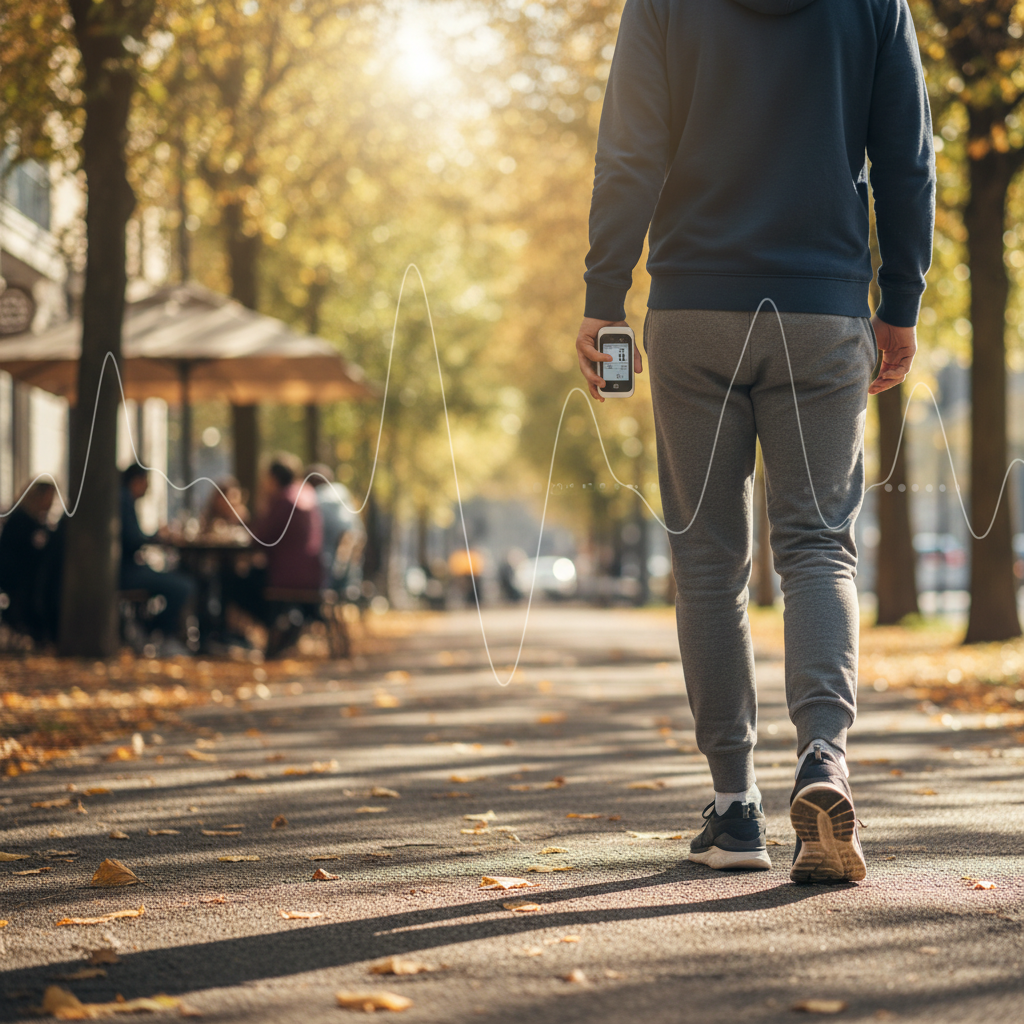
Walking after meals creates measurable changes in how your body processes glucose and maintains steady energy levels. The timing of your post-meal walk determines whether you experience afternoon energy crashes or sustained vitality through your busiest hours.
When you eat, your blood sugar naturally rises as your digestive system breaks down carbohydrates. Without movement, this glucose surge can trigger insulin spikes that lead to energy dips within hours. A strategic walking routine helps your muscles utilize glucose efficiently, preventing the dramatic peaks and valleys that disrupt your afternoon productivity.
Start Walking Within 30 Minutes of Finishing Your Meal
The most effective window for post-meal walking begins 15 to 30 minutes after you finish eating. During this timeframe, your digestive system has started processing food but glucose hasn't yet peaked in your bloodstream. Walking at this point activates muscle glucose uptake, creating a steady burn of the incoming energy rather than allowing it to spike uncontrolled. This early intervention prevents the insulin surge that typically follows large meals, keeping your energy levels more consistent through the afternoon hours.
Maintain a Moderate Pace for Optimal Glucose Uptake
Your walking intensity directly affects how efficiently your muscles consume glucose. A brisk but comfortable pace works better than intense exercise, which can actually stress your digestive system while it's processing food. Aim for a pace where you can hold a conversation without becoming breathless. This moderate intensity allows your leg muscles to steadily draw glucose from your bloodstream while supporting, rather than competing with, your digestive processes. Apps like Apple Health or Google Fit can help you maintain this optimal zone.
Walk for 15 to 20 Minutes to Maximize Blood Sugar Benefits
The duration of your post-meal walk creates a sweet spot for glucose regulation. Research consistently shows that 15 to 20 minutes provides the greatest impact on blood sugar control without requiring excessive time away from your daily activities. This timeframe allows your muscles to absorb a significant portion of the glucose entering your bloodstream while avoiding the fatigue that longer walks might create when your body is actively digesting. Shorter walks of 5 to 10 minutes provide some benefit, but longer durations don't significantly improve glucose management.
Time Your Walk Based on Meal Composition
The macronutrient content of your meal should influence when you begin walking. Meals high in simple carbohydrates, like pasta with marinara sauce or sandwiches with white bread, benefit from earlier walks starting 15 minutes after eating. These foods create faster glucose spikes that require immediate muscle activation. Meals with more protein, fat, and fiber digest more slowly, allowing you to wait 25 to 30 minutes before walking. Mixed meals with balanced macronutrients fall somewhere in the middle, making the 20-minute mark an ideal starting point.
Use Indoor Walking Routes When Weather Limits Outdoor Options
Consistent post-meal walking requires backup plans for challenging weather conditions. Indoor options like mall walking at places like Westfield Shopping Centers, hotel corridors during business travel, or even structured routes through your office building maintain your routine regardless of external conditions. Stair climbing in your building provides an excellent alternative that increases intensity naturally. The key is establishing multiple familiar routes so weather, scheduling conflicts, or location changes don't derail your blood sugar management strategy.
Track Your Energy Patterns to Refine Your Walking Schedule
Monitoring how you feel 2 to 3 hours after different walking routines helps you optimize the timing for your individual metabolism. Keep simple notes about your energy levels, mental clarity, and any afternoon crashes in relation to your post-meal walking habits. Some people find that walking immediately after lunch prevents their typical 2 PM energy dip, while others discover that waiting 25 minutes works better for their digestive comfort. Devices like Fitbit or Garmin watches can track your activity and help correlate walking patterns with sustained energy levels.
Adjust Walking Duration for Different Meal Sizes
Larger meals require longer walking periods to achieve the same blood sugar regulation as smaller portions. A substantial lunch with multiple courses might benefit from a 20 to 25-minute walk, while a light salad or soup needs only 10 to 15 minutes of movement. Business lunches or holiday meals with multiple dishes naturally provide more glucose for your muscles to process, extending the optimal walking duration. Pay attention to portion sizes and adjust your walking time accordingly, rather than maintaining the same routine regardless of how much you've eaten.
Combine Post-Meal Walks with Workplace Productivity
Integrating walking into your work schedule increases adherence while providing additional benefits for afternoon focus. Walking meetings with colleagues, phone calls taken while strolling, or reviewing notes during your post-lunch walk accomplish multiple goals simultaneously. Many professionals find that the mental clarity from post-meal walking improves their afternoon decision-making and creativity. Companies like Google and Apple have embraced walking meetings partly because of these cognitive benefits that extend beyond blood sugar regulation.
As workplace wellness programs increasingly recognize the connection between physical activity and sustained productivity, post-meal walking is becoming a standard recommendation for afternoon energy management. The simplicity of this strategy makes it accessible regardless of fitness level or time constraints, while the measurable benefits on glucose regulation provide motivation for long-term adherence.