How Post-Meal Walking Timing Affects Blood Sugar Regulation and Energy Stability Throughout Your Afternoon
Emily Rodriguez
04/26/2026
5 min read
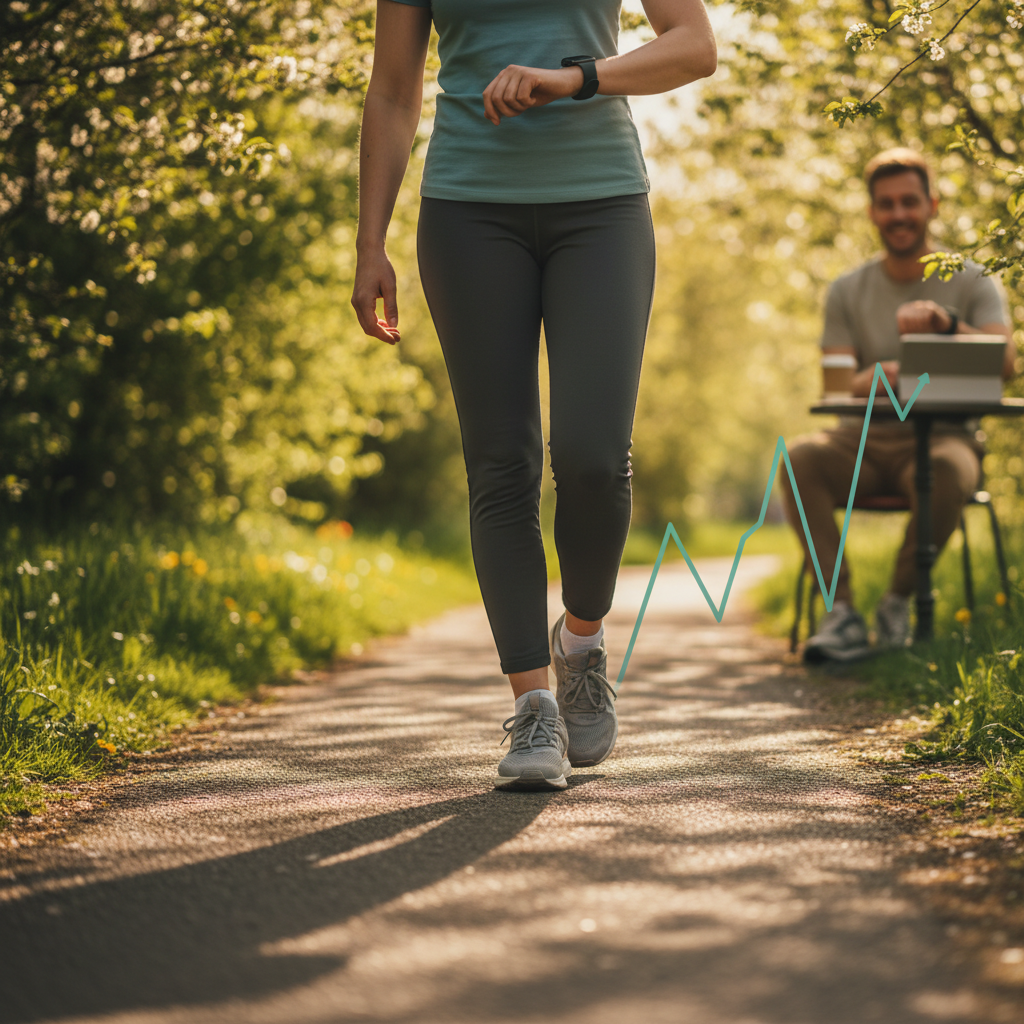
Walking after meals influences blood sugar levels and energy patterns more significantly than the duration or intensity of the walk itself. The timing of when you begin moving after eating determines how effectively your body processes glucose and maintains steady energy throughout the afternoon hours.
Many people experience post-lunch energy crashes that derail their productivity and mood. This afternoon slump often stems from blood sugar spikes followed by rapid drops, creating a cycle of fatigue and cravings. Understanding how walking timing interacts with your body's natural glucose response provides a practical tool for maintaining consistent energy levels.
Start Your Walk Within 15 Minutes of Finishing Your Meal
Beginning a gentle walk within 15 minutes of eating produces the most dramatic improvements in blood sugar control. Your digestive system starts breaking down carbohydrates almost immediately, and early movement helps muscles utilize glucose as it enters your bloodstream. This prevents the sharp spike that typically occurs 30-60 minutes after eating. Even a slow-paced walk around your office building or neighborhood activates glucose uptake in muscle tissue, smoothing out the blood sugar curve that would otherwise create energy instability.
Aim for 10-15 Minutes of Continuous Movement
The duration of your post-meal walk doesn't need to be extensive to generate significant metabolic benefits. Research consistently shows that 10-15 minutes of moderate walking produces optimal glucose regulation without requiring major schedule adjustments. Apps like Strava or Apple Health can help you track these short walking sessions and identify patterns in how your energy responds. This timeframe allows your muscles to actively consume circulating glucose while your digestive system continues processing the meal. Longer walks don't necessarily improve blood sugar control beyond this window.
Maintain a Comfortable Conversational Pace
The intensity of your post-meal walk should remain gentle enough that you could maintain a normal conversation throughout. This moderate pace stimulates glucose uptake in muscles without triggering stress hormones that can actually raise blood sugar levels. Your heart rate should increase slightly, but you shouldn't feel breathless or strained. Vigorous exercise immediately after eating can redirect blood flow away from digestion, potentially causing stomach discomfort while providing diminishing returns for glucose regulation. Many successful walkers use this time for phone calls with family or colleagues.
Choose Consistent Routes to Build Sustainable Habits
Establishing regular walking routes near your workplace or home removes decision fatigue and makes post-meal movement automatic. Popular options include loops around office complexes, neighborhood circuits, or indoor mall walking during inclement weather. Consistency in your walking environment helps your body anticipate and prepare for this routine, enhancing the metabolic benefits over time. Having predetermined routes also eliminates the mental energy required to plan where you'll walk, making it more likely you'll follow through even on busy or stressful days.
Track Your Energy Levels Before and After Implementation
Monitoring how you feel during afternoon hours provides concrete feedback about the effectiveness of your post-meal walking routine. Keep a simple log noting your energy levels, cravings, and mental clarity for one week before starting the walking habit, then compare those metrics after implementing regular post-meal walks. Many people notice improvements within just a few days, including reduced afternoon sleepiness and fewer sugar cravings. Apps like MyFitnessPal or Cronometer can help you correlate walking timing with energy patterns, revealing the most effective schedule for your individual metabolism.
Adjust Timing Based on Your Meal Composition
Meals higher in refined carbohydrates benefit from slightly earlier post-meal walking, ideally within 10 minutes of finishing eating. These foods create more rapid glucose spikes that require immediate intervention through muscle activity. Meals containing more protein, fat, and fiber digest more slowly, allowing for a 15-20 minute window before beginning your walk. Understanding how different foods affect your blood sugar response helps you customize your walking timing for optimal results. This personalized approach prevents both energy crashes and the uncomfortable feeling of exercising on a very full stomach.
Account for Weather and Indoor Alternatives
Developing backup plans for inclement weather ensures your post-meal walking routine remains consistent year-round. Many office buildings offer stairwells, long hallways, or indoor walking tracks that provide adequate space for a 10-15 minute walk. Shopping centers like Target or Costco welcome walkers during off-peak hours and provide climate-controlled environments. Some people invest in treadmills or walking pads for their offices or homes, though outdoor walking generally provides additional mental health benefits through exposure to natural light and fresh air.
Combine Walking with Mindful Breathing Techniques
Incorporating simple breathing exercises during your post-meal walk enhances both stress reduction and glucose regulation. Deep, rhythmic breathing activates the parasympathetic nervous system, which supports healthy digestion while promoting muscle glucose uptake. Try counting your breaths or practicing box breathing (four counts in, hold for four, four counts out, hold for four) while maintaining your walking pace. This combination addresses both the physical and mental components of afternoon energy stability, providing benefits that extend beyond blood sugar control into improved focus and mood regulation.
The growing body of research on exercise timing and metabolic health continues to reinforce the importance of movement patterns throughout the day rather than isolated workout sessions. As workplace wellness programs increasingly recognize the value of micro-movements and walking meetings, post-meal walking may become a standard recommendation for maintaining employee health and productivity. This simple practice offers measurable benefits that compound over time, creating a foundation for sustained energy and metabolic health.