How Retailer Price-Match Windows and Rain Check Policies Work Together to Lock in Sale Prices After They Expire
Jennifer Walsh
07/18/2026
5 min read
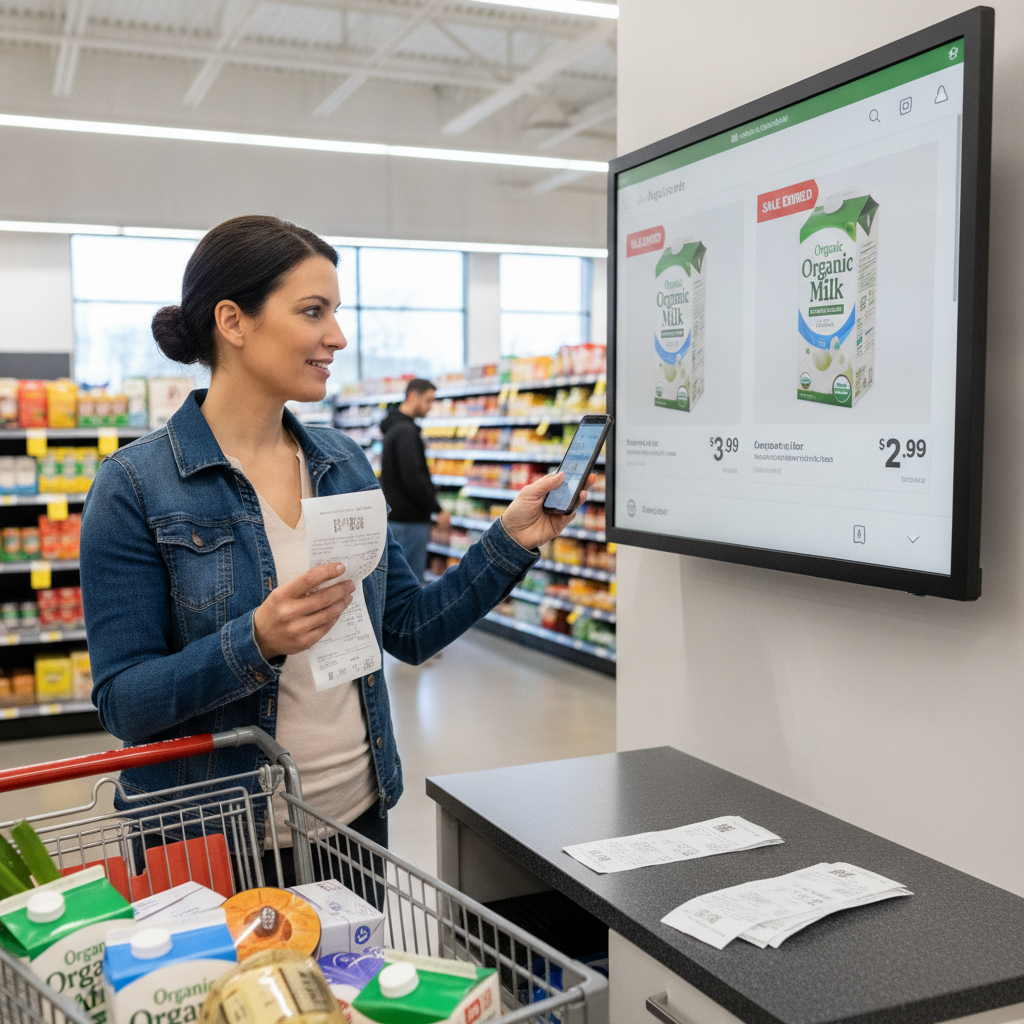
Retailer price-match windows and rain check policies are two of the most underused tools in a savvy shopper's arsenal — and when you combine them strategically, you can lock in sale prices that have already ended. Most shoppers assume that once a sale expires, the savings are gone. That's rarely true. Between price protection windows, post-purchase match requests, and rain checks issued at the register, stores have created more flexibility than they advertise. Knowing how each mechanism works — and how they connect — changes how you approach every purchase.
Understanding How Price-Match Windows Actually Work
A price-match window is the period after a purchase during which a retailer will retroactively honor a lower price — either from a competitor or from the store's own sale. Target, for example, offers a 14-day price match on most items. Best Buy extends that window to 15 days for standard members and longer for Elite tier customers. The key is that these windows are date-triggered from your original purchase, not from when the sale begins. So if you buy something today and the same item goes on sale at the same store next week, you can return to the service desk and pocket the difference.
What Rain Checks Are — and When Stores Must Issue Them
A rain check is a written promise from a retailer to sell you an out-of-stock sale item at the advertised price once inventory is restored. They originated decades ago to prevent bait-and-switch concerns, and many retailers — including Walgreens and Kroger — still honor them as standard policy. Rain checks are typically issued at checkout or customer service when a promoted item is sold out during an active sale. They're not universal, though. Most stores exclude rain checks on limited-quantity doorbusters, clearance items, and online-only deals, so it's worth asking before assuming one is available.
How the Two Systems Overlap in Practice
The real power comes from pairing these two policies in sequence. Say you purchased a kitchen appliance during a weekend sale, and within your retailer's price-match window, the item drops even further — either at the original store or at a competitor like Walmart or Costco. You can file a price-match request and get the additional difference refunded. Meanwhile, if the specific model you wanted was out of stock when the sale ran, a rain check lets you buy it later at that same sale price. Together, these tools extend your window of savings far beyond the original promotional period.
Tracking Prices After You Buy — The Tools That Help
Manual price tracking is tedious, but tools like Honey and Capital One Shopping automate the process by monitoring items after purchase and alerting you to drops. Some credit cards also offer built-in price protection as a cardholder benefit — a feature worth checking before you assume you need a store-specific program. Setting a calendar reminder for two days before your price-match window closes gives you time to compare prices intentionally rather than scrambling at the last minute. A few minutes of follow-up on big purchases can regularly recover meaningful savings.
How to Request a Price Match Without the Runaround
Walking into a customer service interaction prepared makes all the difference. Bring your original receipt, a screenshot or printed proof of the competitor's current price, and a clear note of the item's SKU or model number. Most trained associates can process a straightforward match in minutes, but vague requests or incomplete documentation can stall the process. It's also worth knowing that some retailers require the competitor to have the item in stock at that price — not just listed online. Calling ahead or checking a store's specific policy online before you make the trip saves time.
Which Retailers Have the Most Generous Combined Policies
Not every store makes this strategy equally easy. Target's price match policy covers both competitor prices and its own sales, and their rain check program is straightforward for most in-store purchases. Home Depot's policy extends to both price drops and competitor pricing, with a generous window for major appliances. Walmart's price-match system was scaled back in recent years, so verification is worth a quick check before assuming coverage. Drug store chains like Walgreens and CVS have among the most shopper-friendly rain check processes, largely because their sale cycles are short and stock moves quickly.
Reading the Fine Print Before Assuming Coverage
Every retailer buries exclusions, and the most common ones trip up even experienced shoppers. Price matches typically don't apply to third-party marketplace sellers on Amazon or Walmart's site — only to items sold and shipped directly by those retailers. Rain checks often have expiration dates of 30 to 60 days, after which the discount becomes void. Some stores limit rain checks to a single unit per customer. Clearance items, bundle deals, and membership-exclusive pricing are almost universally excluded from both programs. A quick read of a retailer's policy page before shopping takes two minutes and prevents frustrating rejections at the register.
Building This Into a Repeatable Shopping Habit
The shoppers who benefit most from these policies aren't the ones who chase them occasionally — they're the ones who build them into a consistent routine. Before any significant purchase, check the retailer's price-match window length and rain check availability. After you buy, set a reminder to re-check the price before that window closes. If an item is out of stock on sale day, always ask for a rain check rather than walking away empty-handed. Over time, these small steps compound into a reliable system that regularly captures savings most shoppers leave on the table — with no coupons required.
Price-match windows and rain check policies aren't separate perks — they're two parts of a connected system that retailers have in place, whether they advertise it loudly or not. Learning how each one works, which stores have the best terms, and how to time your follow-up requests turns ordinary shopping into something far more strategic. The sale price doesn't have to be the last word on what you actually pay.