Why Seasonal Light Exposure Patterns Affect Sleep Quality More Than Screen Time
Emily Rodriguez
02/18/2026
3 min read
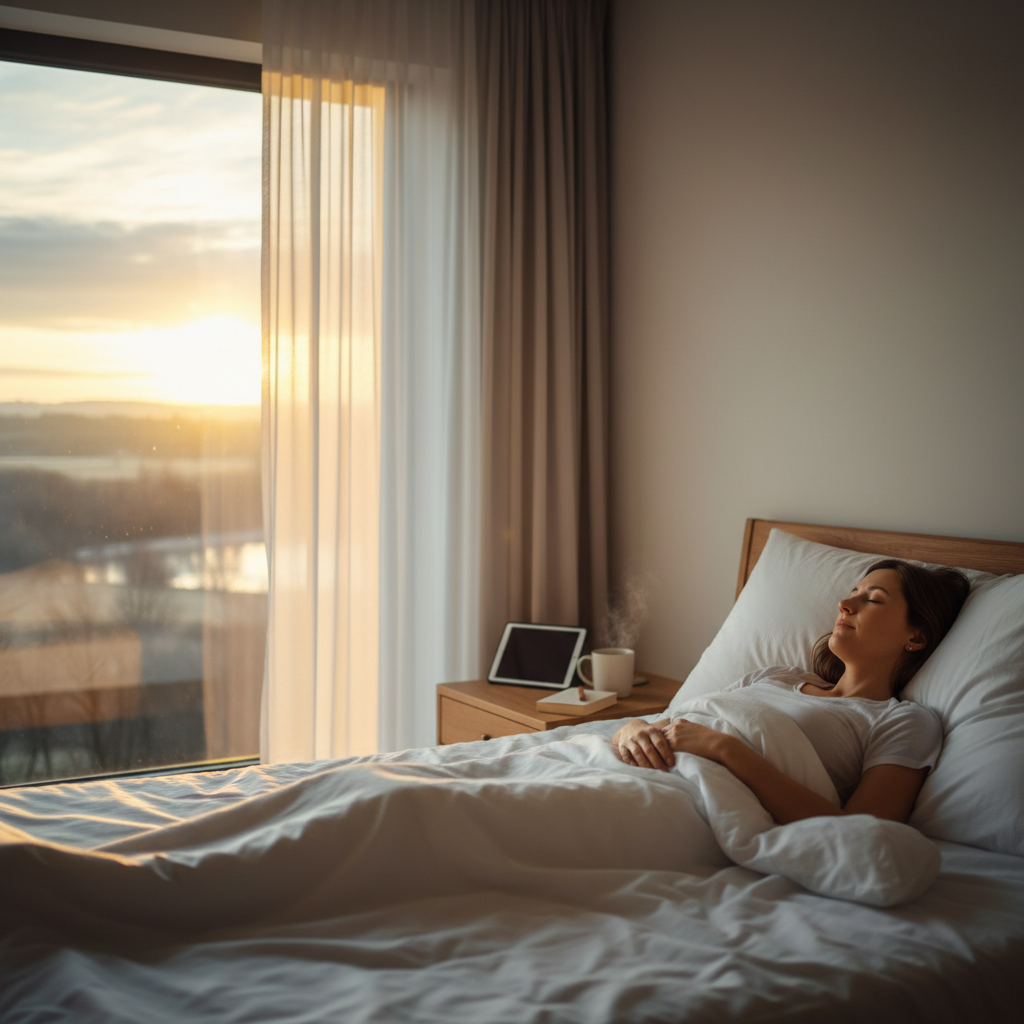
The human sleep-wake cycle responds more dramatically to seasonal changes in natural light than to evening screen exposure, challenging the widespread focus on blue light filters and device restrictions. While digital wellness receives considerable attention, the fundamental rhythm-setting mechanisms in our brains remain more closely tied to the ancient patterns of sunrise, sunset, and seasonal light duration that shaped human evolution over millennia.
How Does Natural Light Control Our Internal Clocks?
The suprachiasmatic nucleus, a small region in the hypothalamus, acts as the body's master timekeeper by responding primarily to light information received through specialized retinal cells. These cells detect brightness levels and light wavelengths, particularly the blue spectrum present in morning sunlight. When natural light hits these photoreceptors, they send signals that suppress melatonin production and promote alertness.
Seasonal variations create profound shifts in this system. During winter months in northern climates like Minneapolis or Seattle, reduced daylight hours and weaker sun angles can disrupt circadian rhythms far more significantly than evening phone use.
What Happens When Seasonal Light Patterns Shift?
As seasons transition, the timing and intensity of natural light exposure changes dramatically, often misaligning internal clocks with daily schedules. Fall and winter bring earlier sunsets and later sunrises, reducing total light exposure and shifting the peak brightness hours. This creates a biological expectation for longer sleep periods, conflicting with consistent work and social schedules.
Many people experience delayed sleep onset and difficulty waking during darker months, regardless of their evening screen habits. The body's melatonin production begins earlier in the day during winter, creating afternoon drowsiness that screens cannot counteract through blue light exposure alone.
Why Screen Time Takes Secondary Role in Sleep Disruption?
While evening screen use does affect sleep quality, its impact operates within the broader framework established by seasonal light patterns. Electronic devices emit relatively weak blue light compared to natural sunlight—even cloudy winter days provide significantly more circadian-relevant illumination than tablets or smartphones. Modern devices also adjust their light output automatically through features like Apple's Night Shift or similar technologies.
The timing of screen exposure matters more than the exposure itself. Using devices late in the evening can delay melatonin onset, but this effect becomes negligible when natural light patterns have already disrupted the circadian foundation throughout the day.
How Do Different Latitudes Amplify These Effects?
Geographic location determines the severity of seasonal sleep disruptions, with higher latitudes experiencing more dramatic light pattern changes. Residents of northern cities like Anchorage or northern European locations face months of significantly shortened daylight, creating circadian challenges that screen management alone cannot address.
People living closer to the equator, such as in Miami or Phoenix, maintain relatively consistent sunrise and sunset times year-round, resulting in more stable sleep patterns regardless of seasonal changes. This geographic factor often outweighs individual screen time habits in determining overall sleep quality and seasonal mood variations.
What Practical Steps Support Better Seasonal Sleep?
You can work with your body's natural light sensitivity rather than against it by prioritizing morning light exposure, especially during darker months. Spend time outdoors within the first hour of waking, even on cloudy days, or consider using a light therapy lamp rated at 10,000 lux for 20-30 minutes each morning.
Adjust your evening routine to accommodate earlier melatonin production during fall and winter months. This might mean shifting dinner and wind-down activities earlier rather than simply restricting screens. Room-darkening curtains and consistent sleep schedules help maintain circadian stability when natural light cues become inconsistent.
Where Is Circadian Science Heading?
Research continues revealing the complex interactions between light exposure, seasonal patterns, and sleep quality, moving beyond simple blue light concerns toward comprehensive circadian health approaches. Smart home systems are beginning to incorporate circadian lighting that automatically adjusts color temperature and intensity throughout the day, mimicking natural light patterns regardless of weather or season.
Understanding seasonal light's dominant role in sleep regulation helps explain why screen-focused solutions often fall short and points toward more effective, nature-based approaches to maintaining healthy sleep patterns year-round.