Secret Sunrise and Sunset Photography Spots Hidden from Tourist Crowds in National Parks
Jennifer Walsh
02/18/2026
5 min read
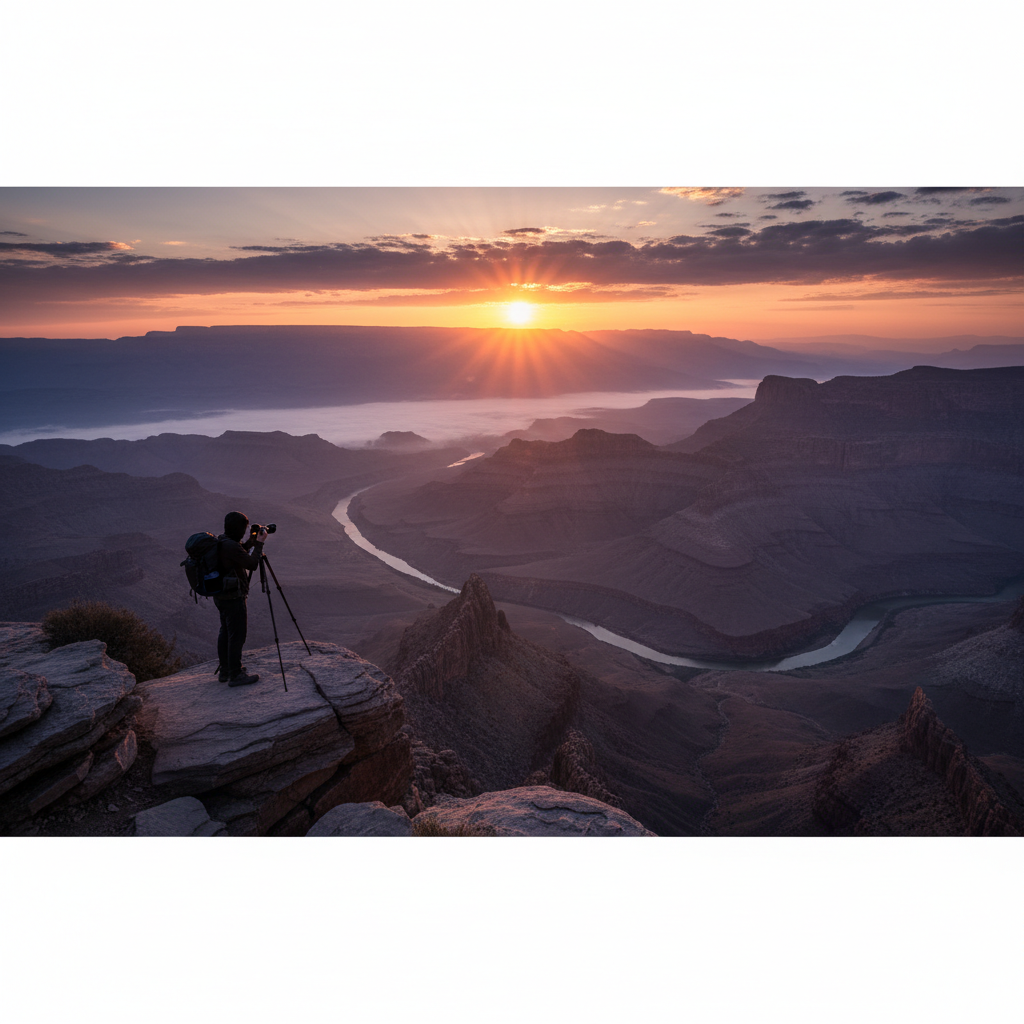
The most breathtaking moments in America's national parks happen when golden light transforms familiar landscapes into something magical, yet millions of visitors cluster at the same handful of overlooks while dozens of equally spectacular vantage points remain virtually empty. Popular destinations like Grand Canyon's South Rim or Yosemite's Tunnel View draw hundreds of photographers each morning and evening, creating crowded conditions that can diminish the peaceful experience many seek. Experienced park visitors have discovered that some of the most stunning sunrise and sunset views exist just minutes away from these tourist magnets, accessible to those willing to explore beyond the obvious choices.
Research Lesser-Known Viewpoints Before Your Visit
Park rangers and visitor center staff possess invaluable knowledge about alternative viewing locations that rarely appear in guidebooks or social media feeds. These hidden gems often provide equally dramatic perspectives without the elbow-to-elbow crowds that characterize famous viewpoints during peak times. Many parks maintain unofficial lists of secondary overlooks and lesser-known trails that lead to spectacular vantage points within easy walking distance of parking areas. Desert View Drive in Grand Canyon National Park offers multiple pullouts between the main visitor areas, each providing unique perspectives of the canyon's layered geology as morning light creeps across the rim. Similarly, Glacier Point Road in Yosemite features several unmarked turnouts where photographers can capture Half Dome and the valley floor without competing for space at the main Glacier Point overlook.
Explore Trail Junctions Just Beyond Main Viewpoints
Some of the most rewarding sunrise and sunset locations exist just a short walk past the endpoints of popular trails, where most visitors turn around after reaching the designated viewpoint. These extended areas often provide wider panoramic views and more diverse composition opportunities while remaining accessible to visitors with moderate fitness levels. At Zion National Park, continuing beyond the official endpoint of Canyon Junction Bridge reveals secluded riverside spots where the Virgin River reflects early morning light against towering sandstone walls. The area past Artist Point in Yellowstone's Grand Canyon offers additional vantage points along the rim where photographers can capture the Lower Falls without the crowds that gather at the main platform. These locations require minimal additional effort but deliver significantly more peaceful experiences for watching nature's daily light show unfold.
Time Your Visit During Shoulder Seasons
Spring and fall shoulder seasons provide ideal conditions for discovering quieter sunrise and sunset experiences, as fewer visitors venture to national parks during these transitional periods despite often spectacular weather and lighting conditions. Late September through early November offers particularly stunning opportunities in parks like Great Smoky Mountains, where autumn foliage creates vibrant foreground elements for sunrise photography at lesser-known spots like Foothills Parkway overlooks. Early spring visits to parks such as Death Valley reveal wildflower displays that transform desert landscapes during sunrise hours, while cooler temperatures make hiking to remote viewpoints more comfortable. Weather patterns during shoulder seasons often produce dramatic cloud formations and atmospheric conditions that enhance sunrise and sunset displays, creating opportunities for unique photographs that summer crowds never experience.
Utilize Backcountry Camping for Exclusive Access
Backcountry camping permits unlock access to sunrise and sunset locations that day visitors simply cannot reach, providing exclusive opportunities to witness golden hour moments in pristine wilderness settings. Many national parks offer backcountry sites within hiking distance of spectacular overlooks that remain completely empty during the most beautiful light of each day. Rocky Mountain National Park's backcountry camping areas near alpine lakes provide unobstructed sunrise views of snow-capped peaks reflecting in still water, while Great Smoky Mountains' backcountry sites offer sunset opportunities from ridgetop locations accessible only to overnight visitors. These experiences require advance planning and wilderness camping skills, but they deliver once-in-a-lifetime photographic opportunities and deeply peaceful connections with natural landscapes. Park websites typically provide detailed information about backcountry permit requirements and recommended sites for photography enthusiasts seeking solitude.
Follow Photography Communities for Local Intelligence
Online photography forums and local camera clubs often share detailed information about alternative sunrise and sunset locations that remain outside mainstream travel recommendations. These communities frequently discuss seasonal timing, weather considerations, and specific positioning tips for capturing optimal light at lesser-known viewpoints throughout various national parks. Facebook groups dedicated to specific parks or regions provide real-time updates about current conditions and crowd levels at different viewing locations, helping photographers make informed decisions about where to spend precious golden hour moments. Instagram location tags can reveal hidden spots, though photographers should research access requirements and Leave No Trace principles before visiting sensitive areas. Local camera shops near popular national parks often maintain informal networks of photographers who share knowledge about seasonal hotspots and emerging locations that offer fresh perspectives on familiar landscapes.
Plan Your Golden Hour Strategy
Successful sunrise and sunset photography in national parks requires careful timing and preparation, particularly when venturing beyond established viewpoints to discover hidden gems. You should arrive at chosen locations at least thirty minutes before golden hour begins to allow time for composition setup and to witness the full progression of changing light across the landscape. Mobile apps like PhotoPills or Sun Surveyor help determine exact sunrise and sunset times along with sun position relative to landscape features, enabling precise planning for optimal lighting conditions. Pack essential gear including headlamps for pre-dawn hikes, extra batteries for cold weather conditions, and sturdy tripods for low-light photography in potentially windy locations. Always inform someone of your planned locations and expected return times when exploring lesser-known areas, and carry park maps along with emergency supplies appropriate for changing weather conditions.
These secret spots throughout America's national parks offer profound opportunities to experience nature's daily transformation away from tourist crowds, creating memories and photographs that capture the true essence of these protected landscapes. The effort invested in discovering alternative viewpoints rewards visitors with peaceful moments and unique perspectives that few others will ever witness.