Solo Female Travel Safety Strategies Beyond the Obvious Precautions
Robert Kim
02/26/2026
4 min read
Travel advisories always mention the basics: carry copies of your passport, avoid dark alleys, trust your instincts. While these fundamentals remain important, experienced solo female travelers develop additional layers of protection that guidebooks rarely discuss.
These advanced safety strategies go beyond standard precautions to address the nuanced challenges women face when traveling alone. They focus on blending in, creating backup systems, and establishing communication protocols that provide security without limiting adventure.
Master the Art of Confident Navigation
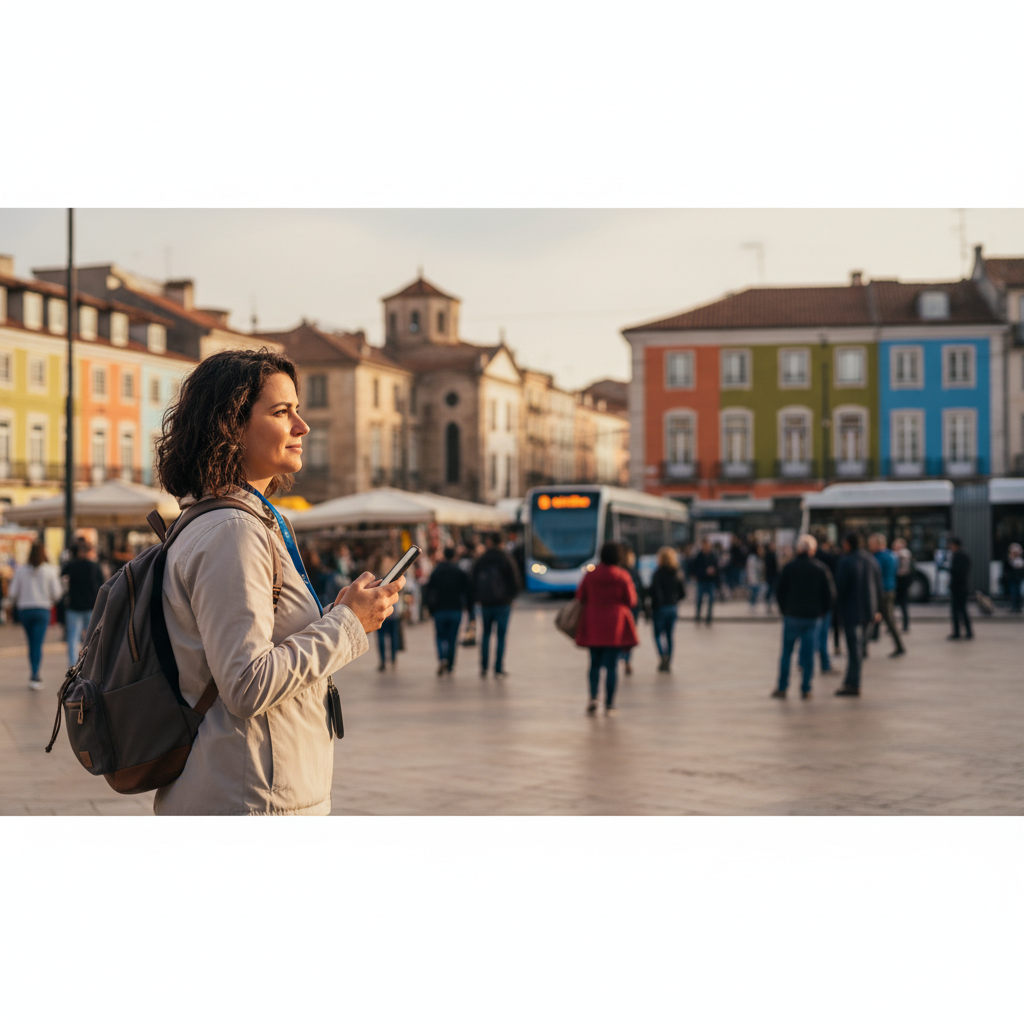
Never appear lost or confused in public, even when you absolutely are. Duck into a coffee shop, restaurant, or store to check maps on your phone rather than standing on street corners looking vulnerable. Practice the local greeting and learn basic directional phrases before arrival. When asking for directions, approach families with children, other women, or shop employees rather than men lingering on streets. Keep your phone's GPS offline maps downloaded for areas with poor connectivity, and screenshot important routes beforehand to avoid fumbling with apps.
Establish Check-In Protocols Beyond Daily Updates
Create a communication system that goes deeper than daily "I'm safe" texts. Share your accommodation details with someone at home, including phone numbers and addresses. Set specific check-in times that align with your planned activities, not arbitrary morning or evening calls. Establish a code word system for different situations - one phrase for minor concerns, another for genuine emergencies. Use location-sharing apps like Find My Friends with trusted contacts, but remember to disable sharing when you return home.
Blend In with Strategic Wardrobe Choices
Observe local women during your first day and adjust accordingly. Note hemlines, sleeve lengths, colors, and accessories that help you blend into the cultural landscape. Pack versatile pieces that can be layered or modified for different situations - scarves that become head coverings, cardigans that cover arms, and pants that work in conservative areas. Avoid expensive jewelry, designer bags, or clothing with prominent logos that signal wealth. Choose comfortable shoes that look appropriate for walking but allow you to move quickly if needed.
Use Strategic Accommodation Booking Techniques
Request rooms on floors 2-6 when checking in - high enough to deter break-ins through windows, low enough for fire escape access. Avoid ground floor rooms and those at the end of long corridors. Book accommodations in neighborhoods where other women walk alone after dark, not just tourist-heavy areas that empty out at night. Read recent reviews specifically from solo female travelers on platforms like Hostelworld and Booking.com for insights about safety and neighborhood atmosphere.
Create Fake Companion Scenarios
Develop believable stories about traveling companions who are temporarily elsewhere. Mention your friend who's back at the hotel feeling sick, or your partner who's arriving tomorrow. Set up two drinks at a bar while waiting for your "friend." Book restaurant tables for two and explain your companion is running late. This technique works particularly well in cultures where solo female dining draws unwanted attention. Keep the stories simple and consistent to avoid contradicting yourself.
Research Local Women's Transportation Patterns
Observe how local women travel and mirror their choices. Notice which subway cars they choose, what time they avoid public transit, and whether they use ride-sharing apps or official taxis. In cities like Mumbai or Mexico City, look for women-only train cars during rush hours. Download local ride-sharing apps like Grab in Southeast Asia or Ola in India rather than relying solely on Uber. Pay attention to where women wait for transportation and avoid isolated bus stops or taxi stands.
Develop Situational Awareness Beyond Personal Safety
Stay informed about local events that might affect your plans, from political demonstrations to religious holidays that change normal routines. Monitor local news through English-language sources or translation apps. Notice patterns in your accommodation area - when shops close, how late people remain on streets, and which areas become deserted after certain hours. Identify safe havens along your regular routes: 24-hour establishments, police stations, and busy intersections where you can seek help if needed.
Trust Your Financial Instincts as Safety Indicators
Scams often serve as early warning systems for areas or situations that pose broader safety risks. Overly aggressive vendors, persistent taxi drivers, or elaborate distraction techniques frequently occur in neighborhoods with other safety concerns. When someone tries too hard to separate you from your money through pressure tactics, treat it as a signal to leave the area entirely. Legitimate businesses don't rely on high-pressure techniques, and genuine local hospitality doesn't come with strings attached.
These strategies work best when layered together rather than used individually. Start implementing them gradually during shorter trips to build confidence before embarking on longer solo adventures.