Southwest Colorado's Hidden Hot Springs Accessible by Short Hikes
David Park
02/18/2026
4 min read
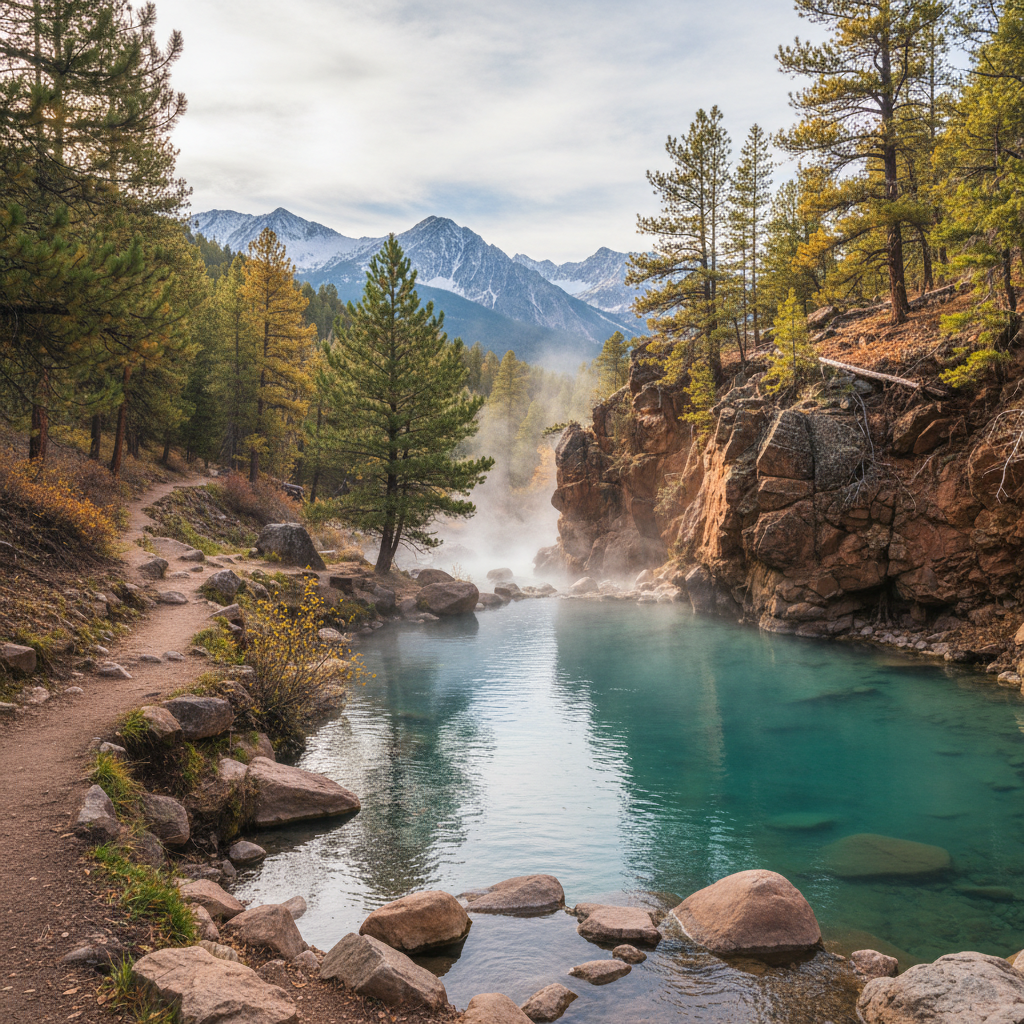
Steam rises from natural pools tucked away in remote canyon walls, accessible only to those willing to venture beyond the roadside attractions. Southwest Colorado harbors dozens of undeveloped hot springs that require minimal hiking effort but deliver maximum therapeutic reward. These geothermal gems offer a quieter alternative to crowded resort destinations, where visitors can soak in mineral-rich waters surrounded by pristine wilderness.
The region's volcanic history created an abundance of natural hot springs, many remaining unmarked and unmaintained. While some require technical climbing or overnight backpacking, others sit just minutes from established trailheads, making them perfect for day trips or weekend getaways.
Discovering Conundrum Hot Springs Near Aspen
Conundrum Hot Springs stands as one of Colorado's most famous backcountry soaking destinations, though its 8.5-mile approach keeps casual visitors away. The trail winds through aspen groves and alpine meadows, gaining roughly 2,400 feet of elevation before reaching three natural pools perched at 11,200 feet. The springs maintain temperatures between 100-103°F year-round, creating a stark contrast against the mountain air.
Visitors typically make this an overnight trip, camping in designated areas near the springs. The Forest Service requires reservations during peak season and enforces strict regulations to protect the fragile alpine environment. Winter access becomes significantly more challenging, requiring snowshoes or skis and advanced backcountry skills.
Exploring Trimble Hot Springs' Natural Neighbors
While Trimble Hot Springs operates as a commercial facility north of Durango, several undeveloped springs bubble up along the same geothermal corridor. These lesser-known spots require short bushwhacking adventures through riverside vegetation, following faint social trails created by previous visitors. The water temperatures vary significantly, from lukewarm seeps to scalding sources that require careful temperature testing.
Local knowledge becomes essential for finding these hidden gems, as they don't appear on official maps or trail guides. The springs change seasonally based on snowmelt and precipitation patterns, with some disappearing entirely during dry periods. Respect for private property remains crucial, as some springs sit on or adjacent to privately owned land.
Accessing Rainbow Hot Springs via Forest Roads
Rainbow Hot Springs offers one of the more accessible soaking experiences, reached via a combination of high-clearance vehicle driving and easy hiking. The rough forest road winds through Gunnison National Forest, requiring careful navigation but remaining passable for most SUVs and pickup trucks during summer months. From the informal parking area, a half-mile walk leads to multiple pools built into the hillside.
The springs feature a range of temperatures across different pools, allowing visitors to find their preferred soaking temperature. Stone-lined pools retain heat effectively while providing comfortable seating areas carved into the natural rock formations. Winter access becomes nearly impossible without four-wheel drive and snow tires, as the forest road receives no maintenance during colder months.
Finding Valley View Hot Springs' Wild Alternatives
Valley View Hot Springs operates as a clothing-optional resort in the San Luis Valley, but several undeveloped springs exist in the surrounding area. These alternatives require more adventurous approaches, often involving creek crossings and unmarked trails through sagebrush terrain. The reward includes complete solitude and unfiltered views of the Sangre de Cristo Mountains.
Some springs appear as small seeps creating warm pools in creek beds, while others emerge as distinct sources with higher mineral content. Water temperatures typically range from comfortable bathing warmth to scalding hot, requiring careful testing before entering. The remote locations mean visitors must pack out all trash and follow Leave No Trace principles religiously.
Planning Safe Hot Springs Adventures
Successful hot springs exploration requires proper preparation and realistic expectations about trail conditions and facilities. You should bring a reliable thermometer to test water temperatures, as some springs exceed safe soaking levels. Pack plenty of water for drinking, as the mineral content of hot springs makes them unsuitable for hydration. Cell phone coverage remains spotty or nonexistent in most locations, making emergency communication challenging.
Timing visits for shoulder seasons often provides the best experience, avoiding summer crowds while maintaining reasonable weather conditions. Research current land management regulations and seasonal closures, as rules change frequently to protect sensitive environments. Consider bringing a small folding chair or pad, as natural seating around springs can be uncomfortable for extended soaking sessions.
Colorado's hidden hot springs offer unique opportunities to combine outdoor adventure with therapeutic relaxation, creating memorable experiences away from commercialized attractions. These natural treasures require respectful visitation and careful planning, but reward thoughtful explorers with some of the most peaceful soaking experiences available in the American West.