How Store Loyalty Programs Use Behavioral Psychology to Increase Spending and Which Rewards Actually Save Money
Jennifer Walsh
03/21/2026
3 min read
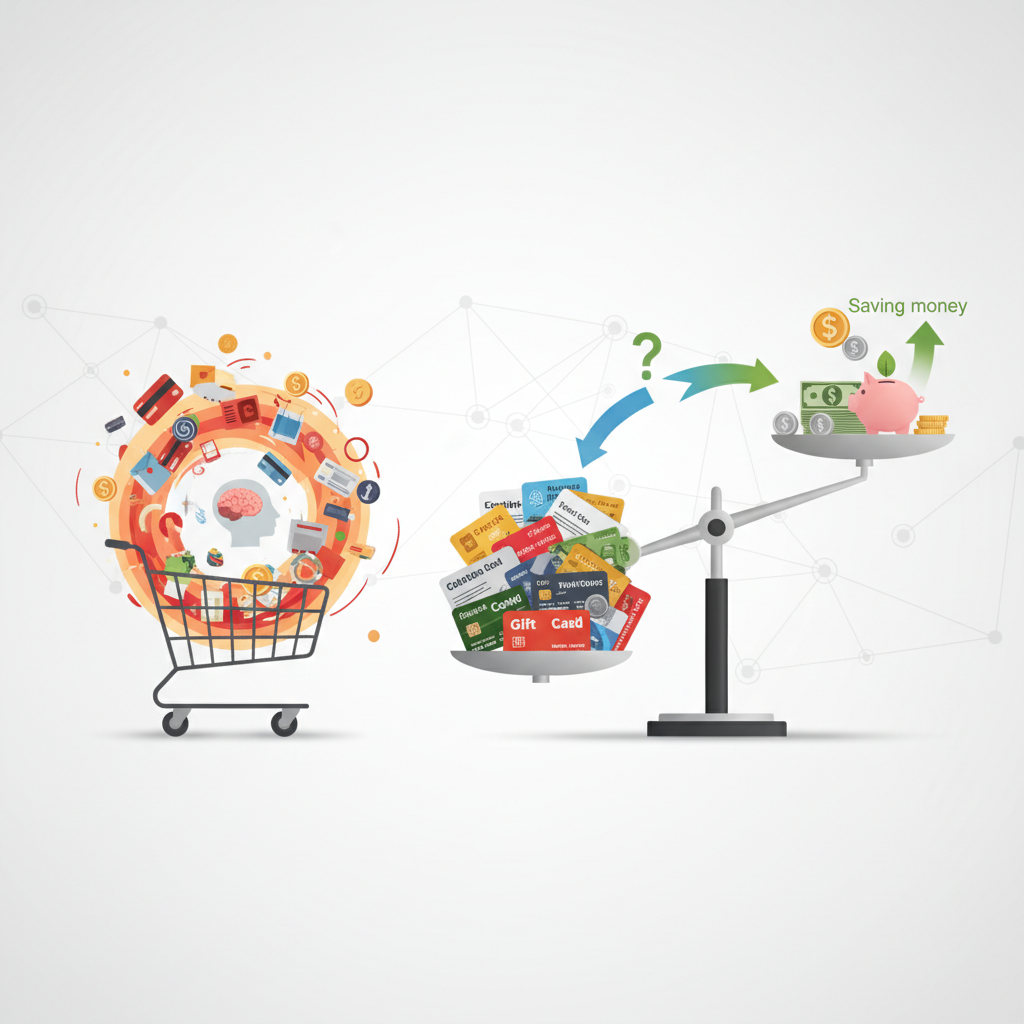
Store loyalty programs have evolved into sophisticated psychological experiments designed to reshape shopping habits. What appears to be a simple rewards system actually employs multiple layers of behavioral triggers to increase both purchase frequency and basket size.
These programs tap into fundamental aspects of human psychology, from the dopamine rush of earning points to the fear of missing exclusive deals. Understanding these mechanisms helps shoppers separate genuine value from marketing manipulation.
How Variable Reward Schedules Keep Shoppers Coming Back?
Loyalty programs mirror the psychology behind slot machines by using variable reward schedules. CVS ExtraCare Bucks and Walgreens Balance Rewards don't always offer the same percentage back, creating an element of surprise that triggers dopamine release. This unpredictability makes the brain crave the next interaction more than consistent rewards would.
Target's Circle program exemplifies this approach by rotating bonus categories weekly. Shoppers never know which products will earn extra points, encouraging frequent app checks and impulse visits. The variable nature creates anticipation that fixed-rate programs simply can't match.
Why Points Systems Feel More Valuable Than Cash Discounts?
Points obscure true value through what psychologists call "payment depreciation." When Sephora offers 100 points instead of $3 off, the points feel more substantial despite being worth less. The higher numbers trigger a psychological bias where bigger numbers automatically seem better, even when the math proves otherwise.
Starbucks perfected this technique by pricing drinks in "stars" rather than dollars. A free drink costs 150 stars, but customers focus on accumulating stars rather than calculating that each star represents roughly 4 cents. This mental separation makes spending feel less real while earning feels more rewarding.
How Status Tiers Create Artificial Urgency and Competition?
Loyalty programs deliberately create artificial hierarchies that tap into competitive instincts. Amazon Prime's invitation-only early access events make members feel special while encouraging additional purchases to maintain status. The fear of losing access drives behavior more powerfully than the benefits themselves.
Hilton Honors and Marriott Bonvoy structure their tiers to keep customers perpetually close to the next level. By requiring activity within specific timeframes, these programs create urgency that wouldn't exist with permanent status levels. Members often make unnecessary purchases to avoid losing progress toward elite benefits.
Which Rewards Programs Actually Deliver Measurable Savings?
Grocery store programs with immediate discounts provide the clearest value proposition. Kroger Plus and Safeway Club instantly reduce prices at checkout without requiring point accumulation or complicated redemption processes. These programs save money immediately rather than encouraging future spending through delayed rewards.
Warehouse club programs like Costco Executive Membership offer straightforward percentage-based rebates on all purchases. The annual rebate check provides transparent value calculation—if the rebate exceeds the membership fee, the program delivered genuine savings. This simplicity prevents psychological manipulation while rewarding loyalty.
How Smart Shoppers Maximize Benefits While Avoiding Spending Traps?
You can extract value from loyalty programs without falling into spending traps by treating them as bonuses rather than purchase motivators. Only join programs at stores where you already shop regularly, and never make purchases solely to earn points or reach tier thresholds.
Track your actual spending patterns for three months before joining new programs, then compare those patterns after enrollment. Many shoppers discover their spending increased by more than their rewards value. Set spending budgets independent of loyalty program incentives, and stick to shopping lists regardless of bonus point opportunities.
Calculate the true cash value of points by dividing total points earned by dollars spent, then compare that percentage to simple cash-back credit cards. Most store programs offer lower effective rates than general-purpose rewards cards, making the store card valuable only for exclusive discounts rather than earning rates.
Retailers continue developing more sophisticated psychological triggers within loyalty programs, from gamification elements to AI-powered personalized offers. The most effective approach remains treating these programs as optional bonuses while maintaining disciplined spending habits based on actual needs rather than rewards optimization.