How Store Loyalty Programs Use Behavioral Psychology to Increase Spending and Which Rewards Actually Save Money
Jennifer Walsh
03/21/2026
5 min read
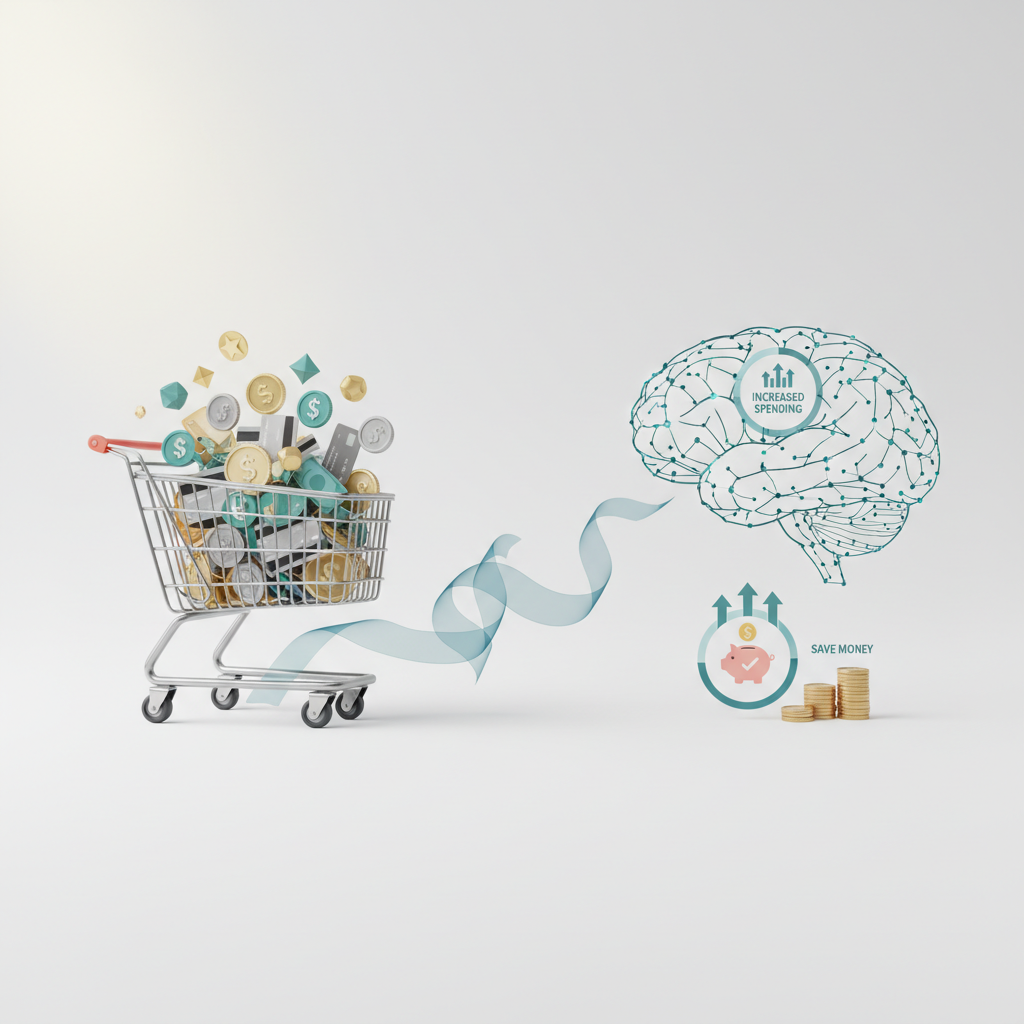
Retail loyalty programs generate trillions in consumer spending annually by exploiting well-documented psychological triggers that make shoppers feel rewarded while actually increasing their purchase frequency and basket size. These sophisticated systems use everything from variable reward schedules to loss aversion tactics, transforming casual shoppers into devoted customers who often spend more than they save.
Most consumers join loyalty programs believing they'll save money, but retailers design these systems primarily to increase customer lifetime value. The average American household belongs to over a dozen loyalty programs, yet studies consistently show that program members spend significantly more per transaction than non-members. Understanding how these programs manipulate shopping behavior helps consumers maximize genuine savings while avoiding psychological traps.
Why Do Loyalty Programs Make People Spend More?
Retailers employ variable ratio reinforcement schedules, the same psychological principle that makes slot machines addictive. Target's Circle program exemplifies this approach by offering unpredictable bonus point opportunities and surprise discounts that create anticipation and encourage frequent store visits. This unpredictability triggers dopamine release in the brain, making the shopping experience feel more rewarding than it actually is.
Loss aversion plays an equally powerful role. Starbucks Rewards members feel compelled to maintain their Gold status, even when it means making unnecessary purchases to reach point thresholds. The fear of losing accumulated benefits or status levels drives irrational spending behavior that far exceeds the actual value of the rewards earned.
How Do Points Systems Create Artificial Value?
Points-based loyalty programs deliberately obscure the real value of rewards by using proprietary currencies that make it difficult to calculate actual savings. CVS ExtraCare Bucks might seem generous at two dollars for every qualifying purchase, but these rewards often expire quickly and can only be used on future purchases, effectively functioning as store credit that locks in customer return visits.
The psychological concept of mental accounting means consumers treat loyalty points differently than cash, often viewing them as "free money" rather than delayed discounts on inflated prices. Retailers exploit this by offering seemingly generous point multipliers during promotional periods while simultaneously raising base prices. The complexity of earning tiers and redemption rules further masks the true cost-benefit analysis that rational spending would require.
Which Loyalty Rewards Deliver Genuine Savings?
Cashback programs with no spending minimums or category restrictions provide the most transparent value. The Costco Executive Membership offers a straightforward two percent annual rebate on purchases, making it easy to calculate whether the membership fee pays for itself. Similarly, Amazon Prime's benefits become cost-effective for households that genuinely use the shipping, streaming, and other services regularly.
Gas station loyalty programs often deliver measurable savings because fuel is a necessary purchase with transparent pricing. Shell Fuel Rewards and similar programs offer immediate per-gallon discounts that are easy to quantify. Grocery store programs can provide real value when they offer member-only pricing on frequently purchased staples, but only if shoppers stick to items they would buy regardless of the discount.
How Do Tiered Status Programs Manipulate Behavior?
Status-based loyalty programs tap into fundamental human desires for recognition and exclusivity. Sephora's Beauty Insider program creates artificial scarcity around higher tiers, encouraging customers to increase spending to maintain VIP status even when the actual benefits don't justify the additional purchases. The psychological satisfaction of achieving "Platinum" or "Diamond" status often outweighs rational financial considerations.
These programs also use progress indicators and milestone messaging to create urgency around reaching the next tier. Airlines perfected this technique with frequent flyer programs that show exactly how many more miles customers need for elite status. The sunk cost fallacy then kicks in, making people reluctant to abandon progress toward a tier even when the pursuit no longer makes economic sense.
What Spending Triggers Should Smart Shoppers Avoid?
Limited-time bonus point offers create artificial urgency that leads to impulse purchases. Best Buy's seasonal point multiplier events might offer triple points on electronics, but the base prices during these promotions often increase to offset the enhanced rewards. Smart shoppers compare total out-of-pocket costs rather than focusing on point earnings when evaluating these deals.
Minimum purchase thresholds for earning rewards encourage basket padding with unnecessary items. When Target offers bonus points for spending over fifty dollars, many customers add low-value items to reach the threshold rather than evaluating whether they actually need additional purchases. The most effective strategy involves planning purchases around natural shopping needs rather than artificial spending requirements.
How Can You Maximize Loyalty Program Benefits?
Start by auditing your current memberships and calculating the actual value you've received versus money spent in the past year. Keep only programs where you shop regularly for necessary items and where the rewards structure aligns with your natural spending patterns. Focus on programs that offer immediate discounts rather than complex point accumulation systems that may never reach redemption thresholds.
Set up separate tracking for loyalty program spending versus regular purchases to avoid the mental accounting trap. Use retailer apps to monitor your progress toward rewards, but resist the urge to make additional purchases solely to reach earning thresholds. The most successful loyalty program users treat the rewards as pleasant bonuses on purchases they would make anyway, rather than allowing the programs to drive their shopping decisions.
Loyalty programs will likely become even more sophisticated as retailers gain access to better consumer data and behavioral analytics. The most financially savvy shoppers will be those who understand these psychological mechanisms and can separate genuine value from clever marketing manipulation designed to increase spending.