How Strategic Hydration Timing Throughout Your Workday Prevents Afternoon Energy Crashes and Boosts Mental Performance
Emily Rodriguez
04/14/2026
4 min read
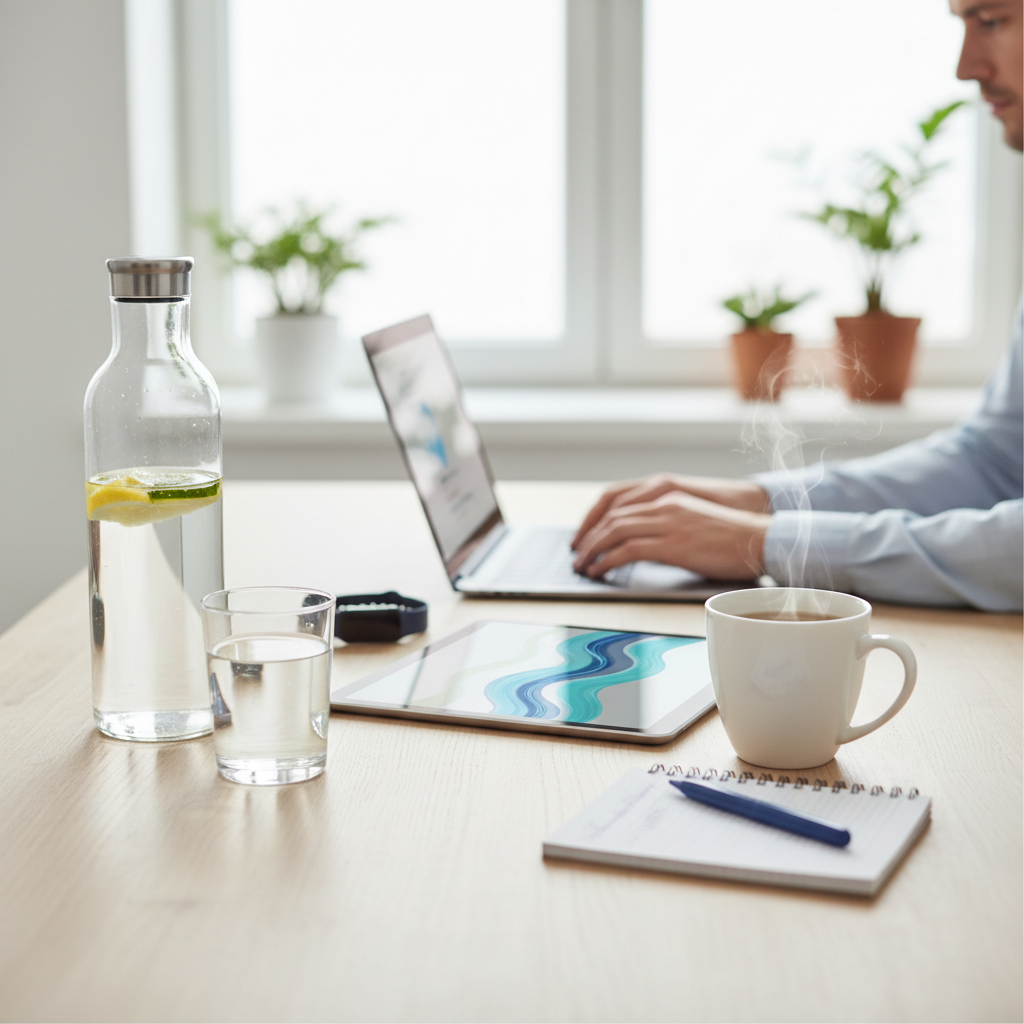
The familiar afternoon slump hits differently when your brain feels foggy, your focus scatters, and simple decisions become overwhelming. While you might blame too much caffeine or a heavy lunch, the culprit often lies in something far more fundamental: how and when you've been hydrating throughout your day.
Your brain tissue consists of roughly 75% water, making adequate hydration essential for optimal cognitive function. Even mild dehydration of just 2% can impair working memory, increase anxiety, and reduce concentration. The timing of your fluid intake matters just as much as the total amount you consume.
Start Your Morning With Strategic Pre-Hydration
Drink 16-20 ounces of water within the first hour of waking, before your first cup of coffee. Your body loses significant water overnight through breathing and perspiration, creating a hydration deficit that coffee or tea alone can't address. This morning water intake kickstarts your metabolism, supports cortisol regulation, and establishes a foundation for sustained energy. Add a pinch of sea salt or a splash of lemon to enhance absorption and provide electrolytes your body needs after the overnight fast.
Time Your Coffee Hydration Strategy Carefully
For every cup of coffee you drink, consume an equal amount of water within the following hour. Caffeine acts as a mild diuretic, and while regular coffee drinkers develop some tolerance, the dehydrating effects can still impact cognitive performance. Rather than drinking coffee and water simultaneously, space them 15-30 minutes apart to optimize absorption of both fluids. This approach prevents the mid-morning energy crash that often follows when caffeine's effects wear off while dehydration sets in.
Establish Hourly Hydration Checkpoints
Set gentle reminders to drink 4-6 ounces of water every hour throughout your workday. This consistent approach prevents the boom-bust cycle of drinking large amounts infrequently, which can overwhelm your kidneys and lead to frequent bathroom breaks that disrupt your workflow. Apps like WaterMinder or simple phone alerts work well for building this habit. Small, frequent sips maintain steady hydration levels and support consistent cognitive performance without creating the urgent need for bathroom breaks that large amounts of water can cause.
Front-Load Hydration Before Your Afternoon Meeting Rush
Drink 12-16 ounces of water between 1:00 and 2:00 PM, before your afternoon schedule intensifies. This timing allows your body to process the fluid and avoid bathroom interruptions during important meetings or focused work periods. The pre-hydration strategy supports your brain function during the natural circadian dip that occurs in mid-afternoon. Many people mistake this biological low point for hunger or caffeine withdrawal, when strategic hydration can provide the mental clarity they're seeking.
Choose Temperature and Additives That Support Absorption
Room temperature water absorbs faster than ice-cold water, which your body must warm before processing. Add natural electrolytes through a small amount of sea salt, coconut water, or sugar-free electrolyte supplements, especially if you're in a heated or air-conditioned environment that increases water loss. Avoid artificial sweeteners that can interfere with hydration at the cellular level. Herbal teas like chamomile or peppermint count toward your hydration goals while providing additional benefits for focus and digestion.
Monitor Your Hydration Status Throughout the Day
Check your urine color as a simple hydration indicator - pale yellow suggests adequate hydration, while dark yellow or amber indicates you need more fluids. Pay attention to early dehydration signs like mild headaches, difficulty concentrating, or irritability before they escalate into full afternoon energy crashes. Your skin's elasticity provides another quick test: pinch the skin on the back of your hand, and it should snap back immediately when properly hydrated.
Taper Evening Intake for Better Sleep Quality
Reduce your water intake to small sips only during the two hours before bedtime to prevent sleep disruptions from nighttime bathroom trips. Your hydration efforts throughout the day should meet your body's needs without requiring large amounts of evening fluid consumption. Poor sleep from frequent wake-ups creates a cycle where you're more dehydrated and cognitively impaired the following day. Focus on consistent daytime hydration rather than trying to catch up in the evening hours.
Track Patterns Between Hydration and Performance
Keep a simple log for one week noting your water intake timing and energy levels throughout each day. Look for patterns between your hydration habits and afternoon energy crashes, mental clarity, and overall productivity. This personal data helps you fine-tune your hydration strategy based on your unique schedule, body size, activity level, and work environment. Companies like Fitbit and Apple offer hydration tracking features that integrate with other health metrics for a comprehensive view.
Building these hydration habits takes consistency rather than perfection. Small adjustments to when and how you drink water throughout your workday can transform those sluggish afternoons into periods of sustained mental clarity and energy. Your brain will respond quickly to improved hydration timing, often within just a few days of implementing these strategies.