How Strategic Hydration Throughout Your Workday Prevents Afternoon Energy Crashes and Sharpens Focus
Emily Rodriguez
04/14/2026
4 min read
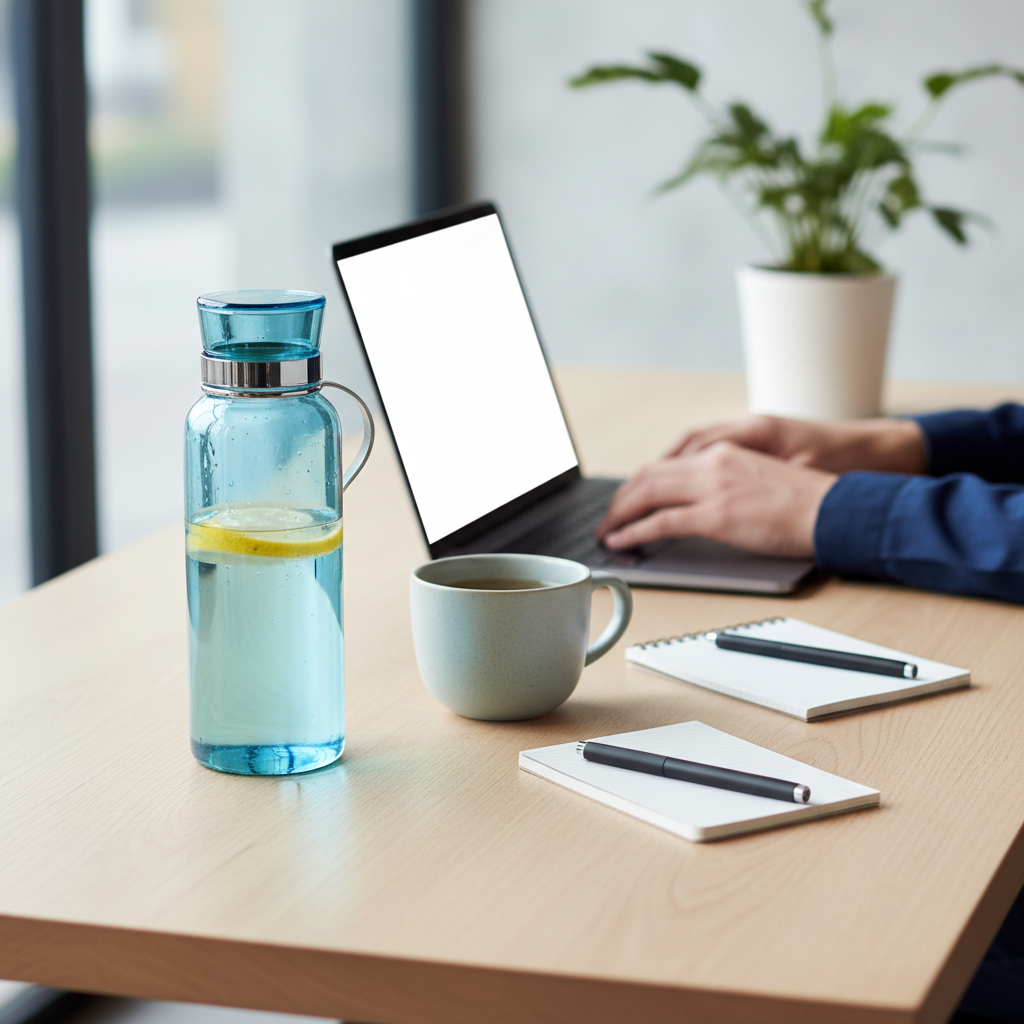
The three o'clock energy crash hits harder when your hydration strategy consists of coffee until noon followed by sporadic water sips. Your brain, which is roughly 75% water, depends on consistent fluid intake to maintain cognitive function, regulate neurotransmitters, and prevent the fatigue that derails productive afternoons.
Most professionals treat hydration as an afterthought, reaching for water only when thirst strikes or grabbing coffee when energy wanes. This reactive approach creates a cycle of dehydration and overstimulation that leaves you mentally foggy by mid-afternoon. Strategic hydration timing transforms your cognitive performance throughout the entire workday.
Begin Each Day with Strategic Pre-Hydration
Drinking 16-20 ounces of water within 30 minutes of waking primes your brain for optimal function before your first meeting. Your body loses significant water through breathing and cellular processes during sleep, leaving you mildly dehydrated each morning. This pre-hydration replaces overnight losses and establishes proper fluid balance before caffeine enters the equation. Adding a pinch of sea salt or electrolyte powder like Liquid IV enhances absorption and prevents the frequent bathroom trips that make some people avoid morning hydration.
Time Your Coffee Intake Around Natural Cortisol Peaks
Consume coffee between 9:30-11:30 AM rather than immediately upon waking to avoid disrupting natural cortisol rhythms while maintaining steady hydration. Your cortisol peaks naturally around 7-8 AM, making early coffee less effective and more likely to create afternoon crashes. Pairing your delayed coffee with 8 ounces of water prevents the dehydrating effects of caffeine while extending its cognitive benefits. This timing strategy works particularly well with brands like Death Wish Coffee or Blue Bottle that offer sustained energy without excessive jitters.
Implement the Two-Hour Hydration Rhythm
Drinking 6-8 ounces of water every two hours maintains consistent cognitive performance without overwhelming your kidneys or disrupting deep work sessions. This schedule aligns with natural attention spans and provides regular mental reset points throughout your day. Set gentle reminders on apps like WaterMinder or simply use your calendar to establish this rhythm. The key lies in consistent small amounts rather than chugging large volumes sporadically, which can actually dilute electrolytes and reduce cognitive function.
Front-Load Your Hydration Before Lunch
Consuming 60% of your daily fluid intake before 2 PM prevents the afternoon energy crash that derails productivity and evening routines. This front-loading strategy ensures optimal brain function during peak work hours while reducing late-day bathroom interruptions that disrupt sleep. Aim for 40-50 ounces by early afternoon, then maintain with smaller sips. Brands like Hydro Flask or YETI keep water at appealing temperatures that encourage consistent intake throughout busy mornings.
Balance Electrolytes During High-Stress Periods
Adding natural electrolytes through coconut water, Himalayan salt, or supplements like LMNT prevents the mental fatigue that occurs when stress hormones deplete sodium and potassium. High-pressure deadlines and intense focus sessions increase mineral losses through stress responses and concentrated breathing patterns. A balanced electrolyte drink mid-morning and another around 2 PM maintains the electrical conductivity your neurons need for sharp thinking. Avoid sports drinks like Gatorade during desk work, as their high sugar content can create energy spikes followed by crashes.
Monitor Urine Color as Your Cognitive Performance Indicator
Pale yellow urine signals optimal hydration for peak brain function, while darker colors indicate dehydration that directly impacts memory, focus, and decision-making abilities. This simple biometric provides immediate feedback about your hydration strategy's effectiveness. Dark yellow or amber colors by mid-morning suggest you need to increase morning intake, while frequent clear urine might indicate overhydration or electrolyte imbalance. Checking this marker before lunch and again around 4 PM helps fine-tune your personal hydration needs.
Create Hydration Anchors Around Existing Habits
Linking water intake to established routines like checking email, joining video calls, or transitioning between tasks builds sustainable hydration habits without requiring additional mental effort. Place a water bottle next to your laptop, drink before opening each new browser tab, or take three sips every time you save a document. These micro-habits accumulate significant fluid intake throughout busy days when remembering to drink feels impossible. Apps like Streaks or simply putting rubber bands on your water bottle can reinforce these behavioral anchors.
Adjust Evening Hydration for Quality Sleep
Tapering fluid intake after 7 PM while ensuring adequate daily totals prevents sleep disruption while maintaining next-day cognitive readiness. Drinking your final substantial amount around dinner time gives your kidneys time to process fluids before bedtime. If you feel thirsty later, small sips of room-temperature water satisfy needs without triggering multiple nighttime wake-ups. This balance ensures you wake naturally hydrated rather than parched, setting up successful hydration patterns for the following workday.
These hydration strategies work best when implemented gradually over 2-3 weeks, allowing your body to adapt while you discover your optimal intake patterns. Your improved afternoon focus and sustained energy levels will make strategic hydration feel as essential as your morning coffee routine.