Why Timing Appliance Purchases Around Model Year Transitions Saves 40%
Jennifer Walsh
02/18/2026
4 min read
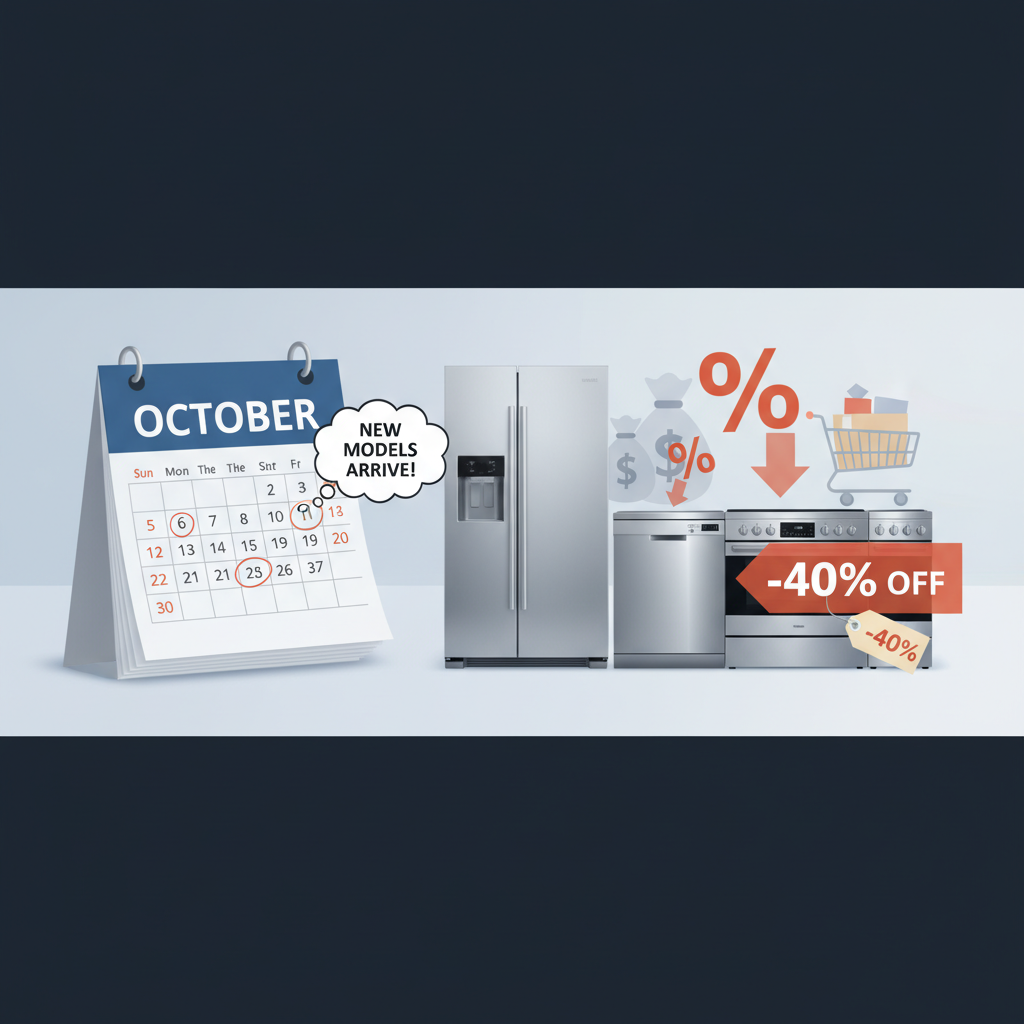
Appliance retailers follow predictable patterns when introducing new models, creating massive savings opportunities for savvy shoppers who understand the timing. Major brands like Whirlpool, Samsung, and KitchenAid typically release updated refrigerators, washers, and dishwashers in late spring, pushing previous year models into clearance territory with discounts reaching 30-50% off original prices.
When Do Appliance Model Years Actually Change?
Most major appliance manufacturers operate on a spring release schedule, unveiling new models between March and June. This timing creates a sweet spot for bargain hunters from late summer through early fall when retailers need to clear showroom space. While electronics follow a fall release pattern, appliances march to their own drumbeat, with brands like Frigidaire and GE announcing updates during spring trade shows before products hit retail floors by summer. Understanding this cycle puts you ahead of shoppers who assume January brings the best deals across all product categories.
How Much Can You Really Save During Transitions?
The savings during model year transitions often exceed those found during Black Friday or other promotional events. Previous year refrigerators regularly drop 35-40% below original retail prices, while washers and dryers see similar reductions when newer versions arrive. Maytag washers that retailed for $1,200 in spring might hit $750 by September, and Samsung refrigerators can drop from $2,500 to $1,500 when floor models need clearing. These aren't minor cosmetic updates either - you're getting the same core functionality with perhaps different exterior finishes or slightly updated control panels.
Which Retailers Offer the Deepest Clearance Discounts?
Home Depot and Lowe's typically offer the most aggressive clearance pricing on appliances during model transitions, often beating specialty appliance stores by 10-15%. These big box retailers have less flexibility with floor space and more pressure to move inventory quickly. Local appliance dealers sometimes match these prices but focus more on package deals when you're buying multiple items. Best Buy has entered the appliance game aggressively and frequently runs transition sales that rival traditional appliance retailers, especially on smart home-enabled models.
What's the Difference Between Old and New Models?
Model year changes in appliances rarely involve revolutionary improvements - most updates focus on aesthetic tweaks, new color options, or minor feature additions. A 2023 dishwasher and 2024 version from the same manufacturer typically share identical motors, pump systems, and core cleaning technology. The newer model might feature updated LED displays, different handle styles, or additional wash cycles, but performance differences remain minimal. This reality makes previous year models exceptional values since you're getting proven reliability without paying for cosmetic updates.
How Should You Research Before Buying?
Start tracking prices 2-3 months before you need to purchase, using tools like Honey or CamelCamelCamel for online retailers and visiting showrooms to note current pricing. Consumer Reports maintains detailed appliance reviews that help identify which features matter versus marketing fluff. Focus on core specifications like capacity, energy efficiency ratings, and warranty coverage rather than getting distracted by bells and whistles. Create price alerts on models you're considering, and don't forget to factor in delivery and installation costs when comparing deals across retailers.
Why Do Floor Models Present Extra Opportunities?
Floor models during transition periods offer double savings opportunities - clearance pricing plus additional discounts for display wear. These appliances have been plugged in and demonstrated but rarely show significant wear beyond fingerprints and minor scratches. Retailers typically reduce floor model prices by an additional 10-20% beyond clearance pricing, and you can often negotiate further since they're eager to clear space. Ask about the warranty coverage, as most manufacturers honor full warranties on floor models despite their display status.
What About Installation and Delivery Timing?
Transition periods often coincide with slower installation schedules, meaning faster delivery and setup for your new appliances. Spring and early summer represent peak moving and renovation seasons, creating scheduling bottlenecks, while late summer and fall offer more flexibility. Many retailers sweeten transition deals with free delivery and installation promotions that aren't available during peak selling seasons. This timing advantage means you're not only saving money but also getting more convenient service scheduling for your purchase.
Model year transitions create a perfect storm of retailer motivation and consumer opportunity in the appliance market. Manufacturers need floor space for new inventory, retailers want to avoid carrying costs on previous models, and you benefit from proven products at significantly reduced prices. The key lies in planning ahead and timing purchases around these predictable cycles rather than waiting for emergency replacements when bargaining power disappears.