How Warehouse Club Memberships Pay for Themselves Through Strategic Bulk Buying
Jennifer Walsh
02/27/2026
4 min read
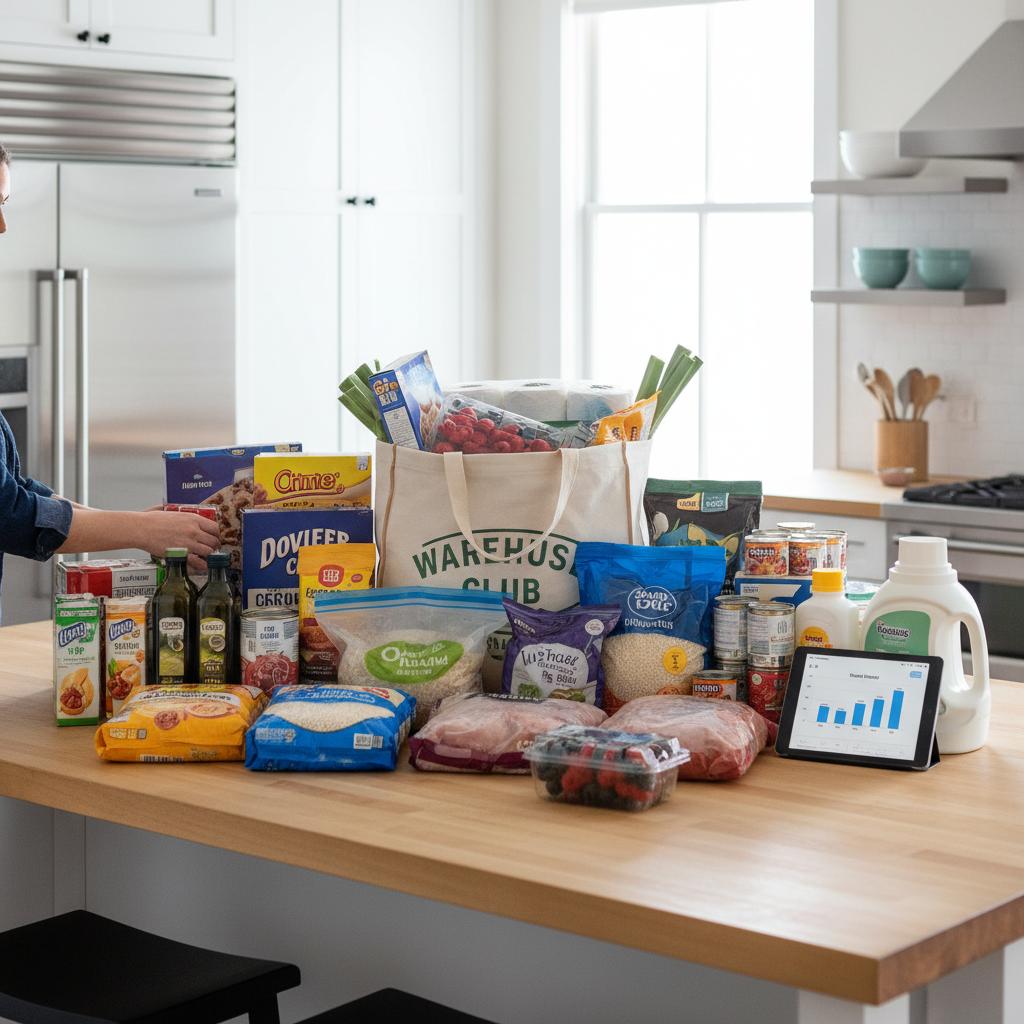
Warehouse clubs like Costco, Sam's Club, and BJ's Wholesale Club charge annual membership fees that typically range from $55 to $120, creating an upfront barrier that deters many shoppers. However, members who understand the strategic approach to bulk buying often recover their membership costs within the first few months while building substantial long-term savings. The key lies in identifying the right products, timing purchases strategically, and leveraging additional member benefits that extend far beyond the warehouse floor.
Focus on Non-Perishables With Long Shelf Lives
The foundation of successful warehouse club shopping centers on non-perishable items that won't spoil before consumption. Household essentials like toilet paper, paper towels, laundry detergent, and cleaning supplies offer the most straightforward path to savings. A 48-roll package of toilet paper at Costco often costs less per unit than a 12-roll package at traditional grocery stores. Similarly, bulk quantities of personal care items like shampoo, toothpaste, and vitamins provide consistent savings over time.
Canned goods, pasta, rice, and frozen foods represent another category where bulk buying shines. These items store well and get used regularly in most households, making the large quantities manageable rather than overwhelming. The unit price advantages on these staples compound over months of regular use.
Calculate Break-Even Points on Perishable Foods
Perishable items require more careful consideration, but they often provide the highest percentage savings for families who can consume them before spoilage. Fresh meat, particularly chicken breasts and ground beef, typically offers significant per-pound savings when purchased in bulk and properly frozen in meal-sized portions. A food vacuum sealer becomes invaluable for extending freezer life and maintaining quality.
Produce purchases work best for larger families or those who meal prep extensively. A three-pound container of spinach makes sense for someone who uses it in daily smoothies, but becomes wasteful for occasional salad makers. The key involves honest assessment of actual consumption patterns rather than optimistic projections about future eating habits.
Leverage Kirkland Signature and Store Brands
Warehouse clubs' private label products often provide the steepest discounts compared to national brands. Kirkland Signature items at Costco frequently match or exceed the quality of name-brand equivalents while offering substantial savings. From olive oil to vitamins to clothing, these store brands undergo rigorous testing and often come from the same manufacturers as premium national brands.
Many Kirkland products carry generous return policies that reduce the risk of trying new items. This approach allows shoppers to experiment with different products while maintaining confidence in their purchases. The combination of lower prices and quality guarantees makes store brands one of the most reliable paths to membership fee recovery.
Time Major Purchases Around Member Benefits
Warehouse clubs extend their value proposition beyond bulk groceries through services and major purchase opportunities. Auto buying programs often negotiate better prices than individual consumers can achieve independently. Tire installation services typically include road hazard warranties and free rotation, adding value beyond the initial purchase price.
Pharmacy services frequently offer competitive prices on prescription medications, particularly for those without comprehensive insurance coverage. Some warehouse clubs also provide optical services, photo processing, and travel booking with member discounts. These ancillary services can justify membership costs even for shoppers who buy groceries elsewhere.
Share Strategic Purchases With Family and Friends
Large package sizes become more manageable when split among multiple households. Coordinating purchases with family members or close friends allows access to bulk pricing without storage challenges or waste concerns. This approach works particularly well for expensive items like high-quality olive oil, specialty condiments, or premium cuts of meat.
Some warehouse clubs allow members to bring guests, creating opportunities for non-members to evaluate potential value before committing to their own memberships. This trial approach helps determine whether shopping patterns align with the warehouse format and whether the membership investment makes financial sense.
The warehouse club model continues evolving with online ordering, curbside pickup, and delivery services that reduce the time investment traditionally required for bulk shopping. These conveniences make membership more accessible to busy families while maintaining the core value proposition of bulk pricing. As grocery costs continue rising, the mathematical advantages of strategic warehouse club shopping become increasingly compelling for households willing to adapt their shopping routines around bulk purchases and storage requirements.