How Booking Amtrak Sleeping Cars During Low-Demand Winter Months Delivers Hotel-Quality Comfort at Coach Prices
Amanda Foster
06/29/2026
5 min read
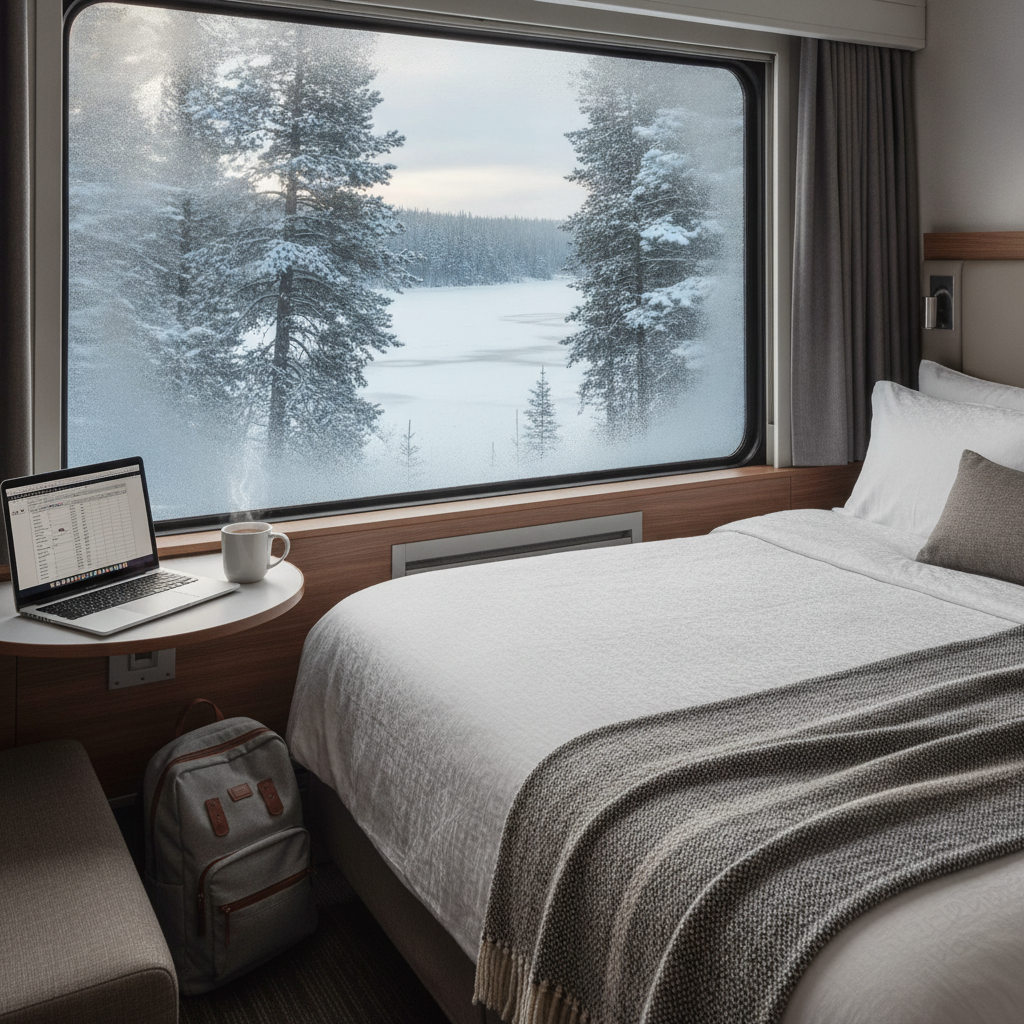
Winter travel has a quiet secret that seasoned rail enthusiasts have long understood: the same Amtrak sleeping car that commands premium prices in July becomes remarkably affordable when January rolls around. Demand drops, prices follow, and suddenly the private roomette with fold-down beds, panoramic windows, and included meals starts looking less like a luxury splurge and more like a genuinely smart way to get somewhere. For travelers willing to think beyond airports and highway rest stops, the winter rail calendar opens up a level of comfort that coach tickets simply can't match — often at comparable or even lower total cost.
Time Your Search Around Amtrak's Demand Valleys
Amtrak's dynamic pricing system works in the traveler's favor during off-peak periods. January through mid-February, along with much of November outside of Thanksgiving week, consistently produce the lowest roomette and bedroom pricing on long-distance routes. The California Zephyr, the Empire Builder, and the Southwest Chief all see meaningful price reductions during these windows. Booking four to six weeks ahead during low-demand months tends to lock in the best available fares, while last-minute searches can occasionally surface unsold inventory at steep discounts as departure dates near.
Compare Room Categories Before Committing
Amtrak's sleeping accommodations aren't one-size-fits-all. The roomette — a compact private space with two seats that convert to upper and lower berths — suits solo travelers and couples comfortable with cozy quarters. The bedroom offers more floor space, a private toilet and shower, and a sofa configuration that works well for families or anyone who simply needs room to move. During winter months, the price gap between roomette and bedroom often narrows considerably compared to peak season, making upgrades more accessible. Reviewing the current room map for a specific train on Amtrak's website before booking helps avoid surprises about layout and location within the car.
Factor In What's Already Included
Sleeping car fares on long-distance Amtrak routes include all meals in the dining car, which changes the value calculation significantly. Breakfast, lunch, and dinner are covered for the duration of travel, served at white-tablecloth tables with actual menus. When comparing the true cost of a sleeping car ticket against flying — where checked bags, airport food, a hotel night, and ground transportation all pile up separately — the rail option frequently comes out ahead, especially on routes spanning two or more days. Routes like the Sunset Limited between New Orleans and Los Angeles illustrate this particularly well, with winter fares that can undercut the combined cost of air travel plus overnight lodging.
Choose Routes That Maximize the Overnight Value
Not every Amtrak route rewards the sleeping car experience equally. The most compelling winter bookings happen on long-distance trains where the overnight portion replaces at least one hotel stay entirely. The Coast Starlight between Seattle and Los Angeles, the Cardinal between Chicago and New York, and the Texas Eagle from Chicago to San Antonio all offer multi-night journey options that essentially convert travel time into rest time. Waking up in a different landscape — say, emerging from the Raton Pass into New Mexico's high desert — is the kind of experience that no amount of airline miles can replicate.
Use the Roomette as a Mobile Base for Day Trips
On routes with convenient stop times, the sleeping car doubles as a home base for short explorations. The California Zephyr makes a daylight stop in Reno that allows a quick walk into downtown before returning for dinner service. Winter schedules on certain routes include longer station holds that reward passengers willing to step off briefly and return. Rather than booking separate accommodations in intermediate cities, some travelers plan loose itineraries around these natural pauses, treating the train itself as the hotel between one- or two-hour excursions. This approach works particularly well for solo travelers who want flexibility without the overhead of managing multiple reservations.
Book Directly Through Amtrak for the Best Rate Protections
Third-party travel booking platforms occasionally list Amtrak sleeping car inventory, but the official Amtrak website remains the most reliable place to book. Pricing is transparent, room selection is more granular, and any schedule changes or cancellation credits get processed more smoothly through a direct booking. The Amtrak Guest Rewards program also accumulates points on direct bookings, which compounds the value over multiple winter trips. Members who reach Select Plus or Select Executive status receive upgrade priority and bonus points that can eventually offset future sleeping car costs — a meaningful perk for anyone who travels by rail more than once or twice a year.
Pack Light to Make the Most of Your Space
Roomettes are genuinely small. Two carry-on bags stored in the upper luggage rack and under the seat leave enough floor space to move comfortably, but a large rolling suitcase turns the experience from pleasant to claustrophobic quickly. Winter travel tends toward heavier clothing, which makes thoughtful packing even more important on rail trips. Compression packing cubes and a soft-sided duffel — rather than a hard-shell rolling bag — translate directly into a more comfortable journey. Checked baggage is available on most long-distance routes for passengers who need to bring more, allowing larger items to travel separately without crowding the roomette.
Watch for Winter Flash Sales on Key Routes
Amtrak periodically runs promotional sales that align conveniently with low-demand winter dates. These sales — often announced through the Amtrak Guest Rewards email list or posted directly on the Amtrak website — can reduce sleeping car fares by meaningful amounts on routes that already carry lower winter pricing. Signing up for Amtrak's promotional emails and checking the deals page in early December and again in early January puts travelers in position to catch these windows before inventory sells. Flash sales rarely last more than a few days, so having a general itinerary in mind before the sale appears makes it easier to book quickly without second-guessing the decision.
The broader trend in long-distance rail travel points toward growing demand, particularly as younger travelers seek lower-carbon alternatives to flying and more immersive travel experiences than airports allow. Amtrak has been investing in new Superliner and Viewliner equipment that will gradually refresh the sleeping car fleet on major routes over the coming years. Winter remains the sweet spot for now — the period when pricing hasn't caught up to the experience on offer. Travelers who establish the habit of looking at rail options alongside flights during low-demand months will find that the gap between comfort and cost narrows in ways that genuinely reward the effort.