How Booking Amtrak Sleeping Cars During Low-Demand Winter Months Delivers Hotel-Quality Comfort at Coach Prices
Amanda Foster
06/29/2026
5 min read
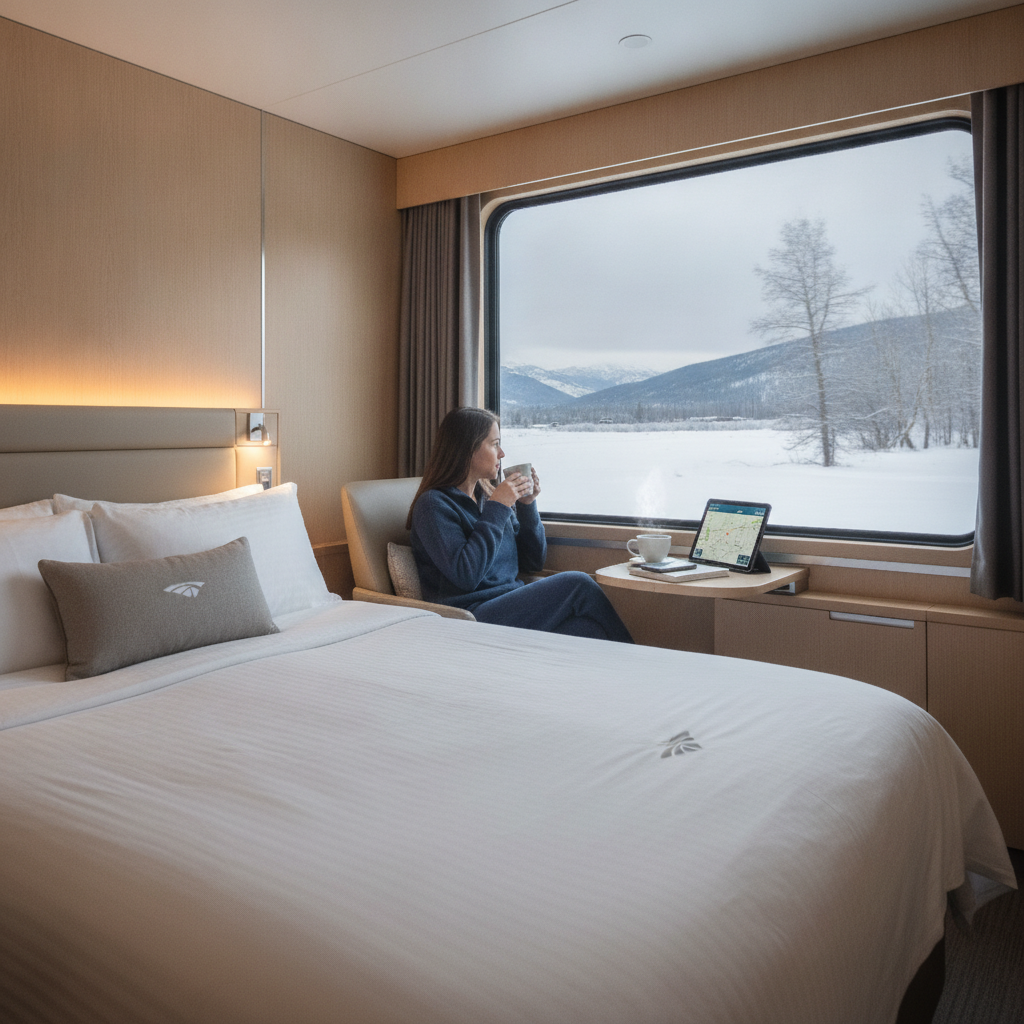
Winter travel carries a reputation for crowded airports, delayed flights, and the particular misery of dragging luggage through icy terminals. But for travelers willing to look beyond the obvious, Amtrak's long-distance sleeping car network offers a genuinely different experience — one that becomes dramatically more accessible once the summer rush fades and demand drops across January, February, and early March.
Sleeping car accommodations on Amtrak routes like the California Zephyr, Empire Builder, and Southwest Chief regularly price at a fraction of their summer rates during the winter low season. What feels like a luxury product — a private room, included meals in the dining car, and a real bed — suddenly becomes financially comparable to a mid-range hotel stay, minus the need to rent a car or pay for separate meals. For anyone who's written off sleeper cars as extravagant, winter is when the math shifts considerably.
Book Roomettes Well Ahead of January
Amtrak's pricing engine works dynamically, adjusting fares based on remaining inventory and booking lead time. The smallest sleeping option, the roomette, converts from two seats into flat sleeping berths and includes meals, linens, and access to shower facilities in the sleeping car section. During winter months, these rooms occasionally appear at rates that rival coach-plus seats on competing airlines. Booking four to six weeks out on routes departing mid-week tends to surface the lowest available fares, since business travel drops and leisure demand hasn't yet spiked toward spring break.
Use the Amtrak App to Track Fare Drops
The Amtrak app and website update fares in near real-time, which means monitoring a route over several days can reveal meaningful swings. There's no formal fare alert system built into the Amtrak platform, but third-party tools and fare-watching communities on Reddit's r/Amtrak forum have developed informal tracking methods. Checking the same route at different times of day — particularly late evening — sometimes surfaces inventory that refreshed after cancellations. Flexibility on exact travel dates, even by a single day, regularly unlocks lower bucket pricing on the same route.
Prioritize Routes with Full Dining Service
Not all Amtrak long-distance routes offer the same onboard experience. Routes operating Superliner equipment — including the California Zephyr between Chicago and San Francisco, and the Coast Starlight running from Los Angeles to Seattle — feature a traditional dining car where sleeping car passengers receive complimentary meals. This inclusion meaningfully changes the value calculation. Three meals per day for two passengers can represent a significant daily cost when traveling independently, and having that absorbed into the room fare makes the total trip cost genuinely competitive with flying plus hotel stays.
Choose Mid-Week Departures for Maximum Availability
Weekend departures on popular routes sell out faster even in winter, partly because leisure travelers cluster around Friday and Sunday travel days. Tuesday, Wednesday, and Thursday departures consistently show better sleeping car availability and lower entry-level fares. Mid-week travel also tends to mean quieter trains overall — fewer passengers in the lounge car, more attentive service from Amtrak staff, and a calmer overall atmosphere that suits the slow-travel mindset that makes long-distance rail appealing in the first place.
Understand What's Included Before Comparing Costs
A fair cost comparison between an Amtrak sleeper and a conventional trip requires accounting for every included component. Sleeping car bookings bundle the private room, all meals in the dining car, non-alcoholic beverages, bedding, and turndown service. When stacked against the combined cost of a flight, airport parking or rideshare, one or two hotel nights at a destination, and restaurant meals, the sleeper fare often represents genuine savings — particularly on routes where the train delivers passengers directly into a city center rather than a distant suburban airport. Chicago's Union Station and Denver's Union Station, both served by multiple Amtrak routes, drop travelers into walkable, transit-connected downtown cores.
Leverage Amtrak Guest Rewards for Off-Peak Bookings
Amtrak's loyalty program, Amtrak Guest Rewards, accumulates points on every booking and can be applied toward future sleeper reservations. Points earned on winter trips — when base fares are lower — can offset costs on higher-demand shoulder-season travel later in the year. The program also partners with several major hotel chains and credit card issuers, allowing members to transfer points from other programs or earn Amtrak points through everyday spending. For frequent rail travelers, stacking a rewards credit card with an Amtrak Guest Rewards number on winter bookings builds toward meaningful redemptions.
Pack for the Private Room Experience
Sleeping car travel rewards a slightly different packing approach than conventional trips. Rooms are compact, typically around seven feet long with limited overhead storage, so rolling carry-on bags that slide under the seat work better than large checked luggage. Noise-canceling headphones improve the experience considerably, since rail noise and corridor activity are audible through roomette walls. A small power strip is useful — roomettes include power outlets but positioning them for simultaneous device charging can be awkward. Bringing a few snacks is optional since dining is included, but a reusable water bottle is practical for staying hydrated between meal service hours.
Consider the Journey as the Destination
The most underappreciated aspect of winter sleeper travel is how the season transforms the scenery. The California Zephyr crosses the Colorado Rockies and Nevada's Basin and Range country in winter light that summer passengers never see — snow-covered peaks, frozen rivers, and long golden-hour shadows that extend through the afternoon. The Empire Builder's route through Montana and the northern Cascades becomes a slow-moving panorama of ice and evergreen. Approaching these routes as the main event rather than merely the means of reaching a destination reframes the entire economics of the trip. The hours on board aren't time spent waiting — they're the experience itself.
Long-distance sleeping car travel is quietly attracting a growing audience of travelers who've grown tired of the airport experience and are rediscovering what rail can offer. As Amtrak continues expanding its fleet and Congress debates infrastructure investment timelines, new equipment and potentially new routes may expand the low-demand window for value-priced sleepers. For now, the winter months remain the most reliable entry point — a recurring opportunity to travel slowly, comfortably, and at a price point that rarely gets the attention it deserves.