How Aromatherapy Essential Oil Timing Throughout Your Day Enhances Focus, Relaxation, and Sleep Quality
Emily Rodriguez
05/07/2026
4 min read
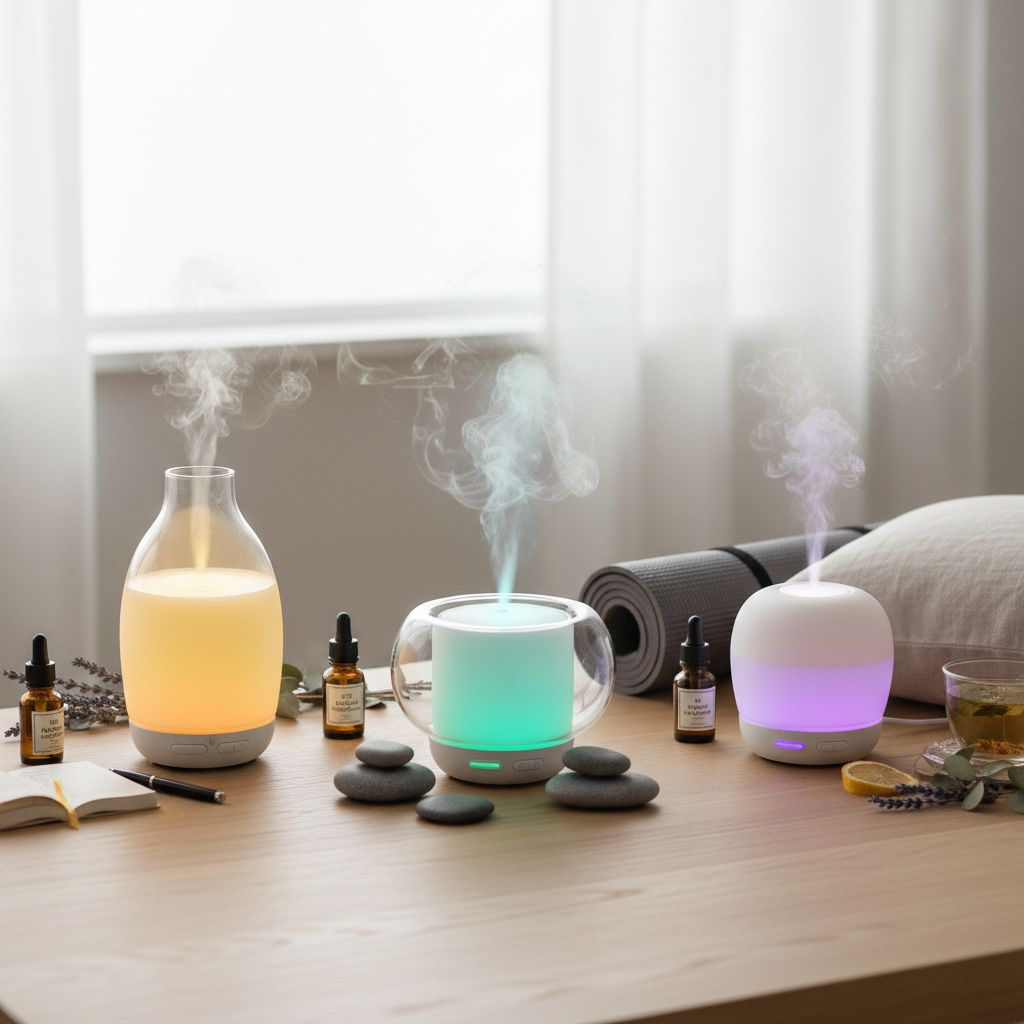
Strategic aromatherapy timing transforms essential oils from pleasant fragrances into powerful tools for cognitive enhancement and circadian rhythm regulation. Research demonstrates that specific scents activate different neural pathways depending on when you encounter them throughout your daily cycle.
Your olfactory system processes aromatic compounds differently based on circadian fluctuations in hormone levels, neurotransmitter production, and brain wave patterns. Understanding these natural rhythms allows you to match essential oil properties with your body's changing needs for optimal mental and physical performance.
Start Your Morning With Energizing Citrus Oils
Lemon, grapefruit, and sweet orange essential oils stimulate cortisol production and enhance alertness when used within the first hour of waking. These citrus scents activate the sympathetic nervous system, increasing heart rate and blood pressure naturally to support your transition from sleep to active consciousness. Add three drops to a diffuser during your morning routine, or apply diluted peppermint oil to pulse points before your commute. Young Living and doTERRA offer high-quality citrus blends specifically formulated for morning energy enhancement.
Use Rosemary and Eucalyptus for Mid-Morning Focus
Rosemary essential oil contains compounds that inhibit the breakdown of acetylcholine, a neurotransmitter crucial for memory formation and sustained attention. Diffusing rosemary between 9 and 11 AM aligns with your brain's natural peak cognitive performance window. Eucalyptus provides complementary benefits by increasing oxygen flow to the brain through its decongestant properties. These oils work synergistically to enhance concentration during demanding mental tasks like financial planning, complex problem-solving, or detailed project work.
Deploy Peppermint for Afternoon Energy Revival
Peppermint oil combats the natural post-lunch energy dip that occurs between 1 and 3 PM due to circadian rhythm fluctuations. The menthol in peppermint stimulates cold receptors in your nasal passages, triggering increased alertness and reducing fatigue perception. Apply diluted peppermint oil to your temples or inhale directly from the bottle for immediate effects. This timing prevents the late-afternoon energy crash that often leads to excessive caffeine consumption or decreased productivity during your final work hours.
Transition to Lavender for Evening Wind-Down
Lavender essential oil contains linalool and linalyl acetate, compounds that reduce cortisol levels and activate the parasympathetic nervous system. Begin diffusing lavender around 7 PM to signal your brain that sleep preparation should commence. This timing allows the calming effects to gradually build as your natural melatonin production increases. Avoid energizing scents after 6 PM, as they can interfere with your body's natural evening hormone shift toward relaxation and recovery.
Create Sleep Sanctuaries With Chamomile and Sandalwood
Chamomile and sandalwood oils promote deep sleep stages when used in your bedroom 30 minutes before lying down. These scents reduce the time needed to fall asleep and increase slow-wave sleep duration, which is crucial for physical recovery and memory consolidation. Apply diluted oils to your pillowcase or use an ultrasonic diffuser with an automatic shut-off timer. Plant Therapy and Mountain Rose Herbs offer pure chamomile and sandalwood oils without synthetic additives that might disrupt sleep quality.
Balance Stress Response With Bergamot During High-Pressure Periods
Bergamot essential oil uniquely combines energizing and calming properties, making it ideal for managing stress without sedation. Use bergamot during challenging work periods or before important meetings to maintain mental clarity while reducing anxiety-induced cortisol spikes. The oil's natural compounds regulate both dopamine and serotonin levels, supporting emotional balance during demanding situations. This dual action prevents the mental fatigue that often follows intense stress responses.
Time Frankincense for Deep Meditation and Recovery
Frankincense oil enhances meditation effectiveness and promotes cellular recovery when used during evening relaxation practices. Its sesquiterpenes cross the blood-brain barrier and influence the limbic system, supporting emotional processing and spiritual practices. Diffuse frankincense during yoga, journaling, or other reflective activities between 8 and 10 PM. This timing aligns with your body's natural shift toward introspection and repair processes that occur during the pre-sleep period.
Rotate Oils Weekly to Prevent Olfactory Adaptation
Your olfactory receptors adapt to familiar scents within five to seven days of regular exposure, reducing their effectiveness. Create weekly rotation schedules using different oils with similar properties to maintain therapeutic benefits. Alternate between lavender and chamomile for sleep support, or switch between lemon and grapefruit for morning energy. This rotation strategy prevents tolerance buildup while introducing subtle variety to your aromatherapy practice.
Aromatherapy timing research continues expanding as scientists better understand the intricate connections between scent, circadian rhythms, and neurological function. Future developments may include personalized scent scheduling based on individual genetic factors and lifestyle patterns, making aromatherapy an even more precise tool for optimizing daily performance and well-being.