How Aromatherapy Essential Oil Timing Throughout Your Day Enhances Focus, Relaxation, and Sleep Quality
Emily Rodriguez
05/07/2026
4 min read
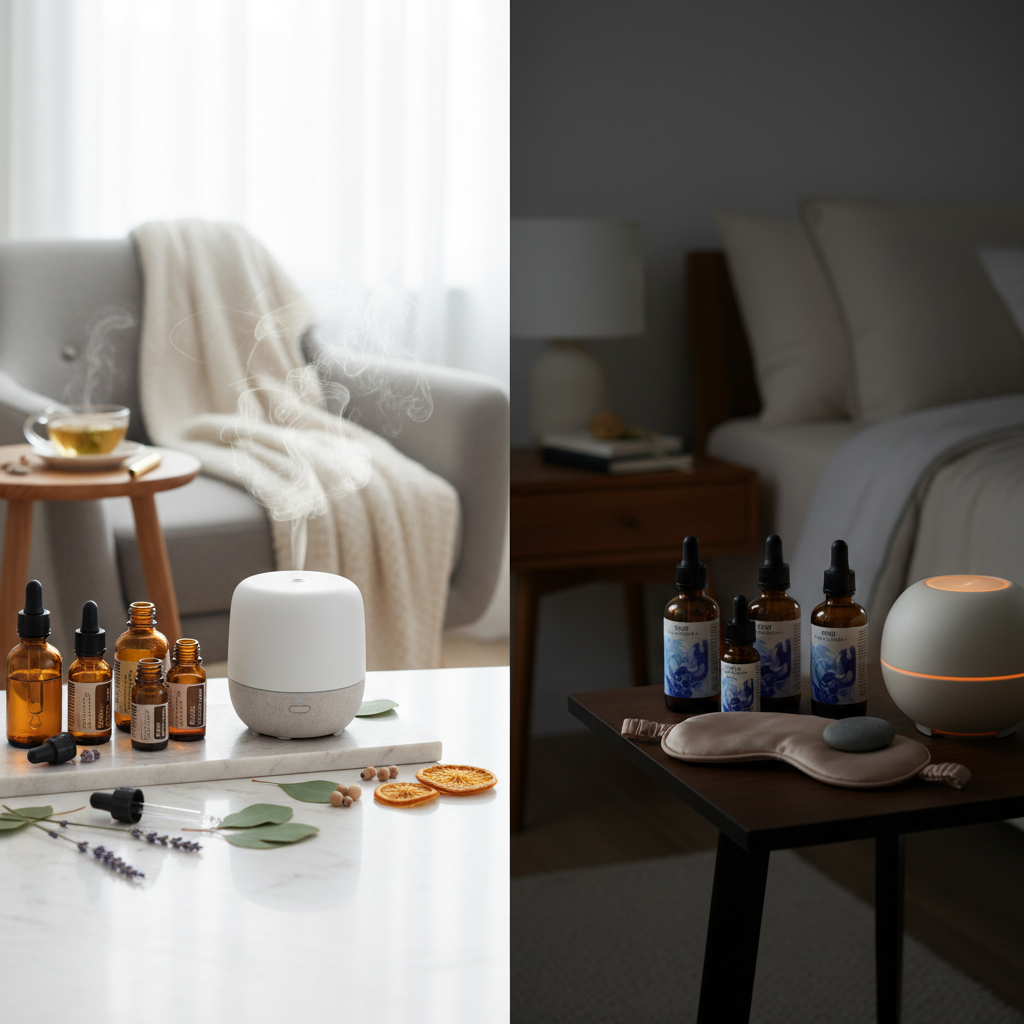
Strategic aromatherapy timing transforms essential oils from pleasant scents into powerful tools for managing your daily energy patterns and mental states. The therapeutic compounds in essential oils interact with your nervous system differently depending on when you use them, creating opportunities to naturally boost morning alertness, sustain afternoon focus, encourage evening relaxation, and promote deeper sleep.
Your circadian rhythm responds to aromatic cues just as it does to light exposure and temperature changes. When you align specific essential oil blends with your body's natural daily fluctuations, you create a supportive environment that works with rather than against your biological processes. This approach requires understanding both the unique properties of different oils and the optimal timing for each therapeutic effect.
Use Energizing Citrus Oils During Morning Hours
Lemon, orange, and grapefruit essential oils contain limonene compounds that naturally stimulate alertness and mental clarity. Diffusing these oils between 6:00 and 9:00 AM works with your body's natural cortisol awakening response to enhance morning energy without the crash associated with caffeine. Place a few drops of sweet orange oil on a cotton ball near your workspace, or add lemon oil to your morning shower routine by placing drops on the shower floor. The combination of citrus aromatherapy with natural morning light exposure creates a powerful foundation for sustained daily energy.
Apply Peppermint and Rosemary for Mid-Morning Focus
The 10:00 AM to noon window represents peak cognitive performance for most people, making it ideal for concentration-enhancing essential oils. Peppermint oil contains menthol that increases oxygen flow to the brain, while rosemary oil provides compounds that support memory formation and mental clarity. Young Living and doTERRA offer high-quality versions of these oils that work well for topical application when diluted with carrier oils. Apply diluted peppermint oil to your temples or diffuse rosemary oil in your workspace to support sustained attention during demanding mental tasks.
Choose Lavender for Late Afternoon Stress Relief
The 3:00 PM to 5:00 PM period often brings increased stress hormones and decision fatigue, creating an ideal window for calming aromatherapy intervention. Lavender oil contains linalool and linalyl acetate compounds that activate your parasympathetic nervous system, countering afternoon stress accumulation. A small personal diffuser with lavender oil at your desk, or a few drops applied to your wrists, helps transition your nervous system from the demands of the workday toward evening relaxation. This timing prevents stress hormones from building to levels that might interfere with evening wind-down routines.
Blend Bergamot and Ylang-Ylang for Evening Transition
The 6:00 PM to 8:00 PM timeframe requires oils that bridge the gap between daytime alertness and nighttime rest. Bergamot oil provides both uplifting and calming properties, while ylang-ylang oil helps regulate heart rate and blood pressure. These oils work together to maintain pleasant mood and social energy for evening activities while beginning the gradual shift toward relaxation. Eden Botanicals and Plant Therapy offer pure versions of these oils that blend well together. Diffuse this combination during dinner preparation or family time to create a peaceful transition into your evening routine.
Incorporate Chamomile and Sandalwood Before Bedtime
The hour before bedtime, typically 9:00 PM to 10:00 PM, benefits from deeply calming essential oils that promote sleep onset. Roman chamomile contains esters that reduce nervous system activity, while sandalwood oil provides grounding woody notes that encourage mental stillness. Apply diluted chamomile oil to your neck and shoulders, or diffuse sandalwood oil in your bedroom thirty minutes before lying down. These oils work synergistically with other sleep hygiene practices like dimmed lighting and reduced screen time to signal your body that rest is approaching.
Create Consistency Through Daily Aromatherapy Routines
Repeating the same essential oil applications at consistent times trains your nervous system to anticipate and respond more effectively to aromatic cues. Your olfactory system forms strong associations between specific scents and desired mental states, making routine timing more powerful than sporadic use. Keep small bottles of your chosen oils in strategic locations: citrus oils near your morning coffee setup, focus blends at your workspace, and calming oils in your bedroom. This placement makes it easier to maintain consistent timing even during busy periods when self-care routines often get overlooked.
Monitor Your Response and Adjust Timing
Individual responses to essential oils vary based on genetics, stress levels, and daily schedules, making personal experimentation essential for optimal results. Track how different oils affect your energy and mood at various times, noting any patterns that emerge over several weeks of consistent use. Some people respond better to energizing oils slightly later in the morning, while others need calming interventions earlier in the afternoon. Pay attention to seasonal changes as well, since your aromatherapy needs may shift with daylight patterns and stress levels throughout the year.
The growing integration of aromatherapy with wellness technology opens new possibilities for precisely timed essential oil delivery. Smart diffusers that activate automatically based on your schedule, combined with better understanding of how aromatic compounds interact with circadian biology, will likely make therapeutic timing even more effective and convenient in the years ahead.